Amarbel (Dodder)
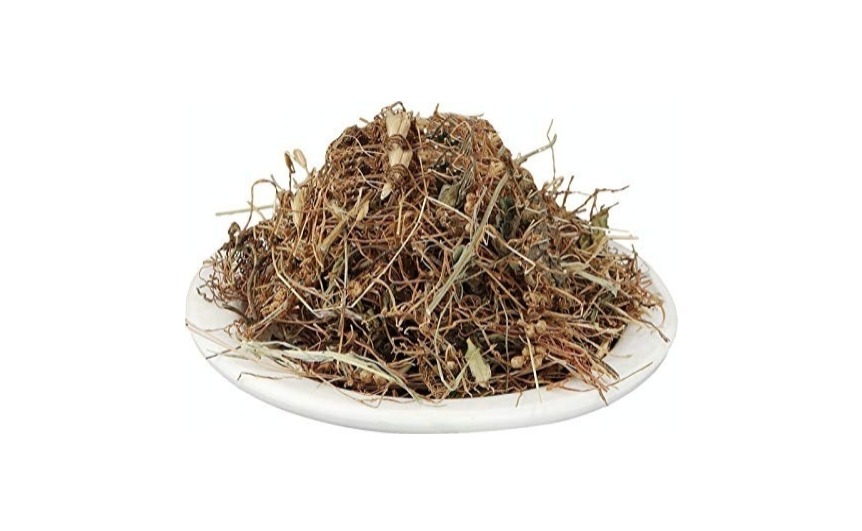
Amarbel (Dodder)
Cuscuta reflexa Roxb.
Bulk Amarbel (Cuscuta reflexa) whole-plant material in dried and powder grades for Ayurvedic and hair-care manufacturers sourcing from India.
- Botanical nameCuscuta reflexa Roxb.
- Part usedWhole plant (leafless, rootless parasitic stem)
- FamilyConvolvulaceae (Cuscutaceae)
- Also known asAkashbel, Akashvalli, Nirmula, Amarlata, Swarnalata
- Certificate of Analysis
- Samples available
- Export documents handled
Amarbel is the whole dried plant of Cuscuta reflexa, an unusual leafless and rootless climbing parasite that grows entirely on a host tree or shrub. It is traded in Ayurvedic commerce under the Sanskrit names Akashbel and Nirmula.
Botanical identity and part used
Amarbel belongs to the Convolvulaceae family and lacks true roots and leaves. The plant survives by attaching thread-like yellow to orange stems to a host plant through a specialised structure called a haustorium, drawing water and nutrients directly from it.
Because the plant has no distinct root or leaf, the entire visible stem mass is the material that enters trade, collected and dried as whole plant.
Where it grows and how it is collected
Cuscuta reflexa occurs widely across the Indian plains and Himalayan foothills, twining over a broad range of host shrubs and trees including Ficus, Alstonia and various hedge plants. It is collected almost entirely from wild growth rather than field-cultivated.
Because Amarbel takes up compounds from its host, its phytochemical profile can shift depending on which plant it has parasitised. Buyers working to a tight specification should ask about host-plant information for the lot being supplied.
Harvest and processing
Mature stem growth is cut from the host plant once it has formed a dense, well-established mat, then sun-dried to a stable moisture level. Dried material is cleaned of host-plant fragments, insect matter and dust before bagging.
A portion of cleaned, dried Amarbel is milled to powder for buyers who require a finer particle size for capsule filling or hair-oil infusion.
Why buyers source it
Amarbel's reported constituents include cuscutin, cuscutalin, bergenin, kaempferol, amarbelin and assorted sterol glycosides, though the material is generally traded and used as whole-plant material rather than to a standardised marker-compound assay.
Ayurveda describes Amarbel as Keshya, meaning hair-strengthening, and as Balya and Hridya, and this traditional keshya positioning is the single largest driver of current commercial demand.
Sourcing considerations for buyers
Because Amarbel is wild-collected rather than field-grown, lot-to-lot consistency depends heavily on the collector's care in avoiding host-plant contamination and drying the material promptly after cutting. Material left damp for too long after harvest tends to darken and lose the fresh yellow-orange colour buyers associate with good quality.
Forms that trade
AV Biotech supplies Amarbel as whole dried plant, cut plant material and milled powder. Lots are sourced with basic host-plant and collection-region information recorded at intake.
Industry applications of Amarbel
Amarbel moves mainly into Ayurvedic formulation and hair-care manufacturing, with smaller volumes into liver-support and general wellness products.
Hair-care formulation
Amarbel's traditional Keshya, or hair-strengthening, classification makes it a common ingredient in herbal hair oils, hair tonics and scalp-care powders, frequently blended with Bhringraj, Amla and Brahmi. Formulators here specify colour, cleanliness and freedom from host-plant fragments over a specific assay.
Ayurvedic and pharmaceutical manufacturing
Classical units use whole-plant Amarbel in decoctions, churna and taila formulations positioned around digestive comfort, mild bilious complaints and general strengthening, consistent with its traditional folk use for liver-related discomfort.
Nutraceutical and wellness brands
Some supplement makers include Amarbel extract in polyherbal liver-support and general-wellness blends, generally citing its long folk-medicine record rather than a standalone clinical claim.
Export and research-driven demand
Interest in Cuscuta species extends beyond India, with researchers and formulators in China, Bangladesh and Thailand studying related Cuscuta species for similar liver, hair and antioxidant applications. This shared regional interest has kept a small but steady export demand for well-documented Indian material.
Veterinary and folk use
Amarbel decoction has folk use in veterinary settings for digestive and liver-related complaints in livestock, typically prepared fresh rather than as a manufactured product.
Quality pitfalls buyers should check for
Because Amarbel has no leaves or roots of its own, buyers should check specifically for host-plant fragments, bark bits and other twining-vine look-alikes mixed into a wild-collected lot. A visual sort against a reference sample before bulk purchase is the most reliable screen available in current trade practice.
Colour is a useful proxy for freshness: well-dried, recently collected material keeps a yellow to orange tone, while old or poorly stored stock turns a dull brown. Buyers moving meaningful volume should ask for a pre-shipment sample rather than relying on a written description alone.
Common product formats
- Herbal hair oils, tonics and scalp powders
- Ayurvedic churna and decoction formulations
- Polyherbal liver-support and wellness capsules
- Classical taila (oil) preparations
Traditional use and current research
Amarbel is described in Ayurveda as Balya (strength-giving), Keshya (hair-strengthening), Vranaropana (wound-healing supportive) and Hridya (cardiotonic in traditional classification). It also carries a long folk-medicine record for liver-related complaints across South Asia.
The points below describe traditional positioning and published research directions, not established medical outcomes.
Hair and scalp traditional use
Amarbel's Keshya classification underlies its long-standing inclusion in traditional hair oils and scalp treatments, generally as part of a multi-herb blend rather than a standalone treatment.
Liver and digestive folk use
Traditional and folk sources describe Amarbel stem decoctions used for liver complaints, bilious affections, constipation and flatulence. Laboratory studies on related Cuscuta species have reported hepatoprotective activity in animal models, an early research finding rather than a clinical outcome.
Antioxidant and metabolic research interest
Published reviews describe antioxidant, antidiabetic and antihypertensive activity reported in laboratory studies of Cuscuta reflexa extracts. These findings support further research and do not establish a therapeutic claim for a finished product.
Wound-healing and skin-related traditional use
Amarbel is described in Ayurveda under the Vranaropana category, referring to traditional use in supporting the healing of minor wounds, generally applied as a paste. This traditional application is distinct from its more commonly cited hair-care and digestive uses, and it is generally applied rather than taken internally.
What buyers should note on claims
Because Amarbel is a parasitic plant that draws compounds from its host, batch-to-batch variability can be more pronounced than for a field-cultivated herb. Formulators building a claim on published research should confirm the extract and preparation method match the cited study as closely as possible, and should treat single-study findings as preliminary rather than conclusive evidence.
This information is provided for educational and B2B product-sourcing purposes only. It is not medical advice and these statements have not been evaluated by any regulatory authority. Finished-product claims are the responsibility of the manufacturer.
| Botanical name | Cuscuta reflexa Roxb., Fam. Convolvulaceae |
|---|---|
| Part used | Whole plant (leafless, rootless parasitic stem) |
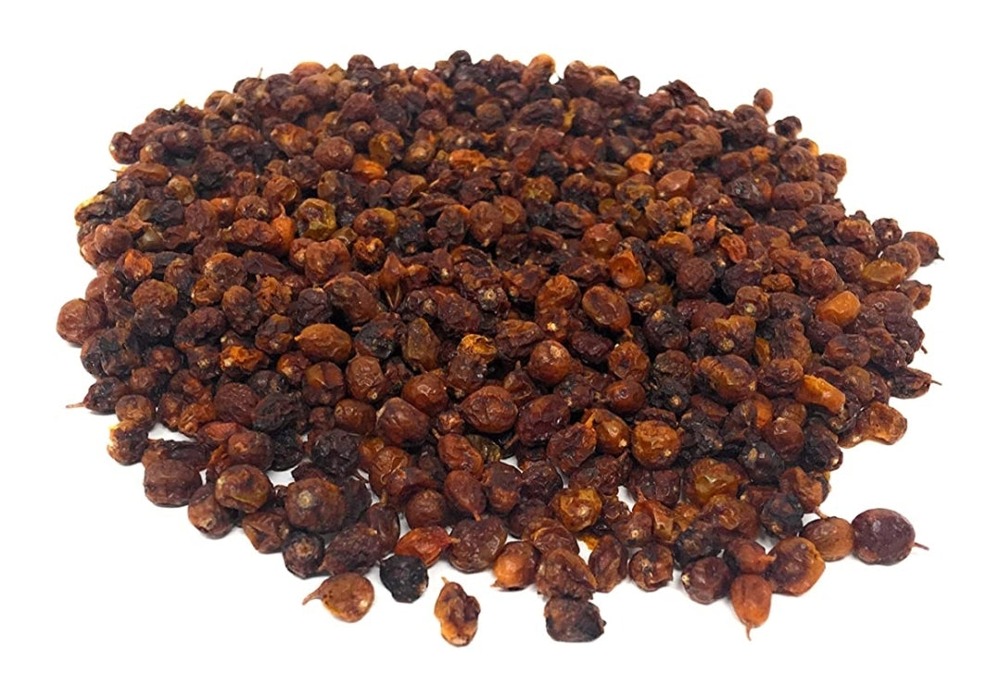
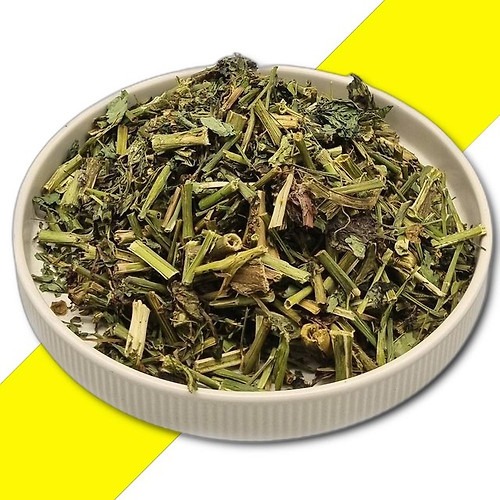
| Appearance | Thread-like, tangled stems, yellow to orange when fresh, drying to a duller tan-brown; powder light brown |
| Active constituents | Cuscutin, cuscutalin, bergenin, kaempferol, amarbelin and sterol glycosides; profile can vary with host plant, traded and used as whole-plant material rather than to a fixed marker-compound assay |
| Moisture | Not more than 10 per cent (typical trade limit) |
| Total ash | Not more than 10 per cent (typical trade limit) |
| Acid-insoluble ash | Not more than 2 per cent (typical trade limit) |
| Foreign matter | Not more than 2 per cent; free of host-plant leaf, bark and woody fragments |
| Particle size | Whole and cut plant standard; powder milled to 40 to 60 mesh on request |
| Pesticide/heavy-metal/microbial testing | Tested against AYUSH heavy-metal limits on request; microbial testing available for cosmetic and hair-care-grade orders |
| Packing | 25 kg HDPE or PP laminated bags with food-grade LDPE inner liner |
| Shelf life | 18 months for whole plant, 12 months for powder, in sealed original packing stored in a dry place |
| Note | All values are typical or indicative. Actual lot values vary with origin, host plant and season, and are confirmed on the batch Certificate of Analysis |
Values are typical and indicative. A lot-specific Certificate of Analysis is shared before dispatch.
What is your minimum order quantity for Amarbel?
100 kg for powder and 250 kg for whole or cut plant material. For trial and formulation work we supply 1 to 2 kg paid samples, adjusted against your first commercial order.
Can you tell me which host plant the Amarbel was collected from?
We record basic host-plant and collection-region information at intake for each lot and share this on request, since Amarbel's phytochemical profile can shift depending on the host it parasitised.
What documentation comes with an export shipment?
Every lot ships with a batch Certificate of Analysis covering moisture, ash values and foreign matter. Export consignments also carry a phytosanitary certificate, Certificate of Origin, packing list and commercial invoice.
Can you customise particle size or packing?
Yes. We supply whole and cut plant material as standard and mill to 40 or 60 mesh powder on request. Packing can be adjusted to 25 kg bags or your own private-label sacks.
What is the typical lead time?
10 to 15 working days for stock grades from Jaipur. Because Amarbel is wild-collected, larger contracted volumes are best confirmed against current collection availability before finalising an order.
Enquire about Amarbel (Dodder)
No payment is taken here — this reaches our sourcing team directly.
Related products