Bakuchi (Babchi)
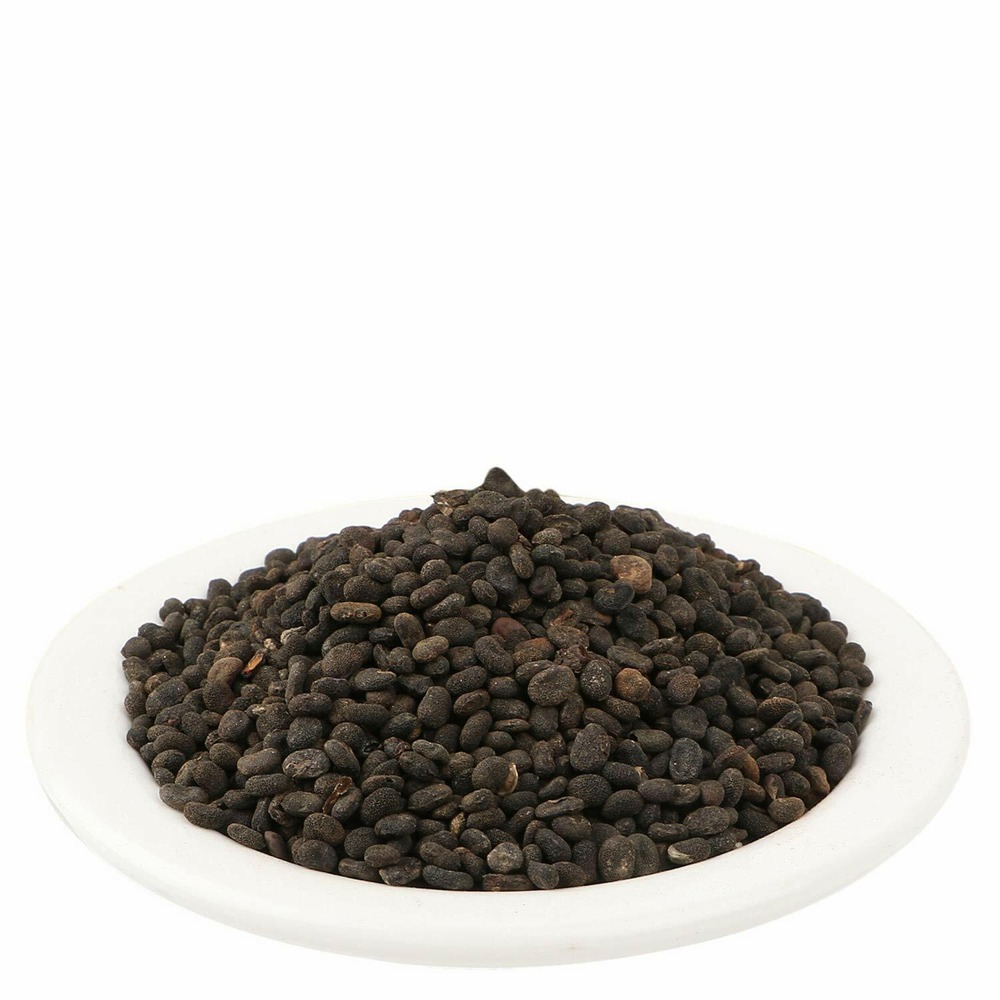
Bakuchi (Babchi)
Psoralea corylifolia L. (syn. Cullen corylifolium (L.) Medik.)
Bulk Bakuchi seed (Psoralea corylifolia) for Ayurvedic and cosmetic-extract manufacturers, supplied with the hepatotoxicity caution buyers need before formulating.
- Botanical namePsoralea corylifolia L. (syn. Cullen corylifolium (L.) Medik.)
- Part usedSeed (Fructus Psoraleae)
- FamilyFabaceae
- Also known asBabchi, Bawachi, Kushtanashini, Somaraji, Buguzhi (in Chinese trade)
- Certificate of Analysis
- Samples available
- Export documents handled
Bakuchi, also called Babchi, is the dried seed of Psoralea corylifolia, a Fabaceae herb long used in Ayurvedic and Unani formulations for skin conditions. In recent years the seed has also become the feedstock for cosmetic bakuchiol, marketed as a plant-based alternative to retinol.
Botanical identity and part used
Psoralea corylifolia is an upright annual herb, now also classified under the genus Cullen in some botanical treatments, that grows 60 to 120 cm tall and bears small kidney-shaped pods each containing a single seed. The seed, known in the trade as Fructus Psoraleae or Bakuchi beej, is the officinal part used across Ayurveda, Unani and Traditional Chinese Medicine, where it is called Buguzhi.
Where it grows in India
The plant is cultivated on a limited scale and also collected from naturalised stands in Gujarat, Rajasthan and Madhya Pradesh, with Rajasthan generally producing the better-quality seed. It is not grown as an organised, large-acreage commercial crop anywhere in India, which keeps supply comparatively fragmented.
Harvest and processing
Seed is sown in March and April, the plant flowers during the monsoon, and pods mature from November onward, turning a characteristic purple. Because pods do not ripen uniformly, harvesting is typically carried out in several rounds between December and March rather than as a single cut.
Harvested pods are threshed to release the seed, which is then sun dried and cleaned before grading and packing.
Why buyers source it
The seed's principal marker compounds are the furanocoumarins psoralen and isopsoralen (angelicin), alongside bakuchiol, psoralidin, bavachinin and related flavonoids, and these are the compounds assayed by HPLC for identity and potency. Cosmetic buyers extract bakuchiol specifically for topical anti-ageing formulations, while Ayurvedic and Unani manufacturers use the whole seed or seed powder.
An important safety note for buyers
Published toxicology literature, including case reports of acute liver injury and cholestatic hepatitis linked to oral use of Psoralea corylifolia seed and its extracts, has drawn regulatory and pharmacovigilance attention in several markets. Bakuchiol, bavachin, psoralidin and related seed constituents are named in this literature as the compounds most associated with hepatotoxic effects.
This concern applies to oral ingestion of seed material and seed extracts. Topically applied cosmetic bakuchiol is assessed separately as a skin ingredient and is not automatically subject to the same finding, but any buyer formulating an oral product should review current safety literature and their target market's regulatory position before finalising a product.
Forms that trade
AV Biotech supplies Bakuchi as whole cleaned seed and milled seed powder. Buyers extracting bakuchiol should confirm required purity and extraction specifications at enquiry stage, since this is a contract-manufactured extract rather than a standard stock item.
Industry applications of Bakuchi
Bakuchi serves three distinct buyer groups, Ayurvedic and Unani manufacturers, cosmetic extract houses, and export buyers supplying the Traditional Chinese Medicine trade, and each has a different risk and specification profile to manage.
Ayurvedic and Unani manufacturing
Classical manufacturers buy whole seed and seed powder for churna, taila and lepa formulations traditionally used for skin conditions including vitiligo-type depigmentation and psoriasis-type skin conditions. These are topical and traditional oral dosage forms governed by the manufacturer's own licensed processing and dosing protocols.
Cosmetic and personal care
The largest area of modern growth is bakuchiol extraction for topical anti-ageing serums and creams, where it is positioned as a plant-derived alternative to retinol. Buyers in this segment need a defined bakuchiol purity specification and should note that this is a topical, not oral, application.
Export and Traditional Chinese Medicine trade
Bakuchi seed, known as Buguzhi, is an established item in Chinese and other East Asian herbal pharmacopoeias, and export buyers in this channel typically specify furanocoumarin (psoralen and isopsoralen) content on the Certificate of Analysis.
Extract and standardisation buyers
A smaller group of formulators buy seed as feedstock for standardised extracts used in dermatology-adjacent and pigmentation-focused product lines, again generally for topical rather than oral use.
Segments where extra caution applies
Oral nutraceutical and dietary-supplement use of whole seed extract carries the hepatotoxicity caution described above, and buyers considering this category should review current safety literature and their destination market's regulatory stance before formulating.
Common product formats
- Bakuchi churna, taila and lepa classical Ayurvedic formulations
- Bakuchiol-standardised cosmetic extracts for anti-ageing serums and creams
- Whole and powdered seed for Traditional Chinese Medicine export
- Pigmentation-focused topical dermatology-adjacent formulations
Traditional use and current research
Ayurveda classifies Bakuchi under Kushtaghna, meaning herbs traditionally used for skin conditions, and it has a long classical history of topical and traditional oral use for depigmentation-type skin conditions and other dermatological complaints. It is also used traditionally in Unani medicine.
The following notes describe traditional positioning and current research directions, alongside the safety findings buyers must weigh, not established medical outcomes.
Traditional skin use
Bakuchi's traditional reputation rests almost entirely on external and traditional oral use for skin depigmentation and other dermatological conditions, generally combined with other herbs and administered under a defined classical protocol rather than used alone at high dose.
Bakuchiol and cosmetic research
Bakuchiol, one of the seed's principal constituents, has been studied as a topical antioxidant and anti-ageing ingredient, and published research has explored its comparability to retinol on certain skin measures. This research is specific to topical application at cosmetic-use concentrations.
The hepatotoxicity finding buyers must know
Multiple published studies and case reports describe liver injury, including acute liver failure and cholestatic hepatitis, associated with oral use of Psoralea corylifolia seed, seed powder and seed extracts. Bakuchiol, bavachin, psoralidin, bavachinin and neobavaisoflavone are named across this literature as the constituents most strongly linked to hepatotoxic effects in laboratory and clinical case findings.
This is a plainly documented safety signal, not a traditional-use caution alone, and it has drawn pharmacovigilance and regulatory attention in more than one market. It applies specifically to oral ingestion of seed material; it is a separate question from the safety of topically applied cosmetic bakuchiol, which is evaluated under cosmetic-ingredient safety frameworks.
What buyers should note on claims and formulation
Any oral finished product built on whole Bakuchi seed or seed extract should be developed against current toxicology literature and the destination market's specific regulatory position, and dose, extract type and intended route of administration should all be documented in the manufacturer's own safety file.
This information is provided for educational and B2B product-sourcing purposes only. It is not medical advice and these statements have not been evaluated by any regulatory authority. Finished-product claims are the responsibility of the manufacturer.
| Botanical name | Psoralea corylifolia L., syn. Cullen corylifolium (L.) Medik., Fam. Fabaceae |
|---|---|
| Part used | Dried seed (Fructus Psoraleae, Bakuchi beej) |
| Appearance | Small, kidney-shaped, blackish-brown seeds; powder dark brown with a characteristic aromatic odour |
| Odour and taste | Characteristic aromatic; taste bitter and pungent |
| Active constituents | Furanocoumarins psoralen and isopsoralen (angelicin); bakuchiol; flavonoids including psoralidin, bavachinin and neobavaisoflavone. Content assayed by HPLC; buyers should specify the marker compound and range required for their application |
| Safety note | Seed and seed extract carry a documented hepatotoxicity signal in the published literature for oral use; not established for topical cosmetic bakuchiol at standard use levels. See health information above |
| Moisture | Not more than 10 per cent (typical trade limit) |
| Total ash | Not more than 7 per cent (typical trade limit) |
| Acid-insoluble ash | Not more than 1.5 per cent (typical trade limit) |
| Foreign matter | Not more than 2 per cent (typical trade limit) |
| Particle size | Whole cleaned seed standard; milled powder to 60 or 80 mesh on request |
| Pesticide/heavy-metal/microbial testing | Heavy metals per AYUSH limits; microbiological testing (total plate count, yeast and mould, E. coli, Salmonella) available on request |
| Packing | 25 kg HDPE or PP laminated bags with food-grade LDPE inner liner; smaller sealed packs for extract-feedstock quantities |
| Shelf life | 24 months for whole seed and seed powder in sealed original packing |
| Note | All values are typical or indicative. Actual lot values vary with origin and season, and are confirmed on the batch Certificate of Analysis |
Values are typical and indicative. A lot-specific Certificate of Analysis is shared before dispatch.
What is your minimum order quantity for Bakuchi?
100 kg for seed powder and 250 kg for whole cleaned seed. Paid samples of 1 to 2 kg are available for extraction or formulation trials, adjusted against your first commercial order.
Is Bakuchi seed safe for oral dietary supplement use?
Published literature links oral use of Psoralea corylifolia seed and its extracts to reported cases of liver injury, and this has drawn regulatory attention in some markets. We recommend reviewing current toxicology literature and your destination market's rules before formulating an oral product, and we can share relevant assay data to support that review.
Can you supply seed standardised for bakuchiol content?
Yes, we can arrange contract processing to a buyer-specified bakuchiol or furanocoumarin range for cosmetic extraction. Share your target specification at enquiry stage so we can quote accurately.
What documentation comes with an export shipment?
Every lot ships with a batch Certificate of Analysis covering assay, moisture, ash values and microbiology where applicable. Export consignments also carry a phytosanitary certificate, Certificate of Origin, packing list and commercial invoice.
What is the typical lead time?
10 to 15 working days for stock seed from Jaipur. Because pods are harvested in multiple rounds between December and March, fresh-season seed and larger contracted volumes are best booked ahead of that window.
Enquire about Bakuchi (Babchi)
No payment is taken here — this reaches our sourcing team directly.
Related products