Bhumi Amla
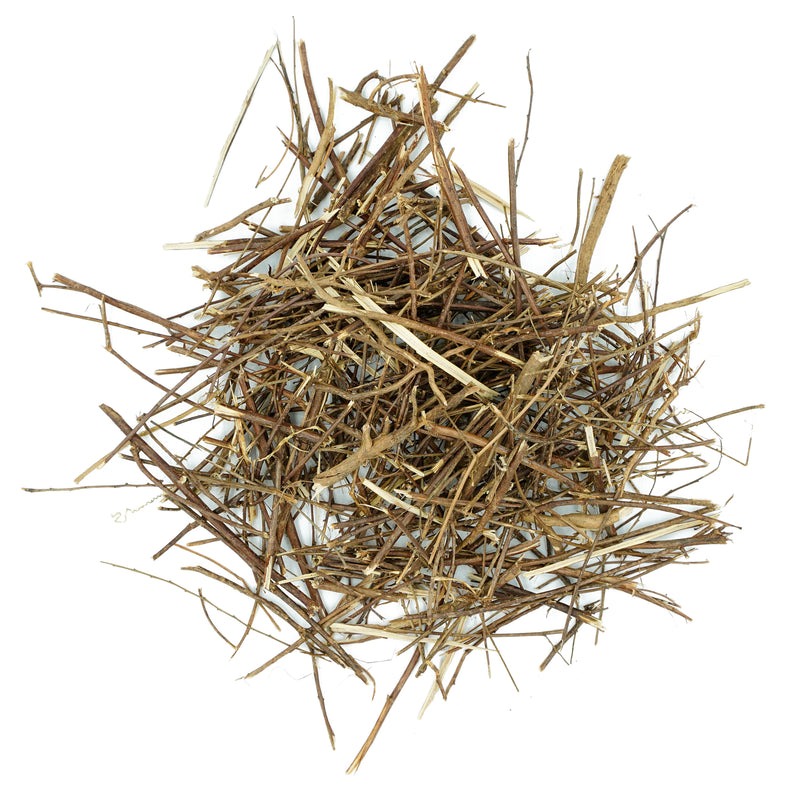
Bhumi Amla
Phyllanthus niruri L.
Bhumi Amla sold to the Phyllanthus niruri specification, with species identity disclosed and verified against the closely related P. amarus.
- Botanical namePhyllanthus niruri L.
- Part usedWhole dried aerial plant (herb)
- FamilyPhyllanthaceae (formerly Euphorbiaceae)
- Also known asBhuiamla, Jar Amla, Hazardanti (trade name in some markets), Keezhanelli, Nela Nelli
- Certificate of Analysis
- Samples available
- Export documents handled
Bhumi Amla, sold internationally under the binomial Phyllanthus niruri, is one of the most name-confused raw materials in the herbal trade. This page explains exactly what that name does and does not guarantee, so you can buy against the correct specification.
A naming issue every buyer should know before ordering
Botanical literature records true Phyllanthus niruri L. as a species native to the American tropics, first described from a Barbados specimen. Published taxonomic reviews state it has not been confirmed growing outside the Americas.
Material long called P. niruri in Indian floras and in much of the older Ayurvedic literature has since been re-identified by botanists as Phyllanthus amarus, a related but distinct species that is genuinely widespread across India. In practice, most Indian trade lots sold as Bhumi Amla or labelled Phyllanthus niruri are botanically P. amarus or the closely related P. fraternus, not the New World species.
Why the distinction matters commercially
Buyers working from an overseas monograph, a co-packer's existing label, or a customer audit sometimes need material specifically documented as Phyllanthus niruri. Phyllanthin and hypophyllanthin, the marker lignans used to value this drug, have been shown in published comparisons to differ measurably between Phyllanthus species and even between plant parts of the same species. Supplying the wrong species against a niruri-labelled specification can therefore create both a labelling problem and an assay mismatch.
What we supply under this listing
Our Bhumi Amla stock is standard Indian trade material, wild-collected and lightly cultivated across South and Central India, tested and identified before dispatch. We disclose the confirmed species on the Certificate of Analysis rather than defaulting to whatever name a purchase order uses.
Buyers who require verified P. niruri sensu stricto should say so at enquiry stage; we will discuss sourcing options and identity testing before quoting, rather than relabel standard stock.
Harvest and processing
Plants are hand-pulled after the monsoon, typically in September and October, while still green and before woody stem develops. Material is shade-dried, then cut, sifted or milled to order.
Forms that trade
AV Biotech supplies whole dried herb, cut and sifted material, and milled powder, with species-verification paperwork available on every lot.
Industry applications of Bhumi Amla
Bhumi Amla sells into the same broad industries as other Phyllanthus drugs, with the added requirement that species documentation travel with the shipment.
Ayurvedic and herbal pharmaceutical manufacturing
Formulators using classical Bhumyamalaki preparations, including churna and ghrita, buy whole herb or coarse cut. Manufacturers exporting finished product to markets that name Phyllanthus niruri on the label need the identity paper trail more than the trade name alone.
Nutraceutical brands building on chanca piedra positioning
The name chanca piedra, meaning stonebreaker, is widely used in Latin American and Western supplement marketing under the Phyllanthus niruri name. Indian-origin material supplied against this specification should carry a clear identity statement so the brand's own label claims stay defensible.
Extract manufacture
Extract houses standardise Bhumi Amla against phyllanthin and hypophyllanthin by HPLC. Because assay expectations in published literature are often built on a named species, we recommend matching your extraction input to the species stated in your reference study rather than to the trade name alone.
Herbal tea and functional beverage
Tea-bag cut material is blended into bitter wellness infusions in the same way as other Phyllanthus material, where species labelling matters less than cut consistency and low dust content.
Quality pitfalls buyers should check for
The biggest risk with any Bhumi Amla purchase is a supplier stating a species on the invoice without having tested for it. Ask for macroscopic description or HPTLC identity data alongside the assay figure, and treat a bare Latin name on a packing list as unverified until the Certificate of Analysis backs it up.
Co-collection with look-alike Phyllanthus species during wild harvest is common across this entire trade category, so a stated foreign-matter limit for admixed species is worth writing into your purchase specification.
Common product formats
- Bhumyamalaki churna and classical decoctions
- Stonebreaker-positioned wellness capsules and tablets
- Standardised phyllanthin and hypophyllanthin extracts
- Bitter herbal tea blends
- Private-label supplement formats built to a customer's existing specification
Traditional use and current research
Bhumi Amla carries the same broad traditional standing as other Phyllanthus species used under this common name across South Asia: a bitter tonic herb positioned around liver function, urinary comfort and general seasonal wellness.
The notes below describe traditional positioning and published research directions under the trade name Phyllanthus niruri, not established medical outcomes, and not a claim that a single fixed species underlies every study cited in the wider literature.
Liver-related traditional use and research
Formulations sold internationally as Phyllanthus niruri are commonly positioned around liver wellness, drawing on decades of published laboratory and early clinical interest in this plant group. Findings vary by extract type and by which species was actually tested, which is exactly why identity documentation matters for anyone citing this research.
Kidney stone and urinary traditional use
The stonebreaker name reflects long traditional use for urinary comfort and as a mild diuretic. Early-stage studies have looked at effects on calcium oxalate crystal formation; this is a research direction, not a treatment for existing kidney stones.
Digestive and general wellness use
Ayurvedic and allied traditional practice uses this bitter herb group for digestive comfort, generally in combination with other bitter tonics rather than alone.
Antiviral and antimicrobial research interest
Laboratory studies on Phyllanthus niruri and related species have examined activity against several viral and microbial targets. This is an active research area, not a basis for a disease-related claim on a finished product.
What buyers should note on claims
Because the name Phyllanthus niruri is used loosely across the literature to cover more than one botanically distinct plant, any claim built on a specific study should be checked against the species that study actually used. We disclose the species on our Certificate of Analysis so your regulatory team can make that match.
This information is provided for educational and B2B product-sourcing purposes only. It is not medical advice and these statements have not been evaluated by any regulatory authority. Finished-product claims are the responsibility of the manufacturer.
| Botanical name on order | Phyllanthus niruri L. (trade name); confirmed species stated on the lot Certificate of Analysis, commonly Phyllanthus amarus or P. fraternus complex material |
|---|---|
| Family | Phyllanthaceae (formerly Euphorbiaceae) |
| Part used | Whole dried aerial plant (herb) |
| Appearance | Small green to slightly reddish-green herb pieces with tiny capsules along the leaflet underside; powder light to medium green |
| Active constituents | Phyllanthin and hypophyllanthin (bitter lignans), plus related lignans niranthin and nirtetralin; levels vary by species, plant part and season and are confirmed by lot-specific HPLC or HPTLC |
| Moisture | Not more than 10% (typical trade limit) |
| Total ash | Not more than 12% (typical trade limit) |
| Acid-insoluble ash | Not more than 2% (typical trade limit) |
| Foreign matter | Not more than 2%, including admixed look-alike Phyllanthus species (typical trade limit) |
| Particle size | Whole herb; cut and sifted 2 to 10 mm; tea-bag cut 0.5 to 2 mm; powder 60 or 80 mesh |
| Pesticide/heavy-metal/microbial testing | Tested against buyer-nominated panel; EU or AYUSH limits on request; total plate count, yeast and mould, E. coli and Salmonella to agreed limits |
| Packing | 25 kg PP or HDPE laminated bags with food-grade LDPE inner liner; compressed bales for whole herb |
| Shelf life | 24 months for whole and cut herb; 18 months for powder, in sealed original packing |
Values are typical and indicative. A lot-specific Certificate of Analysis is shared before dispatch.
What is your minimum order quantity for Bhumi Amla?
100 kg for cut material or milled powder, and 500 kg for whole dried herb. We also supply 100 to 500 g trial samples so your QC team can check identity and assay before a commercial order.
Is this genuinely Phyllanthus niruri, or is it Phyllanthus amarus relabelled?
We do not relabel stock. Our standard Bhumi Amla is Indian trade material from the P. amarus / P. fraternus complex, tested and stated as such on the Certificate of Analysis. If your specification requires verified Phyllanthus niruri sensu stricto, tell us at enquiry stage so we can discuss sourcing and identity testing before quoting.
What documentation comes with an export shipment?
Every lot ships with a batch Certificate of Analysis covering assay, ash values, moisture and microbiology, plus a stated species identity. Export consignments also carry a phytosanitary certificate, Certificate of Origin, packing list and commercial invoice.
Can you customise mesh size, cut or packing?
Yes. We supply whole herb, cut and sifted material from 2 to 10 mm, tea-bag cut, and powder from 60 to 80 mesh. Packing can be adjusted to 20 kg or 25 kg bags, fibre drums, or your own private-label sacks.
What is the typical lead time?
7 to 10 working days for stock grades from Jaipur. Species-verification testing and organic-certified lots typically add 1 to 2 weeks, and fresh crop is most available from September onward, after the monsoon harvest.
Enquire about Bhumi Amla
No payment is taken here — this reaches our sourcing team directly.
Related products