Custard Apple (Sitafal)
Custard Apple (Sitafal)
Annona squamosa L.
Custard apple (Annona squamosa) fruit pulp, seed and leaf supplied separately in bulk, with seed and leaf clearly marked non-edible for cosmetic and pesticidal use.
- Botanical nameAnnona squamosa L.
- Part usedFruit pulp (food and nutraceutical trade); seed and leaf traded separately for non-edible, industrial and cosmetic use
- FamilyAnnonaceae
- Also known asSitafal, Sharifa, Seetha Phalam, Atis, Ata
- Certificate of Analysis
- Samples available
- Export documents handled
Custard apple is the fruit of Annona squamosa, a small deciduous tree in the Annonaceae family, widely grown across the drier plains of India. Buyers include fruit-pulp processors, nutraceutical brands, cosmetic formulators and botanical-pesticide manufacturers, and each buys a different plant part.
Botanical identity and why the plant part matters
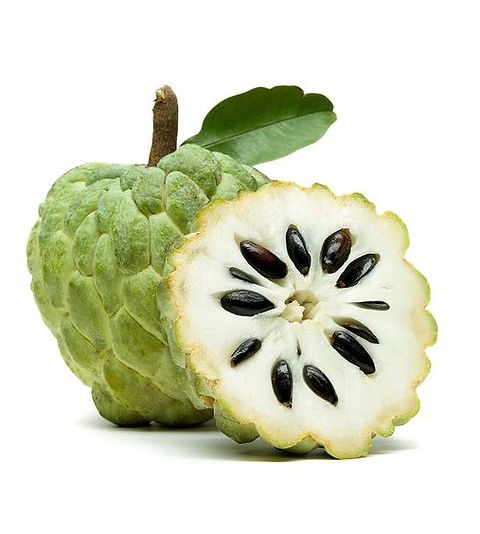
The tree bears a compound fruit made of fused carpels, with a knobbly, custard-yellow to pale green segmented skin around soft, sweet, creamy pulp studded with black seeds. Fruit pulp is the edible, food-trade part.
Seed and leaf are a different matter entirely. Published research has identified annonaceous acetogenins, principally squamocin and related annonacin-type compounds, in Annona squamosa seed, with documented neurotoxicity signals in laboratory studies. AV Biotech treats fruit pulp, seed and leaf as three separate trade items with separate specifications, and seed and leaf are supplied strictly for non-edible, industrial and cosmetic use, never as a food or dietary ingredient.
Where it grows in India
Custard apple grows well on poor, well-drained soils with low rainfall, which makes it a common crop on marginal and rain-fed land. Maharashtra, Madhya Pradesh, Andhra Pradesh, Telangana, Karnataka and Bihar are the established growing states.
It is often intercropped or grown on farm boundaries, and a large share of the domestic fruit supply still comes from semi-wild and lightly managed trees rather than intensive orchards.
Harvest and processing
Fruit is hand-harvested when the segments begin to separate slightly, typically August to November depending on the region, then ripened off the tree for two to four days before pulping. Pulp is de-seeded, strained and either frozen, dried or spray-dried into powder.
Seed is recovered as a by-product of pulp processing, sun-dried and sold in bulk mainly for oil extraction and as a traditional pediculicide and insecticide ingredient. Leaf is separately collected, dried and milled for cosmetic and extract use.
Why buyers source it
Fruit pulp is valued for its sweet flavour, vitamin C, potassium and dietary fibre content, and moves into ice cream, milkshakes, juices, jams and freeze-dried snack formats. Seed oil and seed powder are valued for their acetogenin and fatty-acid content, historically used as a household pesticide and delousing agent, and increasingly studied as a botanical-pesticide feedstock.
Leaf extract is studied for polyphenol content and is formulated into some skin and hair-care products, again as a topical, non-ingested application.
Forms that trade
AV Biotech supplies frozen and dried fruit pulp, spray-dried pulp powder, sun-dried whole seed, cold-pressed seed oil (industrial, non-edible grade) and dried leaf powder. Every seed and leaf shipment carries a clear non-edible, external-use-only declaration on the Certificate of Analysis and packing documents.
Industry applications of custard apple
Custard apple splits cleanly into a food-grade pulp business and a non-edible seed and leaf business. Buyers should specify which plant part they need, since the two are never interchangeable.
Fruit processing and food manufacturing
Pulp processors buy frozen or spray-dried pulp for ice cream, milkshake bases, smoothie packs, fruit-leather and jam manufacturing. Fresh-fruit exporters and juice bottlers also buy select-grade whole fruit in season.
These buyers usually specify total soluble solids, colour and seed-removal completeness, since residual seed fragments in pulp are a recurring quality complaint.
Nutraceutical and functional food
Freeze-dried pulp powder is used in fruit-blend supplements, functional snack bars and infant and clinical nutrition formats where a mild, sweet fruit note is needed. This segment specifies microbiology and heavy-metal limits closely, as the powder is typically consumed directly.
Botanical pesticide and agro-input manufacturing
Seed oil and seed powder are used as feedstock by manufacturers of botanical pesticide and pediculicide formulations, drawing on the acetogenin content that also makes raw seed unsuitable for food use. This is an industrial, not a food, application.
Cosmetic and personal-care formulation
Leaf extract and leaf powder are formulated into some hair-care and skin-care products for their polyphenol content, applied topically. Seed oil also finds limited use in soap and industrial-oil applications, again external use only.
Ayurvedic manufacturing
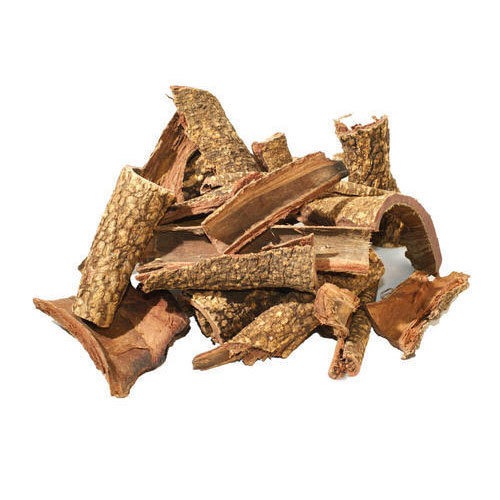
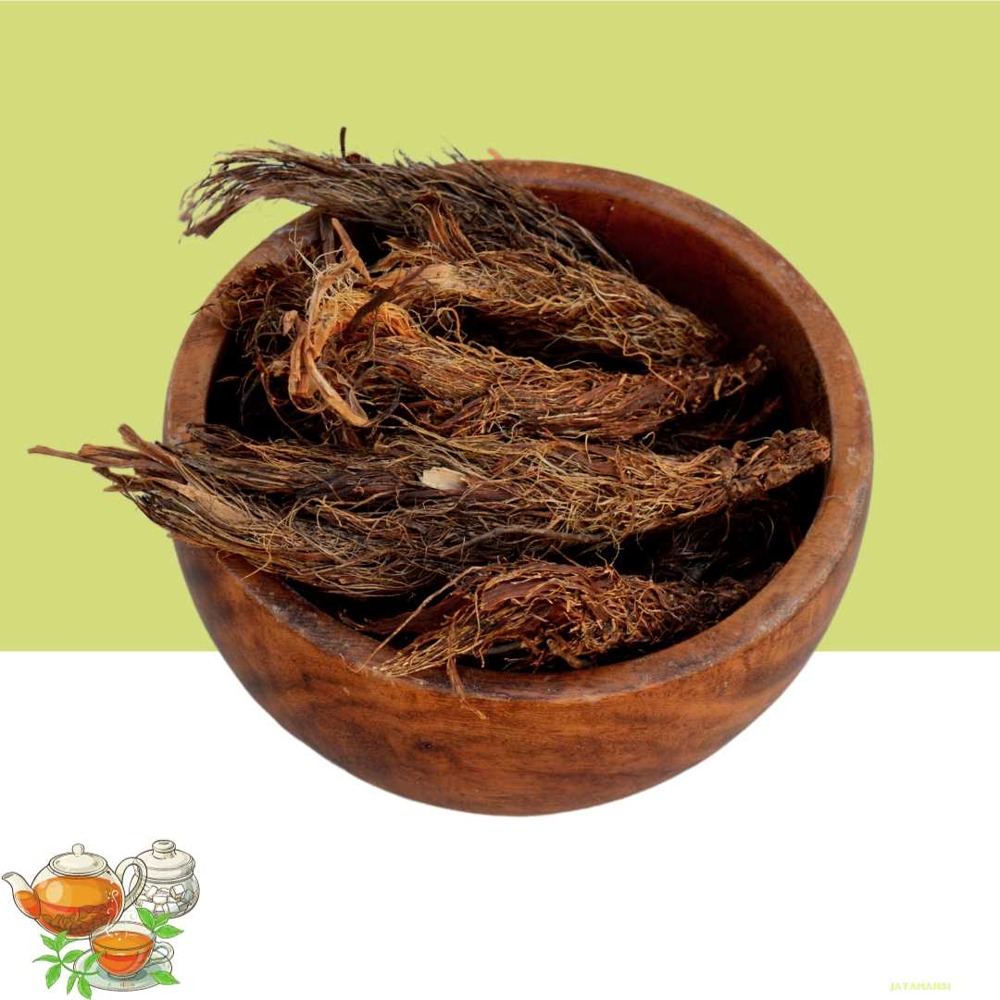
Classical Ayurvedic practice references Sitaphala fruit pulp and, in some regional traditions, root and bark in decoction form. Manufacturers working in this segment should confirm plant-part identity and dosage against a recognised Ayurvedic text or pharmacopoeial reference before formulating.
Common product formats
- Frozen and spray-dried fruit pulp for ice cream and beverages
- Freeze-dried pulp powder for nutraceutical blends and snack bars
- Fresh whole fruit for export and retail
- Sun-dried seed and cold-pressed seed oil for agro-input manufacture
- Dried leaf powder and leaf extract for cosmetic formulation
- Classical Ayurvedic fruit-based preparations
Traditional use and current research
Custard apple fruit pulp has a long history as a nourishing, energy-dense food across India, and Ayurveda references Sitaphala pulp as Balya, or strength-supporting. The notes below apply specifically to fruit pulp, and traditional or research-stage findings on seed and leaf are noted separately with their safety caveats.
Fruit pulp and general nutrition
Fresh pulp is a source of vitamin C, potassium, magnesium and dietary fibre, and is traditionally used as a nourishing food during convalescence and for general vitality. This is a food-nutrition use, not a therapeutic claim.
Digestive and traditional positioning
Ayurvedic sources describe Sitaphala pulp as supportive of digestion and as a mild nervine tonic in traditional formulations. These are traditional-use descriptions and have not been established as clinical outcomes.
Research on leaf polyphenols
Published studies have examined Annona squamosa leaf extract for polyphenol content and effects on glucose tolerance markers in animal models. This research is preclinical and topical or investigational leaf use should not be confused with the edible fruit pulp.
Seed and leaf safety notes buyers must know
Annona squamosa seed contains annonaceous acetogenins, including squamocin, identified in research as the principal toxic constituent of the seed, with documented neurotoxicity signals in laboratory studies at defined exposure levels. Long-term consumption of Annonaceae fruit has separately been discussed in the literature as a possible risk factor in some neurodegenerative-disease research, a finding specific to certain dietary and regional patterns, not to occasional fruit consumption.
Seed and leaf material supplied by AV Biotech is intended for non-edible, industrial or topical cosmetic use only, and is not sold, labelled or represented as a food, dietary supplement or ingestible ingredient. Manufacturers formulating with seed or leaf material must ensure their own finished-product use, labelling and safety assessment address this acetogenin content.
This information is provided for educational and B2B product-sourcing purposes only. It is not medical advice and these statements have not been evaluated by any regulatory authority. Finished-product claims are the responsibility of the manufacturer.
| Botanical name | Annona squamosa L., Fam. Annonaceae |
|---|---|
| Part used | Fruit pulp (food grade); seed and leaf (non-edible, industrial/cosmetic grade only) quoted separately |
| Appearance | Pulp: cream to pale yellow, soft, aromatic; seed: hard, glossy black-brown; leaf powder: green, characteristic odour |
| Active constituents | Pulp: sugars, vitamin C, potassium, dietary fibre. Seed and leaf: annonaceous acetogenins including squamocin and annonacin-type compounds (non-edible use only) |
| Moisture | Not more than 8 per cent for dried pulp powder and dried seed; not more than 10 per cent for leaf powder (typical) |
| Total ash | Not more than 6 per cent for pulp powder, not more than 8 per cent for leaf powder (typical) |
| Acid-insoluble ash | Not more than 1.5 per cent (typical) |
| Foreign matter | Not more than 1 per cent; pulp lots screened for residual seed fragments |
| Particle size | Pulp powder 60 to 80 mesh; leaf powder 40 to 60 mesh; whole seed or coarse-cracked seed for oil extraction |
| Labelling requirement | Seed and leaf lots are supplied and documented as non-edible, industrial/cosmetic use only |
| Pesticide/heavy-metal testing | Tested against buyer-nominated panel; EU or Codex limits available on request for pulp powder |
| Microbiology | Total plate count, yeast and mould, E. coli and Salmonella to agreed limits (food-grade pulp lots) |
| Packing | Frozen pulp in 5 to 20 kg food-grade pails; dried pulp and leaf powder in 20 to 25 kg PP/HDPE bags with liner; seed in 25 to 50 kg PP bags |
| Shelf life | 12 months frozen pulp (frozen storage), 18 months dried pulp powder, 24 months dried seed, 12 months leaf powder |
Values are typical and indicative. A lot-specific Certificate of Analysis is shared before dispatch.
What is your minimum order quantity for custard apple products?
500 kg for frozen fruit pulp, 100 kg for dried pulp powder or leaf powder, and 250 kg for whole seed. Paid samples of 250 g to 1 kg are available for evaluation before you place a commercial order.
Are custard apple seed and leaf safe to use in food products?
No. Annona squamosa seed and leaf contain annonaceous acetogenins with documented neurotoxicity signals in published research, so we supply and document these parts strictly for non-edible, industrial or cosmetic use only. Fruit pulp is the food-grade part and is a separate item on our specification.
What documentation comes with an export shipment?
Every lot ships with a batch Certificate of Analysis covering moisture, ash, microbiology and, for seed and leaf, an explicit non-edible use declaration. Export consignments also carry a phytosanitary certificate, Certificate of Origin, packing list and commercial invoice.
Can you supply fresh whole fruit for export, and what is the season?
Yes, during the harvest window, typically August to November depending on the growing region. Fresh fruit is hand-picked at the segment-separation stage and requires cold-chain logistics, so please confirm your destination and timeline early to plan the harvest schedule.
What is the typical lead time?
7 to 12 working days for stock pulp and seed grades from Jaipur. Fresh fruit shipments are booked against the seasonal harvest calendar, and cosmetic-grade leaf extract or custom seed-oil specifications take 2 to 3 weeks.
Enquire about Custard Apple (Sitafal)
No payment is taken here — this reaches our sourcing team directly.
Related products