Shikakai
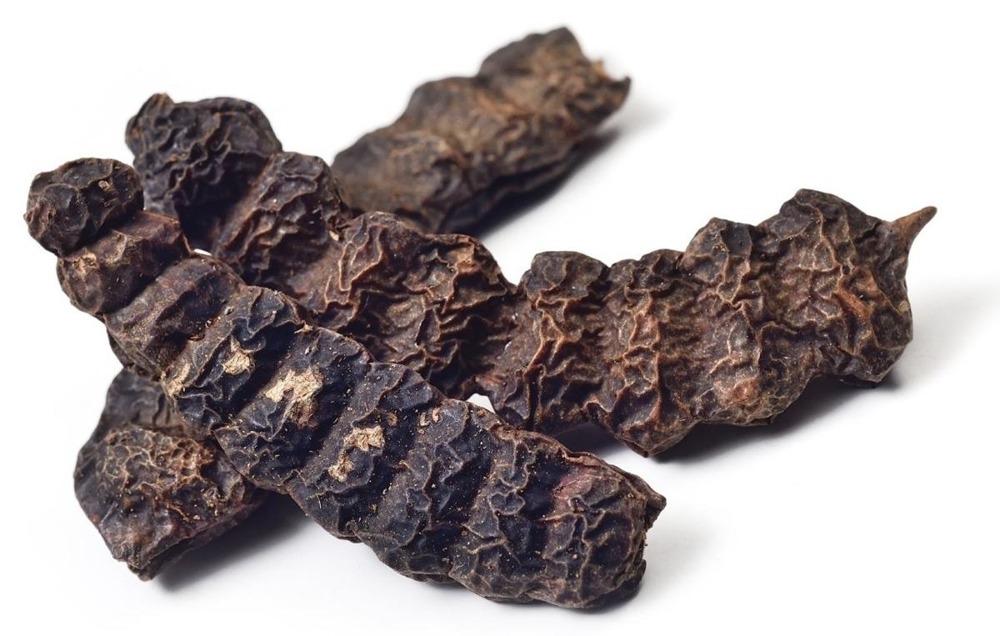
Shikakai
Acacia concinna
Shikakai is the dried pod of Acacia concinna, a saponin-rich cosmetic raw material supplied in bulk to hair care, personal care and extract manufacturers.
- Botanical nameAcacia concinna
- Part usedDried fruit pods
- FamilyFabaceae
- Also known asSaptala, Shikai, Cheekaya, Sige Kai, Seekai
- Certificate of Analysis
- Samples available
- Export documents handled
Shikakai is the dried fruit pod of Acacia concinna, valued as a natural cleansing material rather than as an ingestible herb. Buyers are hair care brands, personal care formulators, henna blenders and extract manufacturers.
Botanical identity
Acacia concinna (Willd.) DC. belongs to the Fabaceae family. The currently accepted botanical name is Senegalia rugata (Lam.) Britton and Rose, and both names appear in trade and regulatory documents.
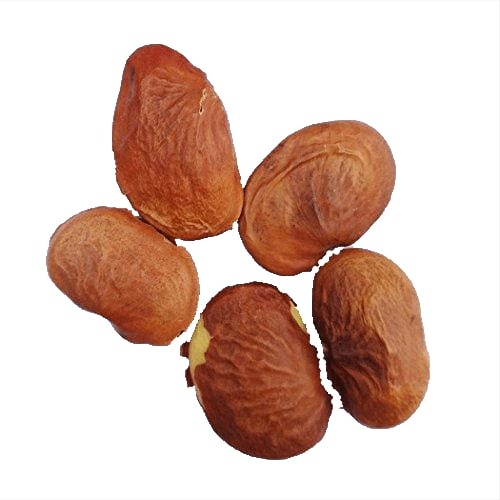
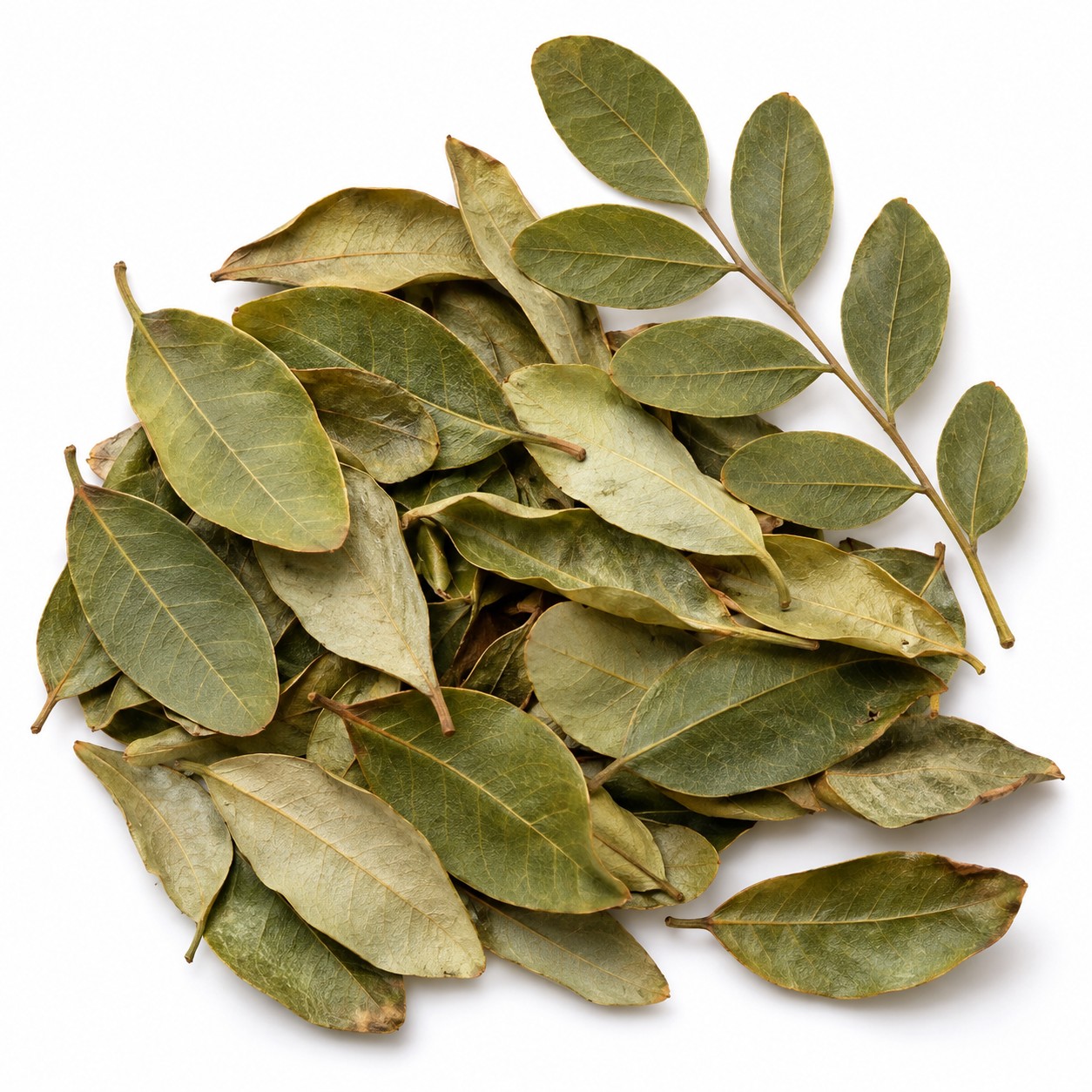
The plant is a thorny climbing shrub or small tree. The commercial part is the flat, wrinkled, dark brown pod, which is where the saponin content sits.
For cosmetic buyers, the INCI reference is normally Acacia Concinna Fruit Powder or Acacia Concinna Fruit Extract. State the INCI name you intend to declare when you enquire, so the specification matches your label.
Growing regions and harvest
Shikakai grows across the warm plains and dry deciduous forest of central and southern India. Supply comes mainly from Maharashtra, Karnataka, Tamil Nadu, Andhra Pradesh, Telangana and Madhya Pradesh.
Pods mature and are collected during the cool dry months, broadly from December into March. Collection is largely by hand from wild and semi-wild stands, followed by sorting and sun drying.
Deseeded versus with-seed pods
This is the specification detail that most buyers overlook, and it has a real effect on both cost and performance.
Whole pods contain hard seeds that carry little of the cleansing saponin fraction. Leaving them in lowers the effective saponin content per kilo and makes milling harder, because the seeds resist grinding and produce grit.
Deseeded pod powder is therefore a premium grade and is what most cosmetic formulators actually want. When you enquire, say whether you need deseeded material, because the price difference is genuine.
Active constituents and why it cleanses
The pods are rich in triterpenoid saponins, including glycosides of acacic acid and oleanolic acid. Saponins are natural surfactants, which is why a shikakai slurry foams mildly in water.
The pods also contain tannins, flavonoids and ascorbic acid. A shikakai wash is mildly acidic rather than alkaline, which is the usual explanation for why it feels less stripping than a traditional soap-based wash.
Milling and mesh
Shikakai pods are fibrous, so milling quality separates a good supplier from an average one. We supply powder at 60, 80 and 100 mesh.
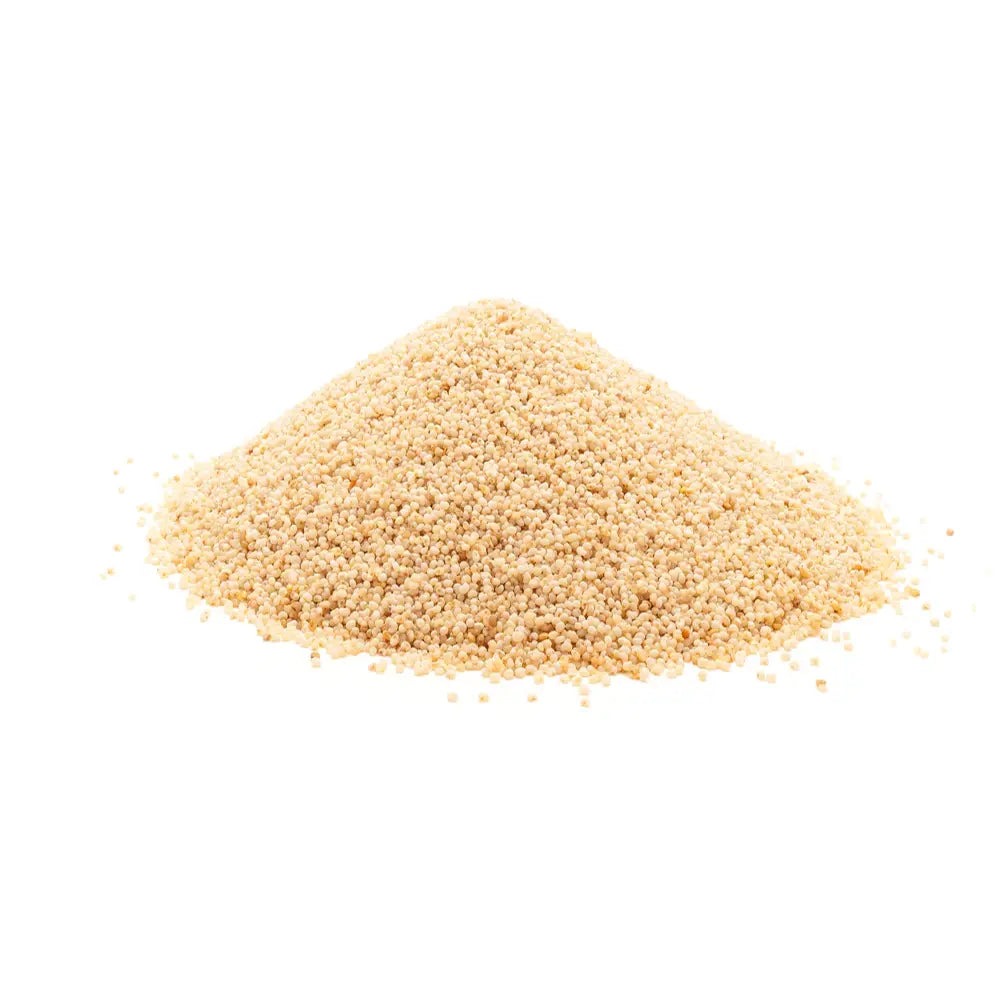
Cosmetic buyers making wash-off hair packs and powder cleansers normally take 100 mesh, because coarser material leaves a perceptible grit in the hand and in the hair.
Forms that trade
We supply whole dried pods, crushed and broken pods, deseeded pods, and milled powder. Water-soluble and oil-soluble extracts are produced for liquid formulation work.
Industry applications of Shikakai
Shikakai is a cosmetic and personal care raw material. It is not sold or specified for ingestion, and product design should follow that framing.
Hair care manufacturing
This is the core market. Shikakai has been used as a hair wash across India for centuries and remains the anchor ingredient in traditional cleansing powders.
Formulators use 100 mesh powder in hair packs, powder cleansers and dry shampoo bases. Extract goes into liquid shampoos, conditioners and hair rinses, often alongside reetha and amla.
Because the saponins provide mild natural foaming, shikakai is frequently used to reduce or replace part of the synthetic surfactant load in sulphate-free ranges.
Natural and Ayurvedic personal care
Beyond hair, shikakai appears in body cleansing powders, ubtan blends and traditional bathing preparations. It is known in Ayurvedic literature as Saptala.
These buyers usually order alongside other powder botanicals and expect matched mesh across the whole set, so the finished blend looks and feels uniform.
Solid format and bar manufacturing
Shampoo bars, cleansing bars and solid conditioner bars use shikakai powder or extract as a natural surfactant component. Powder buyers in this segment care about colour consistency, since the powder tints the finished bar.
Henna and hair colour blending
Henna and hair colour brands blend shikakai with henna, indigo, amla and bhringraj. Volumes here are large and mesh consistency between lots is the main quality demand, because any variation shows up immediately in the packed product.
Extract manufacture
Extract houses produce water-soluble and oil-soluble Acacia Concinna Fruit Extract for liquid personal care. They buy deseeded pod material and select on saponin content rather than appearance.
Common product formats
- Herbal hair wash powders and hair packs
- Sulphate-free and low-surfactant shampoos using extract
- Shampoo bars, cleansing bars and solid conditioners
- Ubtan, body cleansing powders and traditional bath preparations
- Henna, indigo and amla hair colour blends
- Natural surfactant blends with reetha (soapnut) and amla
Traditional uses and cosmetic properties
Shikakai is used externally. Its reputation rests on a long record as a hair and skin cleanser rather than on any internal application, and product positioning should stay in that lane.
Traditional positioning
Traditionally used across India as a hair wash, prepared by soaking or boiling the pods and using the resulting slurry to cleanse hair and scalp. The name shikakai translates roughly as fruit for hair.
Traditional practice often paired it with reetha for extra foam and with amla for conditioning. That three-part combination is still the backbone of many modern natural hair care ranges.
In Ayurvedic literature the pod is known as Saptala and is grouped with the external cleansing materials rather than with internal medicines.
What studies suggest
The triterpenoid saponins in the pods behave as natural surfactants, which explains the mild foaming and cleansing action observed in use.
Studies suggest the pods also contain tannins and flavonoids with antioxidant activity in laboratory assays. The relevance of these findings to a rinse-off cosmetic product is limited, since contact time is short.
The mildly acidic character of a shikakai wash is often cited as the reason it feels gentler than alkaline soap-based cleansing. This is a physicochemical observation rather than a proven cosmetic outcome.
How brands position finished products
Commonly formulated into products targeting gentle cleansing, scalp comfort, hair softness, manageability and shine. Cosmetic claims are appearance and sensory claims, and are supported by the manufacturer's own product testing.
In India, cosmetic products fall under the Drugs and Cosmetics Act and BIS cosmetic standards. In the EU, a safety assessment under the Cosmetic Products Regulation is required before placing a product on the market.
Points buyers should note
Shikakai is supplied as a cosmetic raw material and is not intended for internal use. Do not specify it against food or supplement standards.
Traditional practice notes that shikakai wash can sting if it enters the eyes, so rinse-off formats are usually designed with that in mind. Patch testing and full cosmetic safety assessment of the finished product remain the manufacturer's responsibility.
This information is provided for educational and B2B product-sourcing purposes only. It is not medical advice and these statements have not been evaluated by any regulatory authority. Finished-product claims are the responsibility of the manufacturer.
| Botanical name | Acacia concinna (Willd.) DC. (accepted name Senegalia rugata (Lam.) Britton and Rose) |
|---|---|
| Family | Fabaceae |
| Part used | Dried fruit pods; deseeded pod grade specified separately |
| INCI reference | Acacia Concinna Fruit Powder / Acacia Concinna Fruit Extract |
| Intended use | Cosmetic and personal care raw material; not supplied for internal use |
| Appearance | Flat wrinkled dark brown pods; powder light to medium brown |
| Odour and taste | Characteristic earthy odour; astringent and sour taste |
| Active constituents | Triterpenoid saponins (acacic acid and oleanolic acid glycosides), tannins, flavonoids, ascorbic acid |
| Total saponins | Indicative range of roughly 5% to 12%; higher in deseeded pod material |
| pH (1% aqueous slurry) | Mildly acidic, indicatively around pH 4.5 to 5.5 |
| Moisture | Not more than 10% (typical) |
| Total ash | Not more than 8% (typical) |
| Acid-insoluble ash | Not more than 2% (typical) |
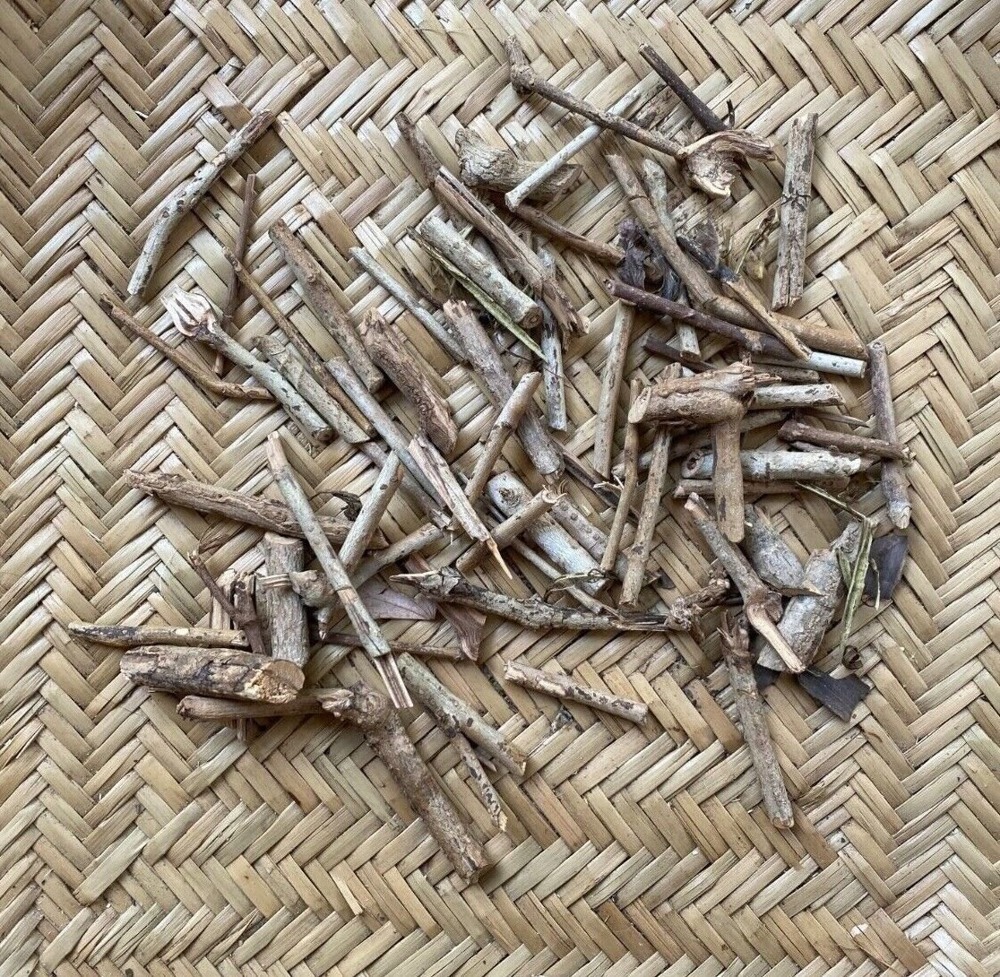
| Foreign matter | Not more than 2% (typical); leaf, twig and stone removed at sorting |
| Seed content | Declared by grade; deseeded grade supplied with a stated maximum seed limit |
| Particle size | Whole pods; crushed pods 2 to 10 mm; powder 60, 80 or 100 mesh. Cosmetic standard is 100 mesh |
| Pesticide residues | Tested against buyer-nominated panel on request |
| Heavy metals | Lead, cadmium, mercury and arsenic tested to agreed cosmetic limits |
| Microbiology | Total plate count, yeast and mould, E. coli, Salmonella, Pseudomonas and S. aureus to cosmetic limits |
| Packing | 25 kg PP or HDPE laminated bags with food-grade inner liner; fibre drums for fine powder |
| Shelf life | 24 to 36 months whole pods; 18 months powder, in original sealed packing |
Values are typical and indicative. A lot-specific Certificate of Analysis is shared before dispatch.
What is your minimum order quantity for Shikakai?
MOQ is 100 kg per grade for powder and crushed pods, and 500 kg for whole pods. Samples of 100 to 500 g are supplied so you can check mesh, colour and foaming before ordering. Shikakai is often ordered alongside reetha, amla and henna, and these can be consolidated into one shipment.
Do you supply deseeded Shikakai powder, and why does it matter?
Yes, deseeded pod powder is our standard cosmetic grade. The seeds are hard, carry little of the cleansing saponin fraction and resist milling, so with-seed material gives lower effective saponin per kilo and a grittier powder. Deseeded material costs more but performs better in wash-off formats, so state which grade you need at enquiry stage.
Which mesh size should I order for a hair pack or powder cleanser?
100 mesh is the usual choice for hair packs, powder cleansers and ubtan blends, because anything coarser leaves a perceptible grit in the hand and in the hair. 80 mesh works for bar and paste formats where a little texture is acceptable. If you are blending with other botanicals, order all of them at matched mesh so the finished blend looks uniform.
Can Shikakai be used in food or supplement products?
We supply shikakai as a cosmetic and personal care raw material and do not offer it for internal use. It should be specified against cosmetic standards, not food or supplement standards. The relevant INCI reference for labelling is Acacia Concinna Fruit Powder or Acacia Concinna Fruit Extract.
What documentation and testing do you provide for cosmetic buyers?
Each lot ships with a Certificate of Analysis covering moisture, ash, particle size and microbiology to cosmetic limits, including Pseudomonas and S. aureus where required. Heavy metals are tested against agreed cosmetic limits. Certificate of origin, phytosanitary certificate, MSDS, allergen and non-GMO declarations are issued on request, along with organic transaction certificates for certified lots.
Enquire about Shikakai
No payment is taken here — this reaches our sourcing team directly.
Related products