Amaltas
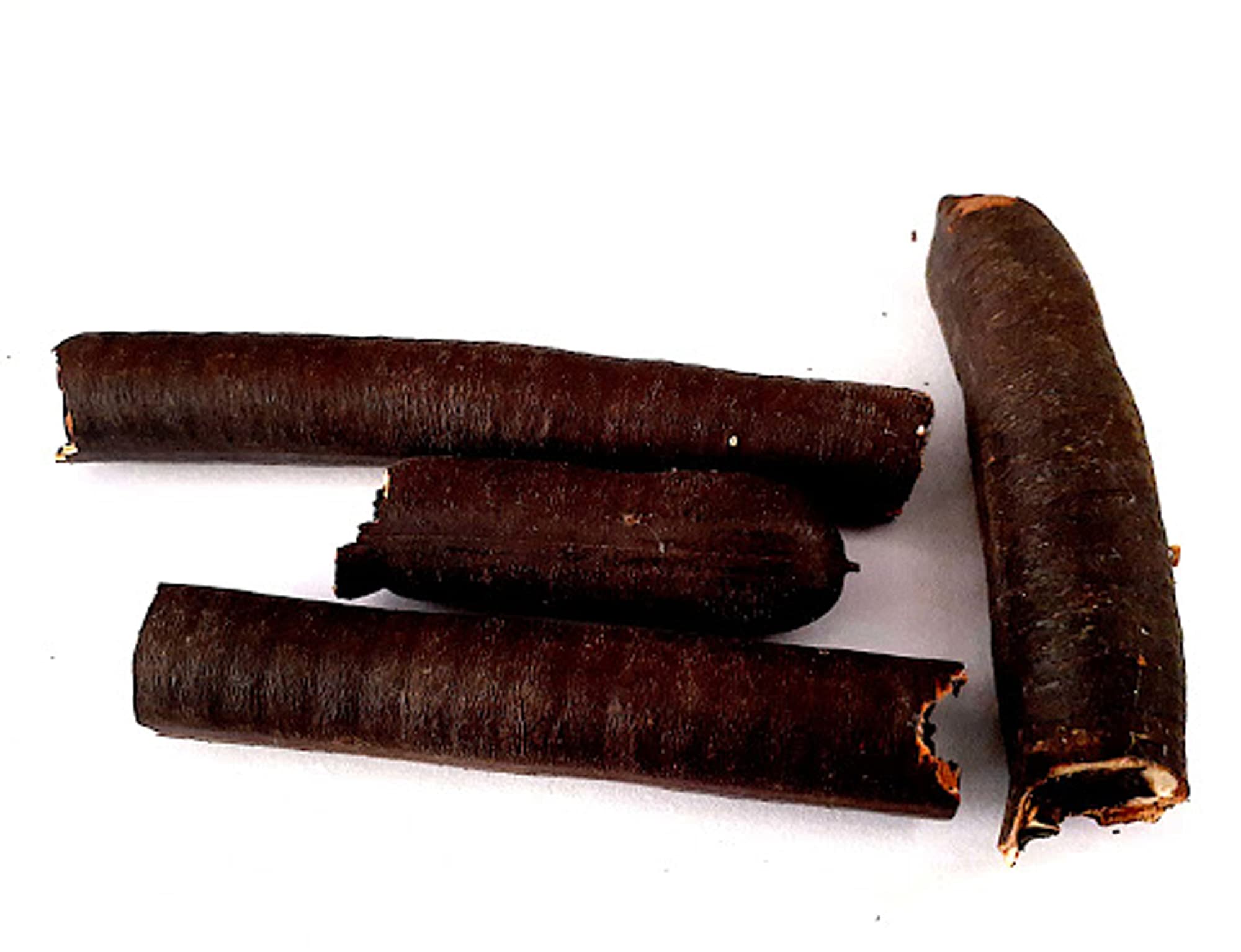
Amaltas
Cassia fistula L.
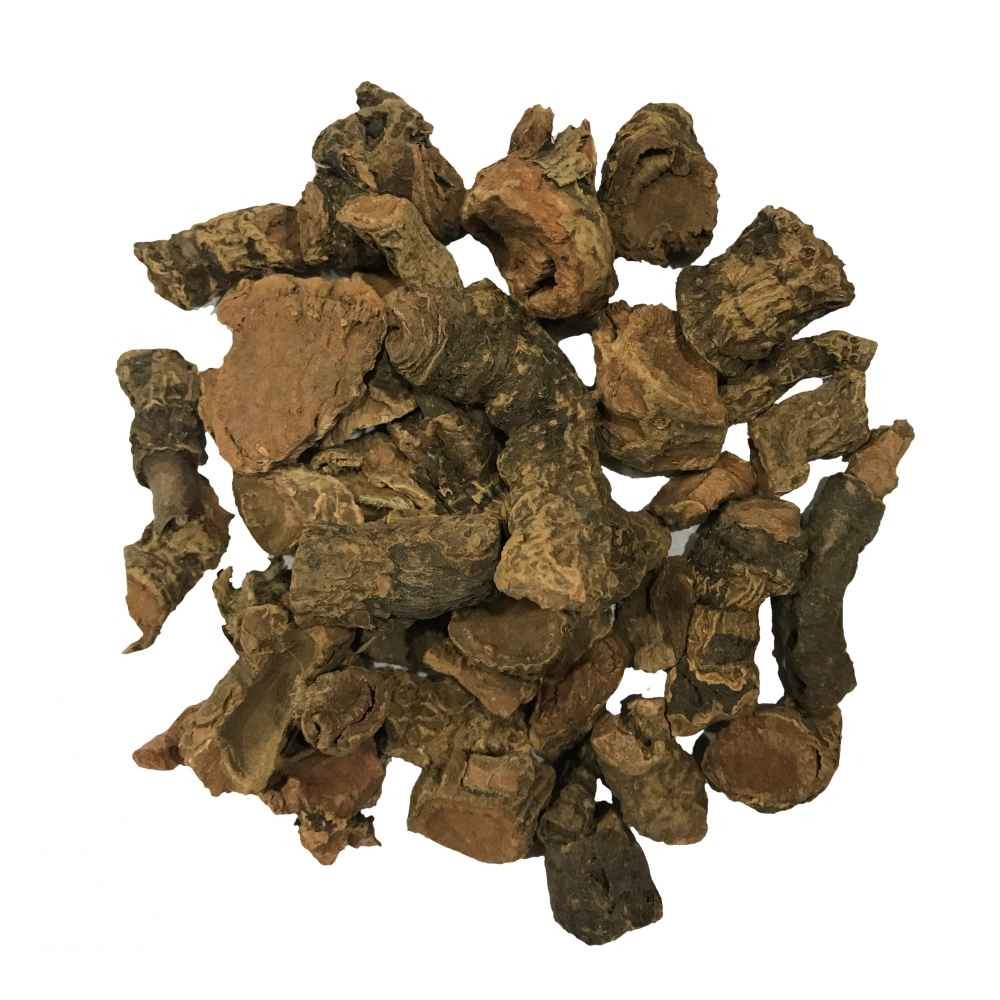
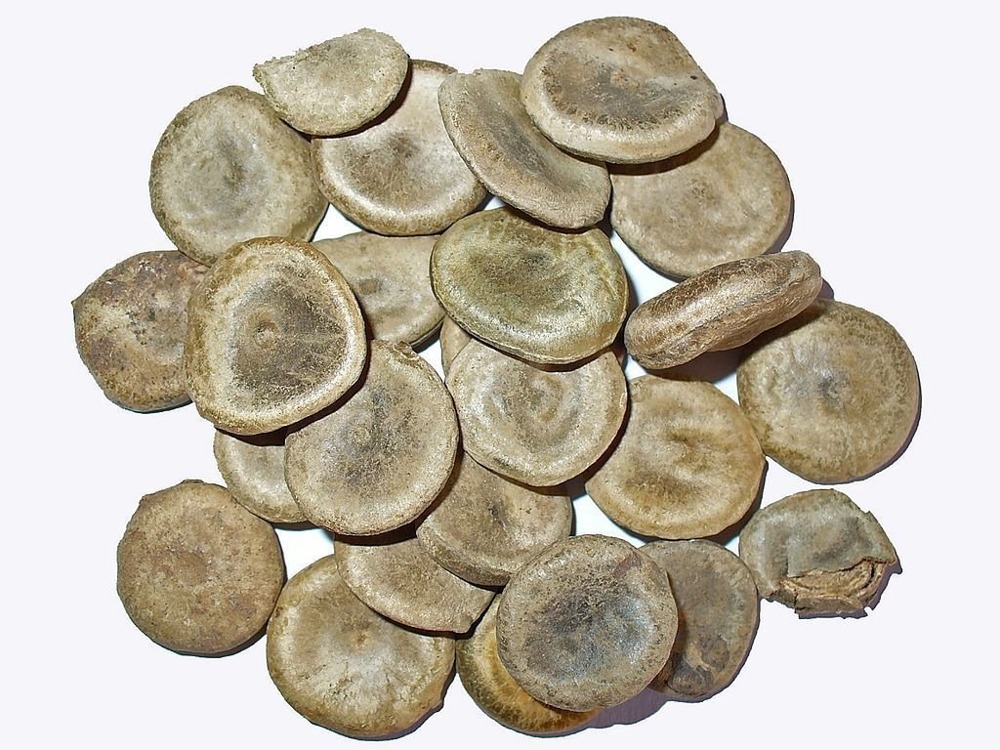
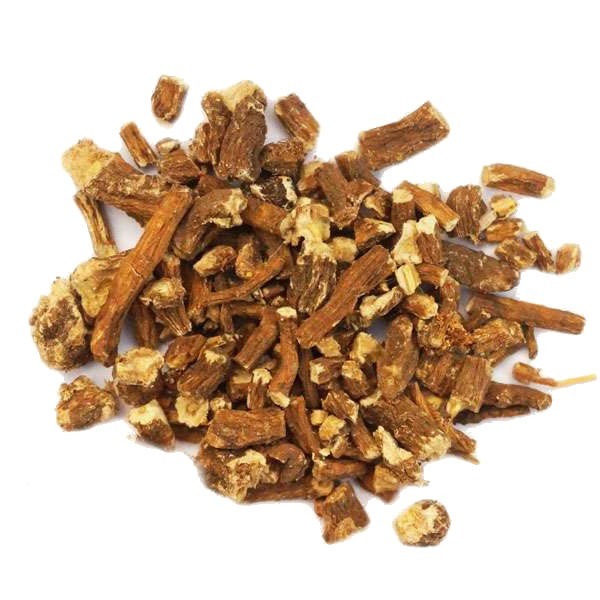
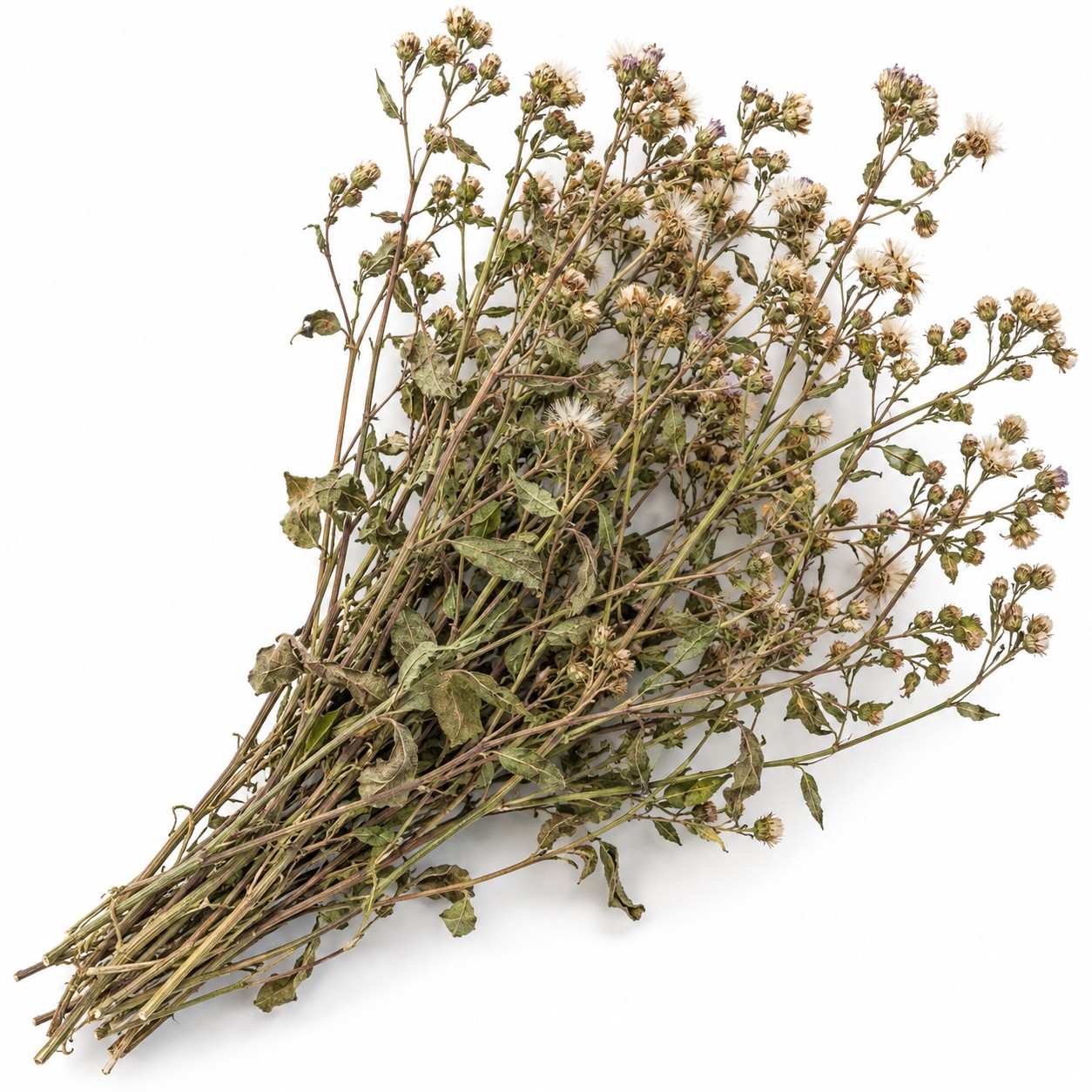
Bulk Amaltas (Cassia fistula) deseeded pod pulp and powder for Ayurvedic, pharmaceutical and nutraceutical manufacturers sourcing from India.
- Botanical nameCassia fistula L.
- Part usedFruit pulp, deseeded (primary trade grade); bark, leaf and flower used in select classical formulations
- FamilyFabaceae (Caesalpinioideae)
- Also known asAragvadha, Rajvriksha, Kakke, Sonhali, Bandarlathi
- Certificate of Analysis
- Samples available
- Export documents handled
Amaltas is the dried pulp of the ripe pods of Cassia fistula, a widely distributed Indian tree known for its cascading yellow flowers and long, cylindrical seed pods.
Botanical identity and part used
Amaltas belongs to the Fabaceae family, in the Caesalpinioideae subfamily, alongside tamarind and gulmohar. The tree is deciduous, flowering in bright yellow racemes through the summer months.
The commercially recognised drug is the pulp inside the mature pod, separated from seeds, septa and pod wall. Bark, leaf and flower are used separately in specific classical formulations and are not part of the standard pulp specification.
Where it grows in India
Cassia fistula grows across much of India in dry deciduous forest and as a widely planted avenue tree, with organised collection concentrated in the forest tracts of Madhya Pradesh, Chhattisgarh, Maharashtra and adjoining central Indian states. It is also cultivated ornamentally through the north and south of the country.
Much of the commercial pulp entering trade is collected as minor forest produce from wild and semi-wild trees rather than grown as a dedicated field crop.
Harvest and processing
Pods form after the summer flowering and take roughly six to nine months to mature, darkening from green to a hard blackish-brown shell as they ripen. Fully ripe pods are collected, typically through the winter months, once the pulp inside has set.
Pods are cracked open along their length, and the sticky, dark pulp is separated from the seeds and internal partitions. The pulp is then sun-dried and either sold in lump form or ground into powder.
Why buyers source it
The pulp's activity is attributed to anthraquinone derivatives, principally rhein and sennoside-type glycosides along with aloe-emodin, present at roughly 2 per cent in dried pulp by classical estimates. This anthraquinone content is the basis of Amaltas's long-standing use as a mild laxative ingredient.
Buyers checking quality look for pulp free of mould and fermentation odour, since the pulp is prone to souring in humid storage, and for a low proportion of adhering seed and pod-wall fragments.
Forms that trade
AV Biotech supplies Amaltas as deseeded dried pulp and milled pulp powder. Bark and leaf material for specific classical formulations can be sourced separately on request.
Industry applications of Amaltas
Amaltas pulp moves mainly into Ayurvedic and mild-laxative pharmaceutical manufacturing, with smaller volumes into nutraceutical and veterinary use.
Ayurvedic and pharmaceutical manufacturing
Classical units buy deseeded pulp for churna, avaleha and syrup-based formulations positioned around mild, gentle bowel regularity, particularly in paediatric and geriatric-oriented products. This remains the largest single use of the material.
Pharmaceutical buyers producing over-the-counter mild-laxative syrups and confections also draw on standardised pulp extract.
Nutraceutical and functional food brands
Some regional functional-tea and wellness-drink formulators use Amaltas pulp for its traditional gentle-digestive positioning, generally in blended rather than single-ingredient products.
Herbal and traditional confectionery
Pulp is used in traditional sweetened confections and lehyam-style preparations in parts of South and Central Asia, where the natural sweetness of ripe pulp is part of the appeal.
Veterinary use
Small quantities of pulp are used in traditional veterinary preparations for livestock digestive complaints, generally in combination with other herbs.
Cosmetic and dye-adjacent use
Bark and pod material see limited use in natural-dye and tanning-adjacent applications, separate from the pharmaceutical pulp trade.
Quality pitfalls buyers should check for
Because Amaltas pulp is naturally sticky and moisture-retentive, poorly dried lots are prone to fermentation and mould during transit, especially in humid conditions. Buyers should check for a sour or fermented odour and reject lots showing visible mould before accepting delivery.
Adhering seed coat and pod-wall fragments left in from incomplete deseeding reduce effective pulp content, so a stated foreign-matter limit and a visual sample check are worth confirming on first orders.
Export and regional trade
Beyond India, Amaltas pulp moves into Southeast and South Asian markets that share a similar traditional-medicine and confectionery use pattern, including Thailand's laxative-pill manufacturing sector. Buyers in these markets typically specify the same deseeded, low-moisture pulp grade used domestically.
Common product formats
- Ayurvedic churna and avaleha formulations for digestive regularity
- Mild-laxative syrups and paediatric formulations
- Functional tea and wellness-drink blends
- Traditional sweetened pulp confections
- Veterinary digestive-support preparations
Traditional use and current research
Amaltas is described in Ayurveda under the Sanskrit name Aragvadha and is classed among mild purgative (Bhedaniya) dravyas. It has a long folk-medicine record across South Asia for gentle digestive support.
The following notes describe traditional positioning and published research directions, not established medical outcomes.
Digestive regularity
The pulp's traditional and best-documented use is as a mild, gentle laxative, attributed to its anthraquinone glycoside content. It has historically been considered gentle enough for use in children and the elderly compared to stronger purgative herbs.
Traditional fever and skin-related use
Classical and folk sources describe Amaltas bark, leaf and pulp preparations used traditionally in fever management and for topical application to skin conditions. Controlled clinical evidence for these uses remains limited.
Antioxidant and metabolic research interest
Laboratory studies on Cassia fistula pod extracts have reported antioxidant activity and preliminary findings related to blood-sugar and mineral content. These are early research directions, not confirmed clinical outcomes.
Antimicrobial research
Extracts of the pulp and pod have been studied for activity against selected microorganisms in laboratory settings. This supports further research rather than a therapeutic claim on a finished product.
Traditional cardiotonic and general wellness use
Some classical sources describe Amaltas being used as a mild general tonic in combination formulations, alongside its better-known laxative role. This is a minor traditional use compared to its digestive application and is rarely the basis of a standalone product today.
What buyers should note on claims
Because Amaltas's laxative activity depends on anthraquinone content, and that content varies with pod ripeness and storage, formulators should confirm assay on each batch used for claim substantiation rather than relying on generic literature values, and pulp condition should be checked on the current shipment rather than assumed from an earlier one.
This information is provided for educational and B2B product-sourcing purposes only. It is not medical advice and these statements have not been evaluated by any regulatory authority. Finished-product claims are the responsibility of the manufacturer.
| Botanical name | Cassia fistula L., Fam. Fabaceae (Caesalpinioideae) |
|---|---|
| Part used | Dried, deseeded fruit pulp (pulp-only grade); bark and leaf quoted separately |
| Appearance | Dark brown to blackish sticky mass or lump pulp; powder dark brown |
| Odour and taste | Characteristic sweetish odour; taste sweet, mildly acrid on ageing |
| Active constituents | Anthraquinone glycosides, principally rhein and sennoside-type compounds with aloe-emodin; dried pulp reported at approximately 2 per cent total anthraquinone derivatives |
| Moisture | Not more than 12 per cent (typical trade limit; pulp is naturally moisture-retentive) |
| Total ash | Not more than 6 per cent (typical trade limit) |
| Acid-insoluble ash | Not more than 1.5 per cent (typical trade limit) |
| Foreign matter | Not more than 2 per cent; free of seed, septa and pod-wall fragments in deseeded grade |
| Particle size | Lump pulp standard; powder milled to 40 to 60 mesh on request |
| Pesticide/heavy-metal/microbial testing | Tested against AYUSH heavy-metal limits on request; microbial testing including yeast/mould and total plate count recommended given pulp's moisture-retentive nature |
| Packing | 25 kg HDPE or PP laminated bags with food-grade LDPE inner liner for pulp; fibre drums for powder |
| Shelf life | 12 months for lump pulp, 18 months for powder, in sealed original packing stored in a cool, dry place |
| Note | All values are typical or indicative. Actual lot values vary with origin, season and grade, and are confirmed on the batch Certificate of Analysis |
Values are typical and indicative. A lot-specific Certificate of Analysis is shared before dispatch.
What is your minimum order quantity for Amaltas?
100 kg for pulp powder and 250 kg for deseeded lump pulp. For trial and formulation work we supply 1 to 2 kg paid samples, adjusted against your first commercial order.
How do you ensure the pulp has not soured or moulded before dispatch?
Every lot is checked for odour, colour and moisture before packing, since pulp is prone to souring in humid storage. We reject lots showing fermentation odour or visible mould and can share pre-shipment photographs and a sample on request.
What documentation comes with an export shipment?
Every lot ships with a batch Certificate of Analysis covering moisture, ash values and foreign matter, along with anthraquinone-content testing on request. Export consignments also carry a phytosanitary certificate, Certificate of Origin, packing list and commercial invoice.
Can you supply bark or leaf material alongside the pulp?
Yes, Amaltas bark and leaf are available separately for buyers producing classical formulations that call for these plant parts. Specify the part and quantity needed at enquiry, as they are sourced and priced independently of pulp.
What is the typical lead time?
10 to 15 working days for stock grades from Jaipur. Because pulp is largely collected as forest produce through the winter harvest window, larger contracted volumes are best booked ahead of that season.
Enquire about Amaltas
No payment is taken here — this reaches our sourcing team directly.
Related products