Mango Ginger (Amba Haldi)
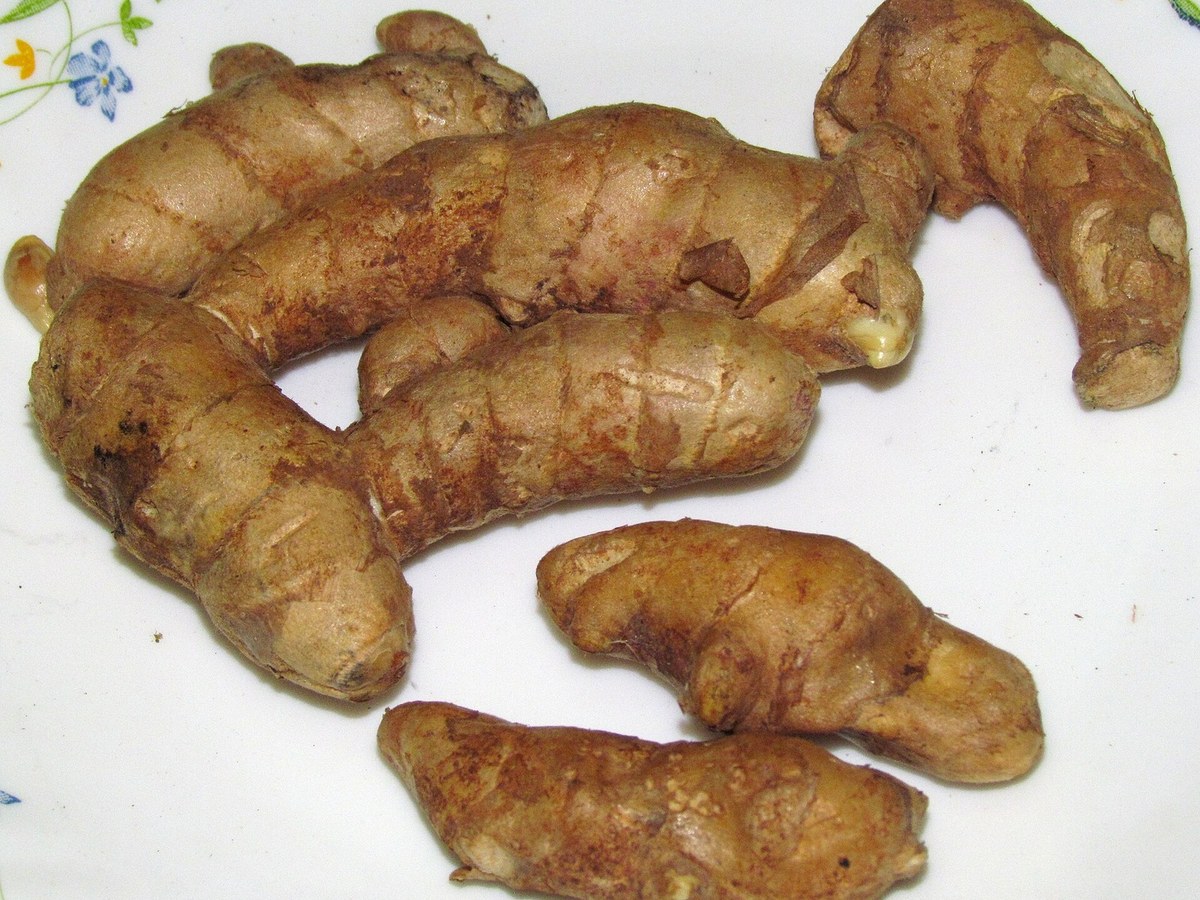
Mango Ginger (Amba Haldi)
Curcuma amada Roxb.
Bulk Mango Ginger (Curcuma amada) rhizome, dried slices and powder for pickle, spice, cosmetic and nutraceutical manufacturers sourcing from India.
- Botanical nameCurcuma amada Roxb.
- Part usedRhizome
- FamilyZingiberaceae
- Also known asAmbe Haldi, Amgandhi Haldi, Amba Halad, Mamidi Allam
- Certificate of Analysis
- Samples available
- Export documents handled
Mango Ginger is the rhizome of Curcuma amada, a turmeric relative that looks like common ginger but carries a distinctive raw-mango aroma. It is a niche but well-established spice in Indian pickle and culinary manufacturing.
Botanical identity and part used
Mango Ginger belongs to the Zingiberaceae family, the same family as turmeric and ginger, and its rhizome is externally similar to ginger in shape. The mango-like smell comes from its distinct volatile-oil profile rather than any relation to the mango fruit.
The part used in trade is the fresh or dried rhizome, sliced or powdered depending on the buyer's processing needs.
Where it grows in India
Mango Ginger is cultivated on a scattered, small-scale basis across West Bengal, Odisha, Kerala, Karnataka, Tamil Nadu, Andhra Pradesh, Gujarat and Uttar Pradesh, rather than concentrated in one dedicated growing belt. This dispersed cultivation pattern is a known feature of the crop and one reason volume and pricing data are less standardised than for mainstream spices.
The crop favours fertile, well-drained wetland soil with good sunlight, though it tolerates partial shade better than turmeric.
Harvest and processing
Rhizomes are typically planted in April and lifted seven to eight months later, once the foliage has dried back. Harvested clumps are dug out, and the rhizomes are separated, washed and cleaned of soil and root fibres.
A portion of the crop is sold fresh into the pickle trade, while the remainder is sliced and shade-dried, then milled to powder for buyers needing a shelf-stable form.
Why buyers source it
The rhizome contains curcuminoids, including curcumin, demethoxycurcumin and bisdemethoxycurcumin, at levels generally lower than true turmeric, alongside a volatile oil rich in monoterpenes and sesquiterpenes that gives the characteristic raw-mango note. Starch content is comparatively high, which affects grinding and drying behaviour.
Buyers checking quality look for firm, unshrivelled rhizomes with the characteristic aroma intact, since aroma fades with age and improper drying.
Sourcing considerations for buyers
Because organised cultivation data is limited and supply comes from many small, scattered plots rather than a concentrated belt, lot sizes and delivery timing can vary more than for a mainstream spice like turmeric or ginger. Buyers planning larger contracted volumes should build in extra lead time and confirm harvest-season availability well ahead of their production schedule.
Forms that trade
AV Biotech supplies Mango Ginger as fresh rhizome (seasonal), dried rhizome slices and milled powder. Organic-certified lots are arranged against advance contract.
Industry applications of Mango Ginger
Mango Ginger's largest use by volume remains food processing, though cosmetic and nutraceutical interest has grown alongside published phytochemical research.
Pickle and culinary manufacturing
Fresh and dried rhizome is the primary raw material for South Indian pickles and North Indian chutneys built around Mango Ginger's tart, aromatic profile. This segment values fresh aroma, firm texture and low fibre content.
Spice and flavour manufacturing
Dried slices and powder go into regional spice blends and flavouring bases where the raw-mango note is a deliberate formulation element, distinct from true turmeric's earthy profile.
Ayurvedic and Unani formulation
Classical Ayurvedic and Unani systems use Mango Ginger rhizome in digestive, appetite-stimulating and skin-related formulations, generally as part of a polyherbal preparation rather than a standalone product. Buyers in this segment usually want fresh or recently dried rhizome, since aged material loses much of the aromatic quality the formulation depends on.
Cosmetic and personal care
Rhizome extract and powder are used in some antioxidant-positioned skincare formulations, drawing on the plant's curcuminoid content, though at generally lower concentration than turmeric-based cosmetic ingredients.
Nutraceutical and research-driven formulation
A smaller but growing set of supplement brands has begun exploring Mango Ginger extract, citing published research on its diterpene and curcuminoid content, generally within blended digestive or metabolic-support formulations.
Quality pitfalls buyers should check for
Because Mango Ginger's aroma is its defining commercial trait, buyers should reject stock with faded or musty smell, which usually indicates old harvest, poor drying or long uncontrolled storage. Cross-contamination with true turmeric or common ginger rhizome at the farm-collection stage is another known issue worth checking with a visual and aroma comparison against a reference sample. A pre-shipment sample is the most reliable way to confirm both identity and freshness before a larger order is confirmed.
Common product formats
- Pickles, chutneys and ready-to-eat condiments
- Regional spice blends and marinade bases
- Ayurvedic and Unani digestive and skin-related formulations
- Antioxidant-positioned cosmetic formulations
- Emerging nutraceutical extract-based blends
Traditional use and current research
Mango Ginger is referenced in Ayurveda and Unani medicine as a digestive aid and appetite stimulant, and is traditionally described for use in biliousness, itching and skin-related complaints.
The points below describe traditional positioning and published research directions, not established medical outcomes.
Digestive traditional use
Mango Ginger has long been used in Indian households and traditional medicine as an appetiser and digestive aid, generally consumed as pickle, chutney or a fresh preparation. This remains its most widely recognised traditional application.
Skin and topical traditional use
Classical sources describe Mango Ginger paste applied for itching and certain skin conditions. Modern clinical evidence specific to this use remains limited.
Antioxidant and enzyme-inhibition research
Laboratory studies have reported antioxidant activity in Mango Ginger extracts, along with research on diterpene compounds and their effect on carbohydrate- and fat-digesting enzymes in vitro. These are early research findings rather than confirmed clinical outcomes.
Antimicrobial and anti-inflammatory research interest
Published studies describe antibacterial, antifungal and anti-inflammatory activity for Mango Ginger rhizome extracts in laboratory models. This supports continued research rather than a therapeutic claim on a finished product.
Metabolic and enzyme-related research
Studies on diterpene compounds isolated from Mango Ginger have examined their effect on enzymes involved in carbohydrate and fat digestion, an early-stage research direction relevant to metabolic-health product formulation. These findings come from laboratory and in-vitro work rather than confirmed human trials.
What buyers should note on claims
Mango Ginger's curcuminoid content is generally lower and less standardised than turmeric's, so buyers should not assume turmeric-equivalent potency or claims apply to Mango Ginger extract without their own assay and regulatory review, and any comparison between the two species should be stated explicitly rather than implied.
This information is provided for educational and B2B product-sourcing purposes only. It is not medical advice and these statements have not been evaluated by any regulatory authority. Finished-product claims are the responsibility of the manufacturer.
| Botanical name | Curcuma amada Roxb., Fam. Zingiberaceae |
|---|---|
| Part used | Rhizome (fresh, dried slices or powder) |
| Appearance | Rhizome pale yellow to cream internally, resembling ginger externally; powder pale yellow-cream |
| Odour and taste | Characteristic raw-mango aroma with a ginger-like pungency; taste mildly pungent and tart |
| Active constituents | Curcuminoids (curcumin, demethoxycurcumin, bisdemethoxycurcumin), generally at lower levels than turmeric; volatile oil rich in monoterpenes and sesquiterpenes including myrcene and epicurzerenone |
| Moisture | Not more than 12 per cent for dried slices/powder (typical trade limit) |
| Total ash | Not more than 7 per cent (typical trade limit) |
| Acid-insoluble ash | Not more than 1.5 per cent (typical trade limit) |
| Foreign matter | Not more than 1 per cent |
| Particle size | Fresh and dried slices standard; powder milled to 60 to 80 mesh on request |
| Pesticide/heavy-metal/microbial testing | Tested against EU MRL and Codex/FSSAI limits on request; microbial testing including E. coli and Salmonella available for food-grade buyers |
| Packing | Corrugated ventilated cartons or mesh bags for fresh rhizome (seasonal, short transit only); 25 kg PP or HDPE bags with inner liner for dried slices and powder |
| Shelf life | 2 to 3 weeks for fresh rhizome under cool storage; 12 to 18 months for dried slices and powder in sealed original packing |
| Note | All values are typical or indicative. Actual lot values vary with origin, season and grade, and are confirmed on the batch Certificate of Analysis |
Values are typical and indicative. A lot-specific Certificate of Analysis is shared before dispatch.
What is your minimum order quantity for Mango Ginger?
250 kg for fresh seasonal rhizome and 100 kg for dried slices or powder. For trial and formulation work we supply 1 to 2 kg paid samples, adjusted against your first commercial order.
When is fresh Mango Ginger rhizome available, and how is it shipped?
Fresh rhizome follows the harvest window a few months after the spring planting, and it is shipped in ventilated cartons for short-transit orders only, given its 2 to 3 week shelf life. For longer transit or storage, we recommend dried slices or powder.
What documentation comes with an export shipment?
Every lot ships with a batch Certificate of Analysis covering moisture, ash values and foreign matter. Export consignments also carry a phytosanitary certificate, Certificate of Origin, packing list and commercial invoice.
Can you customise particle size, drying method or packing?
Yes. We supply dried slices and powder milled to 60 or 80 mesh, and can arrange shade-drying where aroma retention is a priority. Packing can be adjusted to 25 kg bags or your own private-label sacks.
What is the typical lead time?
10 to 15 working days for stock dried slices and powder from Jaipur. Fresh rhizome orders are matched to the seasonal harvest window and should be booked in advance given the crop's scattered cultivation pattern.
Enquire about Mango Ginger (Amba Haldi)
No payment is taken here — this reaches our sourcing team directly.
Related products