Anantmool (Indian Sarsaparilla)
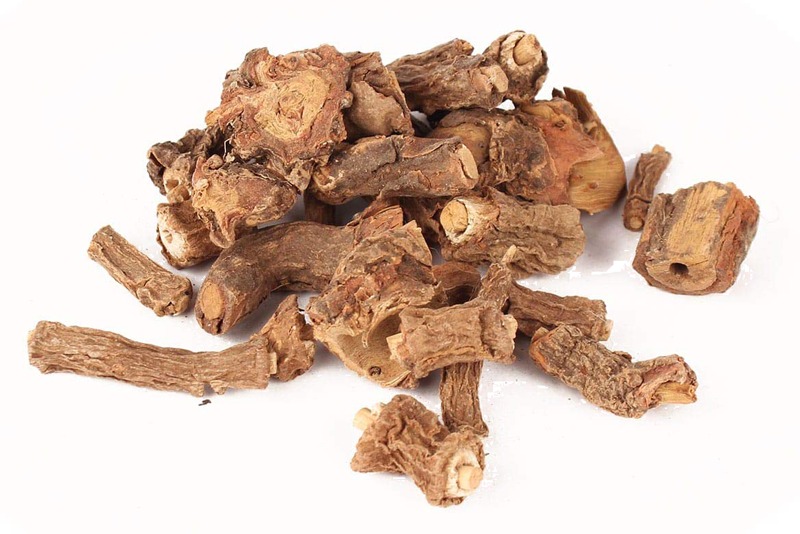
Anantmool (Indian Sarsaparilla)
Hemidesmus indicus (L.) R.Br.
Bulk Anantmool root (Hemidesmus indicus), the true Sariva of Ayurveda, in whole, cut and powder grades for pharma, nutraceutical and flavour manufacturers.
- Botanical nameHemidesmus indicus (L.) R.Br.
- Part usedRoot (dried)
- FamilyApocynaceae (classified as Asclepiadaceae in the Ayurvedic Pharmacopoeia of India)
- Also known asSariva, Sveta Sariva, Anantamul, Gopasuta, Dudhi Bel, Nannari, Sugandhi Pala, Ushba Hindi
- Certificate of Analysis
- Samples available
- Export documents handled
Anantmool, called Sveta Sariva in the Ayurvedic Pharmacopoeia of India, is the dried root of Hemidesmus indicus. It is the reference botanical source for Sariva, the sarsaparilla group of drugs used across classical Ayurvedic formulations.
Botanical identity and part used
The plant is a slender, laticiferous, twining or prostrate shrub. The Ayurvedic Pharmacopoeia of India places it in the family Asclepiadaceae, though current botanical classification treats it as part of Apocynaceae.
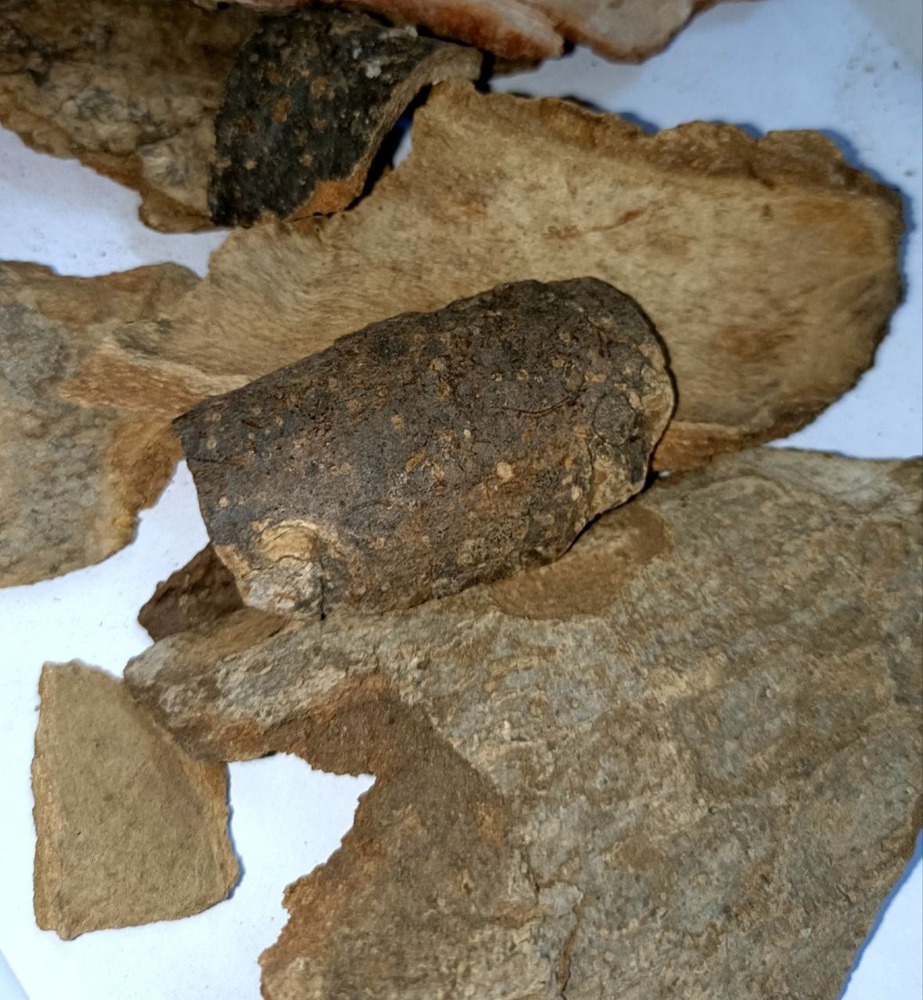
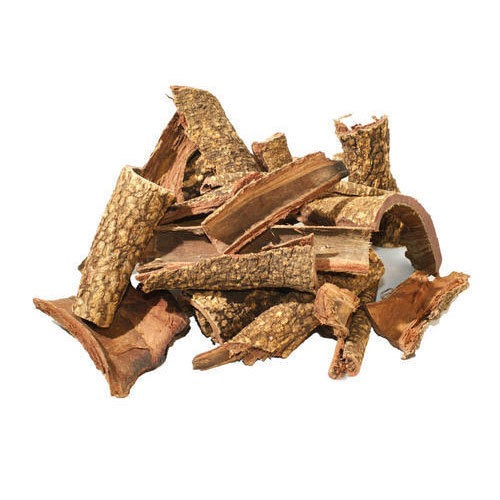
Only the dried root is the recognised pharmacopoeial drug. Roots occur as cylindrical, tortuous pieces roughly 30 cm long and 3 to 8 mm thick, dark brown outside with a mealy white cortical layer and a woody yellow centre, and carry a characteristic sweetish, mildly acrid and aromatic taste.
Where it grows in India
Hemidesmus indicus is distributed through the upper Gangetic plains eastward to Assam, and across Central, Western and Southern India up to about 600 metres elevation. Commercial supply is drawn from Madhya Pradesh, Chhattisgarh and the southern belt covering Karnataka's Malnad tract, Kerala's Wayanad district and the Tamil Nadu Nilgiris.
Both cultivated and wild-collected material move through trade, and a cultivated crop takes 12 to 18 months to reach diggable root size.
Harvest and processing
Roots are dug in the dry winter to early summer window, when moisture is lowest and root reserves are fullest. After lifting, roots are washed, cut into manageable lengths and shade or sun dried before grading.
Dried root is sold whole, cut into short pieces, or milled to powder depending on the buyer's process.
Why buyers source it, and the adulteration problem
Rising demand against a wild-collection-dependent supply base has made Anantmool a herb where correct species identity matters more than usual. Ichnocarpus frutescens, Cryptolepis buchananii and, in southern markets, Decalepis hamiltonii are all traded locally under the Sariva name and closely resemble true Hemidesmus root on sight.
Buyers who need pharmacopoeial-grade material should confirm organoleptic identity, characteristic sweetish taste and cortical structure, backed by supplier documentation, rather than relying on appearance alone.
Forms that trade
AV Biotech supplies Anantmool as whole dried root, cut and sifted root, and milled root powder, sourced and verified against the Ayurvedic Pharmacopoeia of India description for Sveta Sariva. Organic-certified lots are available against advance contract.
Industry applications of Anantmool
Anantmool moves mainly into classical Ayurvedic manufacturing, with smaller volumes into flavour and nutraceutical use.
Ayurvedic and pharmaceutical manufacturing
Sariva is a named ingredient in Sarivadyasava, one of the standard fermented Ayurvedic preparations, and in numerous churna and kwatha formulations aimed at skin, digestive and fever-related indications per classical texts. Manufacturers working to Ayurvedic Pharmacopoeia of India standards buy root-only material with documented identity, since substitute species are common in the open market.
Nutraceutical and wellness formulation
Supplement brands use root powder and extract in blood-health and skin-wellness formulations positioned around traditional Ayurvedic use, and in seasonal cooling or detox-style product lines that draw on the root's traditionally cooling classification.
Food and beverage flavouring
Hemidesmus indicus root and its extract are used to flavour sarsaparilla-style sherbets and cooling summer drinks, a long-standing regional use reflected in its Malayalam and Telugu names. Root extract is listed by the US Flavor and Extract Manufacturers Association as a recognised natural flavouring material.
Cosmetic and personal care
Formulators use root extract in skin-cooling and itch-soothing preparations, drawing on the classical Ayurvedic indications for Kandu and Kushtha-related skin conditions. Fine root powder also appears in herbal face-pack and ubtan-style blends sold on a cooling, summer-skincare positioning.
Export and traditional medicine trade
Material also moves to Sri Lanka and other South Asian traditional medicine markets, where Hemidesmus indicus root is used in comparable formulations under local names. Buyers in these markets typically request the same organoleptic and pharmacopoeial identity checks used in the Indian trade.
Sourcing and identity verification for buyers
Because Sariva is a trade name shared by several unrelated species, buyers new to this herb should request a species declaration and, where volumes justify it, an organoleptic or HPTLC comparison against the API reference description. This single check prevents the most common quality dispute in the Anantmool trade.
Common product formats
- Sarivadyasava and other classical Ayurvedic liquid preparations
- Sariva churna and polyherbal powder blends
- Root extract for cooling and skin-wellness capsules or syrups
- Natural flavour extract for sarsaparilla-style beverages
- Cosmetic extracts for skin-soothing formulations
Traditional use and current research
The Ayurvedic Pharmacopoeia of India describes Sveta Sariva as Madhura in taste, Guru and Snigdha in quality, Sita in potency and Madhura in post-digestive effect. Its classical actions are listed as Raktashodhaka, Vishaghna, Tridoshanashana, Dipana, Amanashana and Jvarahara.
These are classical Ayurvedic descriptions, not clinical claims. The notes below present traditional positioning and general research directions, not established medical outcomes.
Traditional blood and skin-health use
Sariva is classically described as Raktashodhaka, a term traditionally applied to substances used in formulations for skin and blood-related complaints. Classical texts list Kushtha and Kandu, skin disease and itching, among its therapeutic indications.
Digestive and fever-related traditional use
The pharmacopoeia lists Agnimandya, Aruchi and Atisara, poor digestion, loss of appetite and diarrhoea, and Jvara, fever, among the therapeutic uses recorded for this drug. The classical dose noted is 20 to 30 grams of the drug prepared as a decoction.
Antitoxin and antivenom research interest
The name Vishaghna, meaning antitoxic, reflects long traditional use in snakebite and poison-related folk treatment. Some published research has examined antivenom activity, though this remains an early-stage research area rather than an established use.
Cooling and seasonal wellness positioning
The Sita, or cooling, potency assigned in classical texts underlies the herb's continued use in summer sherbets and cooling wellness formulations. This is a traditional-use and flavour positioning, not a medical claim.
What buyers should note on claims
Because several unrelated species trade under the Sariva name, any traditional-use reference should be tied to confirmed Hemidesmus indicus material, not to Sariva as a generic trade term. Extract and finished-product claims should be built on correctly identified root.
This information is provided for educational and B2B product-sourcing purposes only. It is not medical advice and these statements have not been evaluated by any regulatory authority. Finished-product claims are the responsibility of the manufacturer.
| Botanical name | Hemidesmus indicus (L.) R.Br., Fam. Apocynaceae (Asclepiadaceae per API) |
|---|---|
| Part used | Dried root |
| Appearance | Cylindrical, tortuous root pieces, about 30 cm long and 3 to 8 mm thick; dark brown outside, sometimes violet-grey tinged, mealy white cortex, woody yellow centre |
| Odour and taste | Characteristic aroma; taste sweetish, slightly acrid |
| Active constituents | Essential oil, triterpenoid saponins (lupeol, lupeol acetate, beta-amyrin acetate), coumarins, tannins, sterols and glucosides; the aromatic aldehyde 2-hydroxy-4-methoxybenzaldehyde is a recognised chemical marker |
| Foreign matter | Not more than 2 per cent (API limit) |
| Total ash | Not more than 4 per cent (API limit) |
| Acid-insoluble ash | Not more than 0.5 per cent (API limit) |
| Alcohol-soluble extractive | Not less than 15 per cent (API limit) |
| Water-soluble extractive | Not less than 13 per cent (API limit) |
| Moisture | Not more than 10 per cent (typical trade limit; not a separately listed API parameter) |
| Particle size | Whole root as dug and trimmed; cut root 2 to 5 cm pieces; powder 40 to 80 mesh on request |
| Species identity check | Organoleptic and pharmacognostic confirmation recommended, since Ichnocarpus frutescens, Cryptolepis buchananii and Decalepis hamiltonii are traded locally under the same Sariva name |
| Heavy metals | Tested against AYUSH limits on request |
| Pesticide residues | Tested against EU MRL; organic lots screened on a multi-residue panel |
| Microbiology | Total plate count, yeast and mould, E. coli and Salmonella tested per lot; certificate supplied |
| Packing | 25 kg and 50 kg HDPE/PP laminated bags with food-grade LDPE inner liner |
| Shelf life | 24 months for whole and cut root, 18 months for powder, in sealed original packing |
| Note | All values are typical or indicative. Actual lot values vary with origin, season and grade, and are confirmed on the batch Certificate of Analysis |
Values are typical and indicative. A lot-specific Certificate of Analysis is shared before dispatch.
What is your minimum order quantity for Anantmool?
100 kg for milled root powder and 500 kg for whole or cut root. For trial and formulation work we supply 1 to 2 kg paid samples, and the sample cost is adjusted against your first commercial order.
How do you verify this is true Hemidesmus indicus and not a substitute species?
Anantmool is widely adulterated with Ichnocarpus frutescens, Cryptolepis buchananii and, in southern markets, Decalepis hamiltonii. We source against the API macroscopic description and can provide pharmacognostic confirmation and a species declaration with the shipment.
What documentation comes with an export shipment?
Every lot ships with a batch Certificate of Analysis covering ash values, extractives, moisture, heavy metals, pesticide residues and microbiology. Export consignments also carry a phytosanitary certificate, Certificate of Origin, packing list and commercial invoice.
Can you customise cut size, mesh or packing?
Yes. We supply whole root, cut pieces of 2 to 5 cm, and powder milled to 40, 60 or 80 mesh. Packing can be changed to 20 kg or 25 kg bags, fibre drums or your own private-label sacks.
What is the typical lead time?
10 to 15 working days for stock grades from Jaipur. Organic-certified lots and custom milling take 3 to 4 weeks. Fresh-dug material is best contracted ahead of the winter to early-summer harvest window.
Enquire about Anantmool (Indian Sarsaparilla)
No payment is taken here — this reaches our sourcing team directly.
Related products