Neem
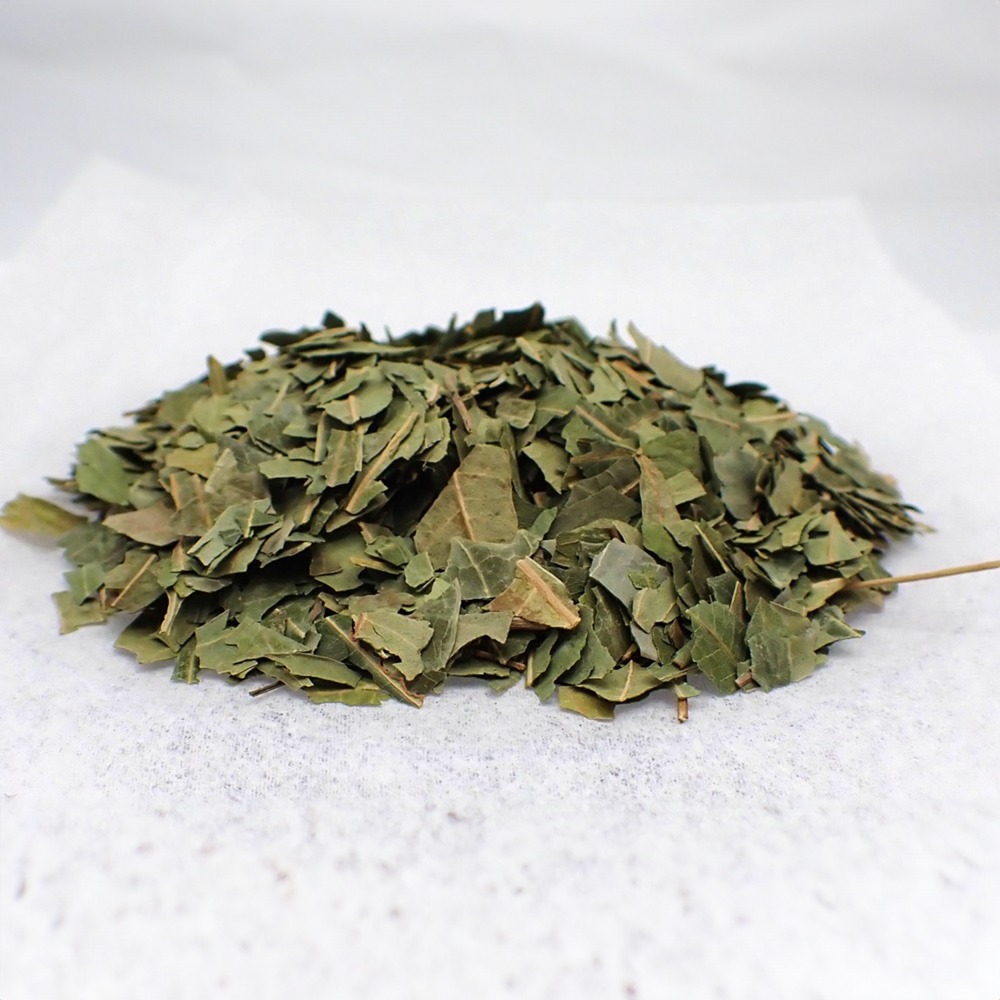
Neem
Azadirachta indica A. Juss.
Bulk neem leaf powder, seed, cold-pressed oil and cake (Azadirachta indica) for Ayurvedic, cosmetic, feed and biopesticide manufacturers sourcing from India.
- Botanical nameAzadirachta indica A. Juss.
- Part usedLeaf (primary trade grade), seed/kernel, oil, bark, de-oiled cake
- FamilyMeliaceae
- Also known asNimba, Vepu, Veppam, Bevu, Limba, Azad Dirakht, Neem Tree, Margosa Tree, Indian Neem
- Certificate of Analysis
- Samples available
- Export documents handled
Neem is the common trade name for Azadirachta indica A. Juss., a tree whose leaf, seed, bark and oil each move through a separate part of the trade. Buyers range from Ayurvedic and cosmetic formulators to biopesticide and organic-fertiliser manufacturers.
Botanical identity and part used
Neem belongs to the Meliaceae, or mahogany, family. It is a fast-growing evergreen tree, usually 12 to 20 metres tall, with pinnate leaves, small white flowers and yellow-green drupe fruit.
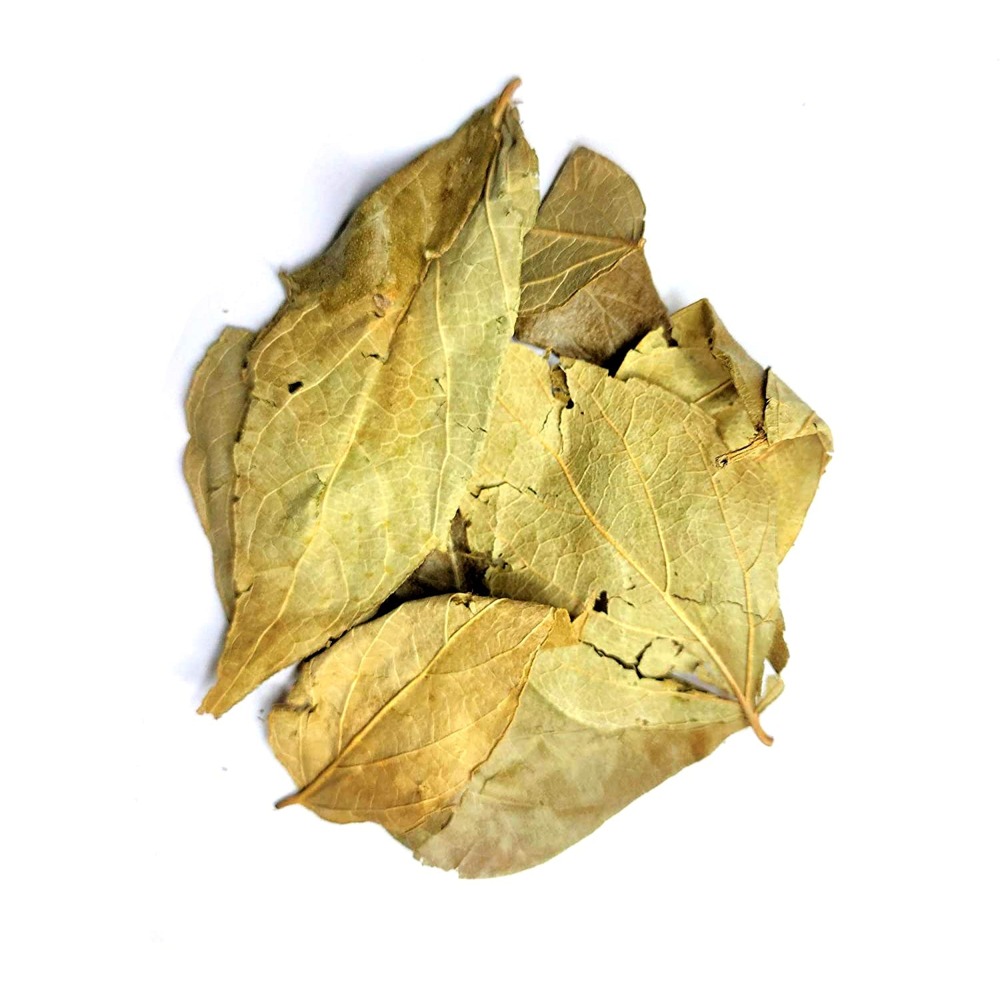
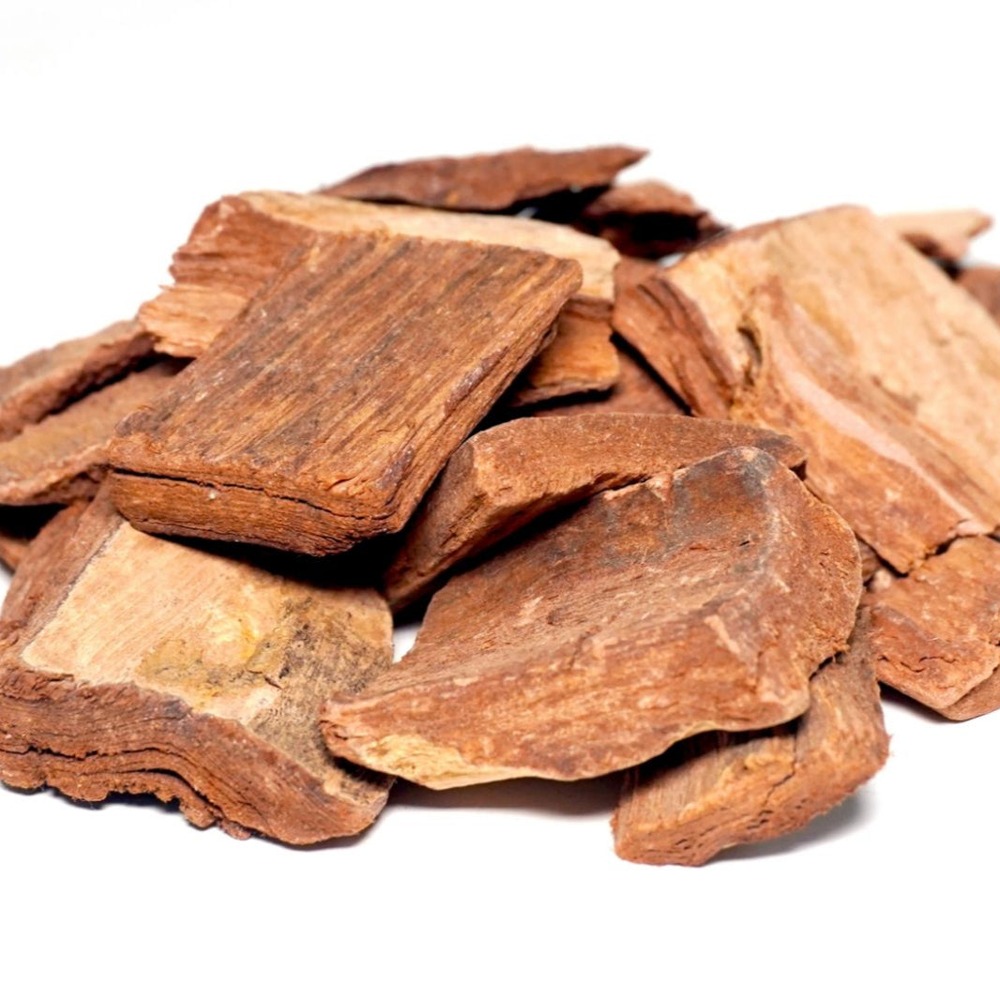
Dried leaf is the primary Ayurvedic and cosmetic trade grade. Seed, deshelled kernel, cold-pressed oil, bark and de-oiled cake are quoted as separate items, each carrying its own specification, and none substitutes for another on a purchase order.
Where it grows in India
Neem grows across most of India as a roadside, farm-boundary and avenue tree rather than as a plantation crop. Rajasthan, Tamil Nadu, Andhra Pradesh, Karnataka, Gujarat and Uttar Pradesh account for most organised commercial leaf and seed collection.
Rajasthan's dry western tracts carry a heavy natural neem population, which keeps leaf and seed collection active close to our Jaipur base for most of the year.
Harvest and processing
Leaf is hand-picked through the year, with the heaviest flush after the monsoon. It is shade or low-temperature dried, then milled and sieved to the buyer's mesh.
Fruit ripens between May and August depending on region, turning from green to yellow as it matures. Ripe fruit is collected, the pulp removed, and the seed sun-dried before decortication releases the kernel used for oil pressing.
Kernels are cold-pressed or expeller-pressed for oil. The residual press cake is dried and either milled for organic fertiliser or retained coarse as a biopesticide soil input.
Why buyers source it
Neem sits in two largely separate buyer worlds. Leaf, bark and refined oil serve Ayurvedic, pharmaceutical and cosmetic formulators working with nimbin and related limonoids. Seed kernel, crude oil and cake serve agri-input and biopesticide manufacturers working to an azadirachtin assay.
Azadirachtin is the compound behind neem's insect growth-regulating activity, and it is concentrated in the seed kernel rather than the leaf. Commercial oil and formulated biopesticides are graded and priced on azadirachtin content in ppm, commonly at 300, 1500, 3000 and 10,000 ppm.
Forms that trade
AV Biotech supplies neem leaf as whole dried leaf, cut leaf and powder from 40 to 100 mesh. Seed, deshelled kernel, cold-pressed oil at stated azadirachtin levels, dried bark and de-oiled neem cake are quoted separately against your end use.
Industry applications of Neem
Neem is one of the few Indian botanicals bought by both health-product manufacturers and agricultural-input companies, and the two buyer groups want very different material.
Biopesticide and crop-protection manufacturers
This is neem's largest-volume outlet. Seed kernel and cold-pressed oil feed emulsifiable-concentrate and wettable-powder formulations standardised on azadirachtin, commonly at 300, 1500, 3000 and 10,000 ppm.
Formulators also buy neem cake for granular soil-applied biopesticide and nematode-suppression products. Assay stability during storage, not just the initial azadirachtin figure, is what these buyers test hardest for.
Organic fertiliser and soil-input companies
De-oiled neem cake is sold as an organic manure and as a coating additive for urea, where it is used to slow nitrogen release in the soil. Buyers here specify nitrogen, phosphorus and potassium content alongside residual oil and azadirachtin.
Ayurvedic and pharmaceutical manufacturing
Leaf and bark go into classical Ayurvedic preparations, including Nimbadi Churna and various twak-roga, or skin, formulations, valued for their traditional Kapha-Pitta hara and krimighna actions. Bark extract is also a common ingredient in dental and oral-care formulations.
Nutraceutical and supplement brands
Leaf powder and leaf extract, standardised on nimbin or total bitter principles, go into blood-purifying and skin-support capsules and tablets. These buyers usually want leaf-only material with documented identity, since stem and twig content raises fibre and changes the bitterness profile.
Cosmetic and personal care
Fine leaf powder, leaf extract and refined neem oil are formulated into anti-acne face packs, neem soaps, shampoos, hair oils and antiseptic creams. Cosmetic buyers want low microbial load and a controlled, less pungent odour, which usually means a refined or deodorised oil grade rather than crude oil.
Animal health and agriculture inputs
Neem cake and leaf meal are used in poultry and livestock feed premixes at low inclusion, and in vermicompost and mulch as a natural pest-repellent soil amendment.
Common product formats
- Azadirachtin-based biopesticide concentrates and wettable powders
- Neem-coated urea and granular organic manure
- Nimbadi Churna and other classical Ayurvedic powders
- Neem leaf capsules, tablets and standardised extracts
- Neem soaps, face washes and anti-acne creams
- Hair oils, shampoos and scalp tonics
- Herbal toothpaste, tooth powder and mouthwash
- Poultry and livestock feed premixes and vermicompost inputs
Traditional use and current research
Neem holds an unusually broad place in Ayurveda, where it is known as Nimba and classed as Tikta, or bitter, and Kapha-Pitta hara. Almost every part of the tree appears in classical texts, most often for skin, oral and general cleansing use.
Skin health
Neem leaf and oil are traditionally used in Ayurveda for twak vikara, a broad category of skin conditions. Studies suggest antibacterial and antifungal activity linked to nimbin, nimbidin and related limonoids, which is why neem is common in acne-focused face washes and soaps.
Oral and dental care
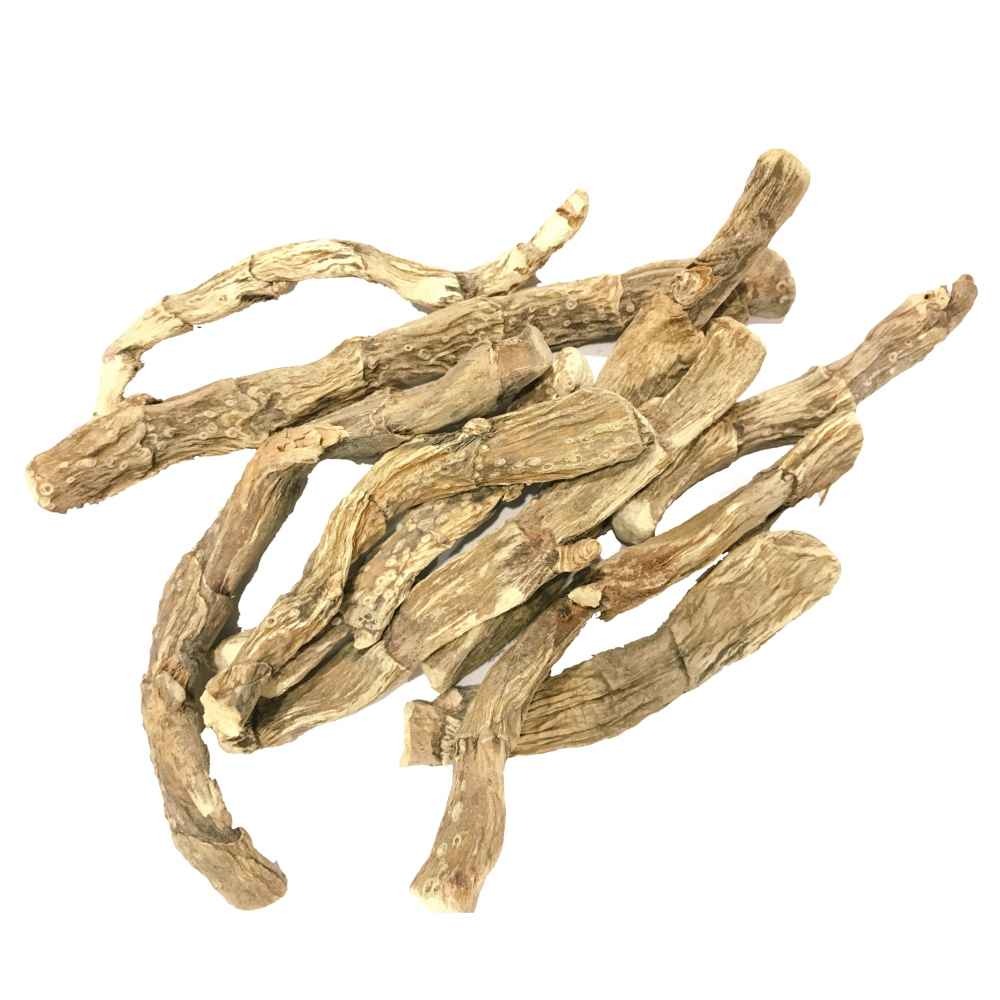
Neem twigs have been used as chewing sticks for dental cleaning for generations, and bark extract is a long-standing ingredient in oral-care formulations. Research suggests activity against common oral bacteria in laboratory studies, supporting its continued use in toothpaste and mouthwash.
General wellness and blood-purifying use
Ayurvedic practice positions neem leaf as a Rakta Shodhak, or blood purifier, and it is a common ingredient in seasonal detox and skin-clarity formulations. Brands commonly formulate leaf extract or powder into products targeting general skin clarity and seasonal wellness.
Antioxidant and general research interest
Laboratory studies suggest the flavonoid and limonoid fraction of neem leaf contributes antioxidant activity. This is an active area of published research, though most of the work remains at the cell or animal study stage rather than large human trials.
Crop and soil health, an agri-input use
On the agricultural side, azadirachtin-based formulations are registered and used in many countries as botanical insect growth regulators, and neem cake is used to build soil organic matter and slow nitrogen loss from urea. These are agronomic uses, governed by separate national biopesticide and fertiliser regulations, not medical claims.
What buyers should note on claims
Leaf, bark, seed and oil carry different constituent profiles, so a clinical or field reference based on one plant part cannot be used to support a product made from another. Confirm which plant part and which marker compound a claim is based on before it goes on a label.
This information is provided for educational and B2B product-sourcing purposes only. It is not medical advice and these statements have not been evaluated by any regulatory authority. Finished-product claims are the responsibility of the manufacturer.
| Botanical name | Azadirachta indica A. Juss., Fam. Meliaceae |
|---|---|
| Part used | Dried leaf (primary grade); seed, deshelled kernel, cold-pressed oil, bark and de-oiled cake quoted separately |
| Appearance | Leaf powder fine, olive-green to greyish-green; seed kernel cream to pale yellow; oil pale yellow to dark brown depending on extraction and refining |
| Odour and taste | Strong, characteristic sulphurous-bitter odour, more pronounced in seed, oil and cake than in leaf; taste intensely bitter |
| Active constituents (typical assay) | Limonoids including azadirachtin, nimbin, nimbidin and salannin. Azadirachtin is concentrated in seed kernel, typically 0.2-0.6% of kernel dry weight (published range approximately 0.1-1.0%); leaf carries only trace azadirachtin, with nimbin and related bitter principles as the leaf marker fraction. Commercial oil and formulated biopesticides are standardised at 300, 1500, 3000 or 10,000 ppm azadirachtin |
| Oil content (seed kernel) | Typically 40-45% by weight, cold or expeller pressed |
| Moisture | Leaf powder not more than 10%; whole seed and kernel not more than 8-10% for safe storage, since higher moisture raises aflatoxin risk |
| Total ash | Leaf powder typically 8-14% (indicative; varies with soil and collection site) |
| Acid-insoluble ash | Not more than 3% (typical trade limit, leaf powder) |
| Foreign matter | Not more than 2%; twig and petiole content controlled at sieving |
| Particle size | Whole and cut leaf; powder at 40, 60, 80 and 100 mesh to order. Seed supplied whole or deshelled; cake supplied as coarse granules or milled powder |
| Pesticide residues | Tested against buyer-nominated panel; EU MRL or organic multi-residue screen available on request |
| Heavy metals | Lead NMT 10 ppm, Arsenic NMT 3 ppm, Cadmium NMT 0.3 ppm, Mercury NMT 1 ppm (AYUSH limits, leaf and bark grades) |
| Microbiology | Total plate count NMT 100,000 cfu/g, Yeast and mould NMT 1,000 cfu/g, E. coli and Salmonella absent (leaf, bark and cake grades) |
| Packing | 25 kg HDPE/PP laminated bags with LDPE liner for leaf powder and neem cake; jute or woven HDPE bags for whole seed; HDPE or lined MS drums for oil |
| Shelf life | 24 months for leaf powder and dried bark; 12 months for whole seed; 12-18 months for oil, in sealed, opaque containers away from heat |
Values are typical and indicative. A lot-specific Certificate of Analysis is shared before dispatch.
What is your minimum order quantity for neem products?
100 kg for leaf powder, 500 kg for whole or cut leaf and whole seed, 50 kg for cold-pressed oil and 1 MT for neem cake. Paid samples of 250 g to 1 kg are supplied for leaf and seed grades, adjusted against your first commercial order.
What documentation comes with an export shipment?
Every lot ships with a batch Certificate of Analysis covering the relevant assay, moisture, ash, heavy metals and microbiology. Export consignments also carry a phytosanitary certificate, Certificate of Origin, packing list and commercial invoice, with an organic transaction certificate where applicable.
Can you customise mesh size, azadirachtin grade or packing?
Yes. Leaf is milled to 40, 60, 80 or 100 mesh, oil is supplied at a buyer-specified azadirachtin ppm such as 300, 1500, 3000 or 10,000, and neem cake can be supplied coarse or finely milled. Packing can be changed to your preferred bag or drum size, or your own private-label sacks.
What is the typical lead time, and does supply vary by season?
7 to 12 working days for stock leaf and cake grades from Jaipur. Seed and oil supply is tightest outside the May to August fruiting season, so buyers running a fixed azadirachtin-ppm oil programme should contract ahead of season. Organic-certified leaf lots take 3 to 4 weeks.
What quality tests apply, and what is the shelf life of neem leaf and oil?
Leaf powder is tested for moisture, ash, heavy metals, pesticide residues and microbiology, and holds for 24 months in sealed packing. Oil and seed kernel are tested primarily for azadirachtin content and are best used within 12 to 18 months, since azadirachtin degrades faster under heat and light than most leaf constituents.
Enquire about Neem
No payment is taken here — this reaches our sourcing team directly.
Related products