Babool
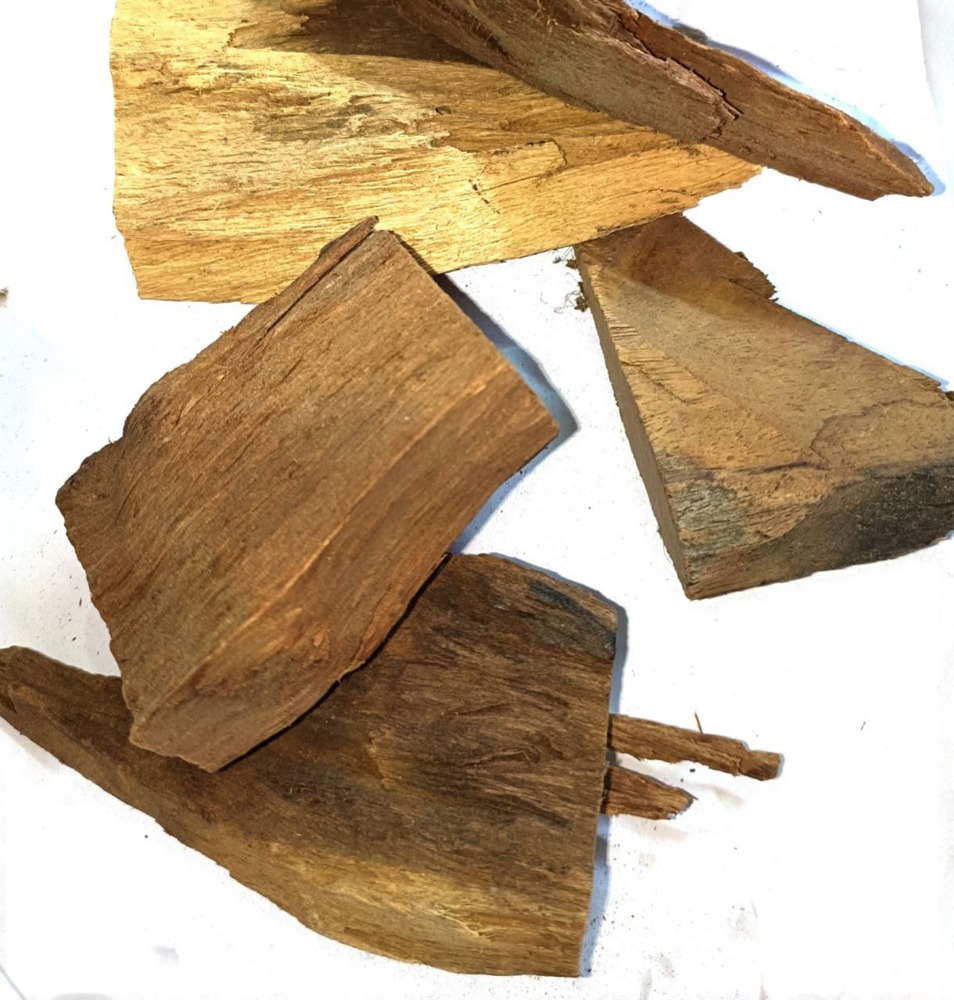
Babool
Acacia nilotica (L.) Delile (syn. Acacia arabica Willd., Vachellia nilotica)
Bulk Babool bark, pods and gum (Acacia nilotica) from India for tanning, Ayurvedic, gum-trade and animal-feed buyers. Grade-specific lots, quote on enquiry.
- Botanical nameAcacia nilotica (L.) Delile (syn. Acacia arabica Willd., Vachellia nilotica)
- Part usedStem bark, pods (fruit) and gum exudate, traded as three separate commodities
- FamilyFabaceae (Mimosoideae)
- Also known asBabul, Kikar, Vedi Babul, Karivelam, Thorn Mimosa
- Certificate of Analysis
- Samples available
- Export documents handled
Babool is the common trade name for Acacia nilotica, a thorny leguminous tree that supplies three distinct commercial commodities from the same plant: astringent bark, tannin-rich pods, and a gum exudate sold as Indian gum arabic. Buyers should specify which part they need, since each moves through a different industry.
Botanical identity and parts used
Acacia nilotica belongs to the Fabaceae family, subfamily Mimosoideae, and is a medium-sized thorny tree widely known by its older synonym Acacia arabica and its current accepted name Vachellia nilotica. The tree produces dark, rough-fissured bark, feathery bipinnate leaves, and characteristically twisted, moniliform (bead-like constricted) pods.
Stem bark and pods are collected from mature standing trees and are the main pharmaceutical and tanning-trade commodities. Gum exudes naturally from bark wounds or incisions and is collected separately as hardened tears.
Where it grows in India
Babool is one of the most widely distributed trees of arid and semi-arid India, common across Rajasthan, Gujarat, Haryana, Punjab and the drier tracts of the Deccan. It tolerates poor, saline and waterlogged soils and is a familiar tree of wastelands, canal banks and village commons rather than a plantation crop.
Harvest and processing
Bark is stripped from mature trunks and branches through the year, though winter-collected bark is preferred for tannin stability. Pods are gathered when fully mature and turning brown, generally between February and April, then sun dried and either kept whole or crushed.
Gum is tapped by making shallow incisions in the bark during the hot, dry pre-monsoon months, when exudation is highest; the hardened tears are hand-picked, cleaned of bark fragments, and graded by colour and clarity.
Why buyers source it
The bark and pods are valued for a high tannin content, commonly cited in the 12 to 20 per cent range for bark and pod material and higher again once seed is removed from the pod, which makes Babool one of the standard vegetable-tanning materials in the Indian leather industry. The same tannin-rich, astringent profile is the basis of its classical Ayurvedic use.
The gum, sometimes marketed as Indian gum arabic, is chemically related to true gum arabic from Acacia senegal but is generally treated as a lower grade, cost-effective substitute for industrial adhesive, sizing and lower-tier pharmaceutical excipient use rather than as a direct food-emulsifier replacement.
Forms that trade
AV Biotech supplies Babool as cut and powdered stem bark, whole and crushed pods, and cleaned gum tears or gum powder. Each is quoted and packed separately according to the buyer's intended industry.
Industry applications of Babool
Babool's three commodities, bark, pod and gum, serve different buyer groups, and mixing them up in a purchase order is the most common sourcing error.
Leather and tanning industry
Vegetable tanneries are the largest single consumer of Babool bark and pod, using the tannin content to convert raw hide into leather. Buyers here specify tannin percentage and moisture rather than pharmacopoeial grade, and pod material with seed removed is preferred for its higher tannin concentration.
Ayurvedic and pharmaceutical manufacturing
Ayurvedic manufacturers buy stem bark for kashaya, churna and gargle formulations used in traditional astringent and digestive-support preparations. The Ayurvedic Pharmacopoeia of India lists stem bark for traditional use in loose motions and intestinal worm conditions, and buyers in this segment want bark-only material free of admixed wood or other Acacia species.
Gum trade
Adhesive, textile-sizing, printing-ink and lower-cost pharmaceutical binder manufacturers buy cleaned gum tears or milled gum powder as an Indian-origin alternative to imported Sudan gum arabic. Food-grade emulsifier buyers should not assume interchangeability with Acacia senegal gum without their own compatibility testing.
Cosmetic and personal care
Bark and pod extracts, valued for their tannin and polyphenol content, appear in astringent toners, gum-and-tooth care powders and some hair-care formulations aimed at an oily-skin or scalp-astringent positioning.
Animal feed and veterinary use
Babool pods are a long-established supplementary fodder in dry-region livestock feeding, and coarse bark and pod material also finds use in veterinary Ayurvedic tonics.
Common product formats
- Tannery-grade bark and pod, whole or powdered
- Ayurvedic kashaya, churna and gargle formulations
- Cleaned gum tears and milled gum powder for adhesive and sizing use
- Astringent toners and dental-care powder bases
- Livestock feed supplement pods
Traditional use and current research
Ayurveda classifies Babool bark as Kashaya, meaning astringent, and Grahi, meaning absorbent or binding, properties that underlie its traditional use in loose motions and general gut-astringent formulations. The Ayurvedic Pharmacopoeia of India records traditional use of the stem bark in acute diarrhoea and in intestinal worm infestation.
The notes below describe traditional positioning and general phytochemical findings, not established medical outcomes.
Digestive and astringent use
Bark decoctions are traditionally used for their astringent, gut-binding effect in mild diarrhoeal conditions. This traditional use rests on the bark's high tannin and polyphenol content rather than on a single studied active compound.
Oral and dental care
Babool twigs have a long folk history as a chewing stick, or datun, for dental hygiene, and bark decoctions are used traditionally as a gargle for mouth and throat irritation. This traditional practice again reflects the astringent, tannin-driven action of the bark.
Wound and skin astringency
Bark and pod preparations are used traditionally as a topical astringent wash, consistent with the tannin content's protein-binding, drying action on tissue.
General phytochemical interest
Published phytochemical work has characterised tannins, flavonoids, saponins and alkaloids across bark, pod and leaf, and small studies have examined antioxidant and antimicrobial activity of these extracts. This is largely preliminary laboratory work rather than clinical evidence.
What buyers should note on claims
Because Babool's traditional and researched activity is tied closely to tannin content, any finished-product claim should reference the tannin assay of the specific bark or pod lot used, since tannin percentage varies meaningfully with collection season and plant part.
This information is provided for educational and B2B product-sourcing purposes only. It is not medical advice and these statements have not been evaluated by any regulatory authority. Finished-product claims are the responsibility of the manufacturer.
| Botanical name | Acacia nilotica (L.) Delile, syn. Acacia arabica Willd., Vachellia nilotica, Fam. Fabaceae |
|---|---|
| Part used | Stem bark, pods (fruit) and gum exudate, quoted as separate commodities |
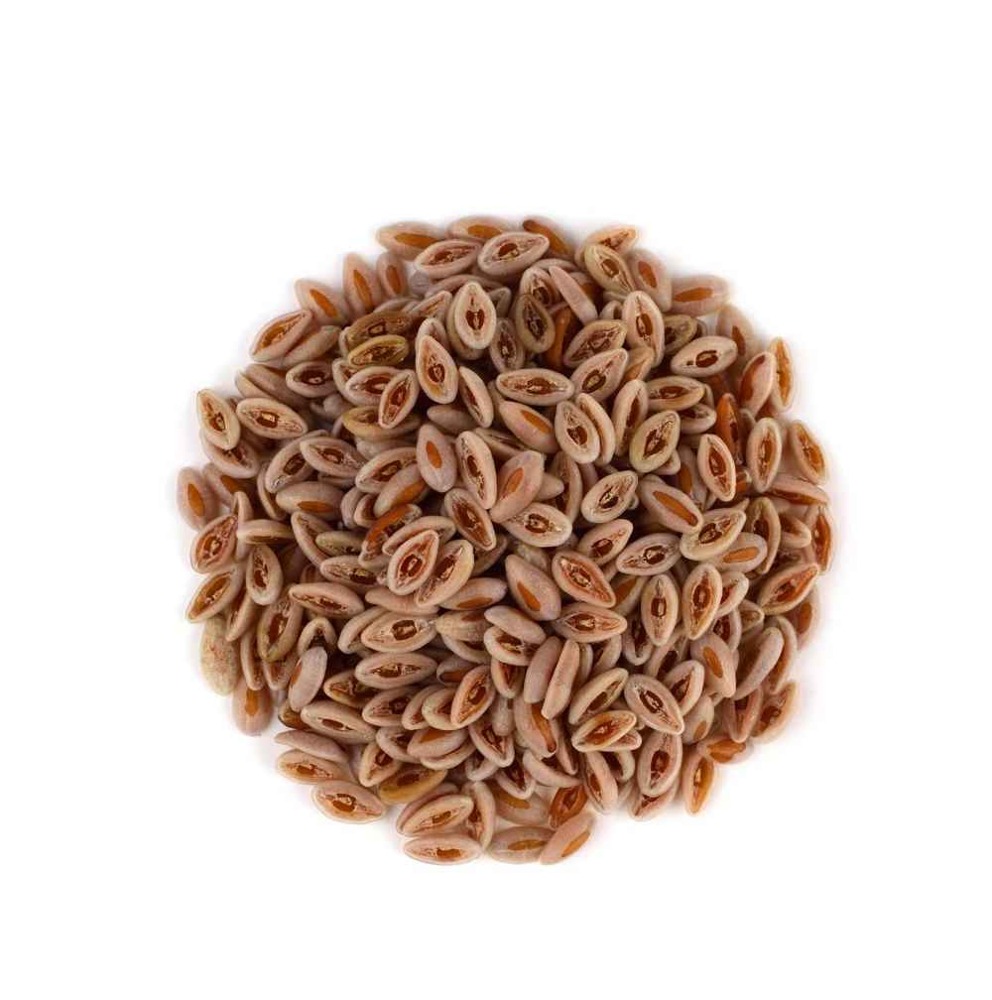
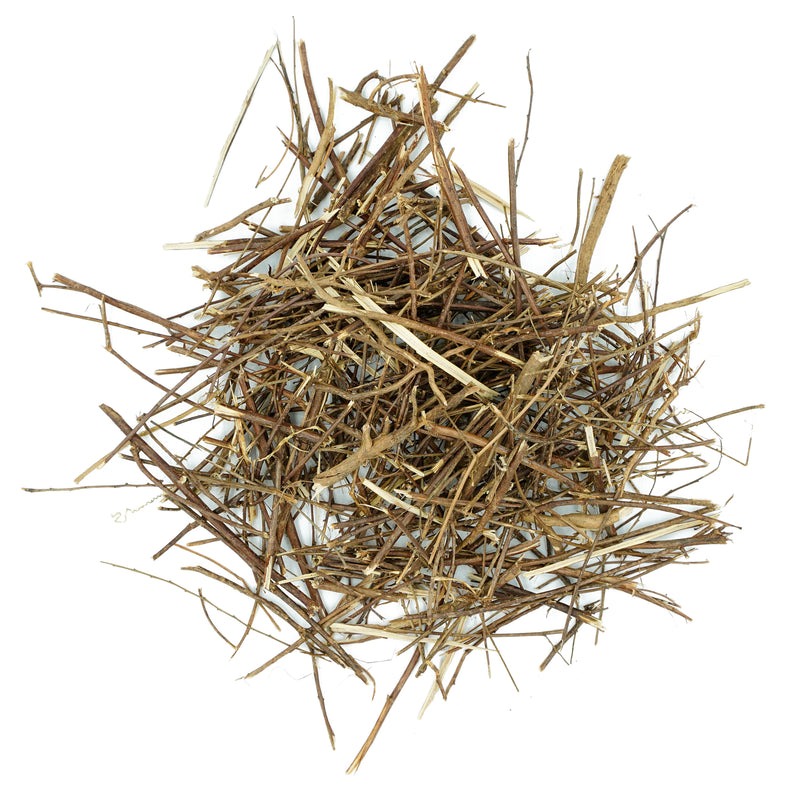
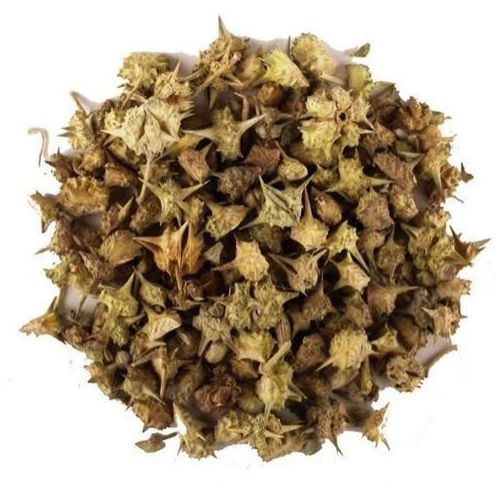
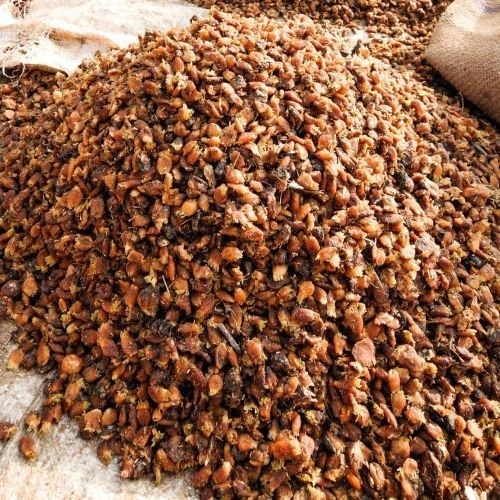
| Appearance | Bark: dark brown to blackish, rough and fissured pieces or coarse powder. Pods: brown, moniliform, whole or crushed. Gum: pale yellow to reddish-brown hardened tears or milled powder |
| Active constituents | Condensed and hydrolysable tannins, typically 12 to 20 per cent in bark and pod material (higher in deseeded pod); gum composed mainly of galactose, arabinose and aldobiuronic-acid based polysaccharides |
| Tannin assay | Confirmed by lot on the Certificate of Analysis; buyers with a target tannin percentage should specify it at enquiry stage |
| Moisture | Bark and pod not more than 10 per cent; gum not more than 12 per cent (typical trade limits) |
| Total ash | Not more than 8 per cent for bark and pod (typical trade limit) |
| Acid-insoluble ash | Not more than 2 per cent for bark and pod (typical trade limit) |
| Foreign matter | Not more than 2 per cent; gum free of bark fragments and visible dirt |
| Particle size | Whole and cut bark/pod standard; powder to 40 or 60 mesh on request; gum supplied as tears or milled to buyer's mesh |
| Insoluble matter (gum) | Checked for undissolved residue and adulteration with other gums or starch fillers |
| Pesticide/heavy-metal/microbial testing | Heavy metals per AYUSH limits and microbiological testing (total plate count, yeast and mould, E. coli, Salmonella) available on request for pharmaceutical-grade lots |
| Packing | 25 kg or 50 kg HDPE/PP bags with inner liner for bark and pod; gum packed in 25 kg bags or as per buyer specification |
| Shelf life | 24 to 36 months for bark and pod; gum stable indefinitely if kept dry, 36 months nominal shelf life in sealed packing |
| Note | All values are typical or indicative. Actual lot values vary with part, origin, season and grade, and are confirmed on the batch Certificate of Analysis |
Values are typical and indicative. A lot-specific Certificate of Analysis is shared before dispatch.
What is your minimum order quantity for Babool?
500 kg for bark or pod and 100 kg for gum. Smaller paid samples of 1 to 2 kg are available for tannin or gum-quality trials before a commercial order.
Can you confirm the tannin percentage before I order bark or pod?
Yes. We test tannin content on the specific lot and share the figure with the pre-shipment sample. Tannin percentage varies with collection season and whether pod is supplied whole or deseeded, so we recommend confirming it against your own tanning process.
Is your Babool gum comparable to Sudan gum arabic (Acacia senegal)?
It is chemically related but generally treated in the trade as a lower-cost substitute for industrial adhesive, sizing and binder use, not a direct drop-in replacement for food-grade Acacia senegal gum arabic. We recommend your own compatibility testing for food applications.
What documentation comes with an export shipment?
Every lot ships with a batch Certificate of Analysis, including tannin assay where relevant. Export consignments also carry a phytosanitary certificate, Certificate of Origin, packing list and commercial invoice.
What is the typical lead time?
7 to 12 working days for stock bark and pod from Jaipur. Gum sourcing and larger tannery-scale volumes typically take 2 to 3 weeks, and pod supply is best contracted around the February to April harvest window.
Enquire about Babool
No payment is taken here — this reaches our sourcing team directly.
Related products