Bala
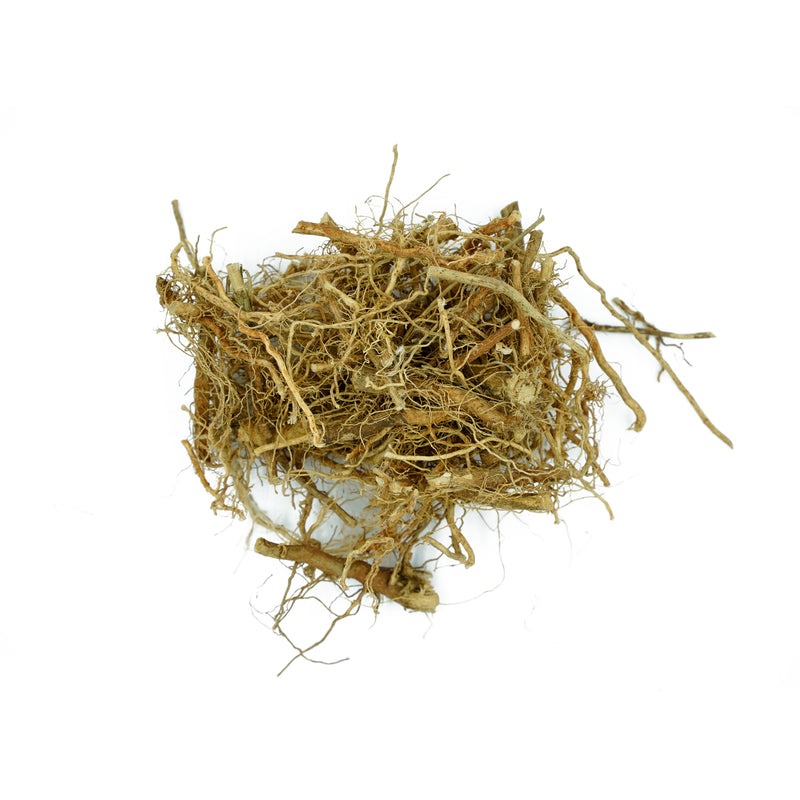
Bala
Sida cordifolia L.
Bulk Bala root (Sida cordifolia) for Ayurvedic manufacturers, supplied with the ephedrine-content disclosure export buyers need before ordering.
- Botanical nameSida cordifolia L.
- Part usedRoot (Balamoola, primary trade grade), whole plant
- FamilyMalvaceae
- Also known asBariyar, Khareti, Kungiyam, Balbeej (seed), Chikana
- Certificate of Analysis
- Samples available
- Export documents handled
Bala is the dried root of Sida cordifolia, a Malvaceae shrub used across classical Ayurvedic formulations for strength-promoting and Vata-balancing preparations. It is one of the herbs in this catalogue where a regulatory disclosure matters as much as the botanical description.
Botanical identity and part used
Sida cordifolia is a small, downy, perennial undershrub with heart-shaped leaves, distinct from the related Abutilon indicum, which is also called country mallow in some regional sources. Buyers should confirm the Latin binomial on their purchase order, since the two species are sometimes conflated under shared English common names.
The root, known in trade as Balamoola, is the officinal part used in most classical formulations. Whole plant material is traded separately and carries a different alkaloid profile from root alone.
Where it grows in India
Bala is widely distributed across the tropical and subtropical plains of India, growing along roadsides, field margins and open forest edges in arid and semi-arid soils. It is not concentrated in a single cultivation belt and is instead collected across peninsular India, with additional traditional use recorded in the Himalayan foothill states.
Harvest and processing
The plant flowers between August and December, with fruiting continuing into January. Roots are conventionally dug at the end of the monsoon season, when alkaloid content is reported to peak, then washed, cut and sun dried to a stable moisture level before milling.
An important regulatory note for export buyers
Sida cordifolia root contains ephedrine-type alkaloids, chiefly ephedrine and pseudoephedrine, generally reported in the range of 0.1 to 0.3 per cent in dried root, with seed typically carrying the highest concentration among plant parts. This is markedly lower than in true ephedra, but it is not negligible.
Since 2004 the United States Food and Drug Administration has explicitly named Sida cordifolia among the ephedrine-alkaloid-containing botanicals banned from dietary supplement products, and several other markets, including Canada, apply similar restrictions on ephedrine-alkaloid ingredients. Buyers intending to import Bala root for supplement, food or beverage use must verify their destination country's current rules before placing an order; use in classical Ayurvedic pharmaceutical products within India follows a different regulatory framework.
Forms that trade
AV Biotech supplies Bala as whole dried root, cut and sifted root, and milled root powder. Whole-plant cut material is offered as a separate line item.
Industry applications of Bala
Bala moves mainly through Ayurvedic manufacturing within India. Export buyers in supplement, food and beverage categories must clear the ephedrine-alkaloid restriction in their own market before this herb can be considered for those uses.
Ayurvedic and pharmaceutical manufacturing
Classical Ayurvedic units buy cut root and coarse powder for Balarishta, Bala Taila, Narayan Taila and Dashmoola-based kwatha and churna preparations. Bala is one of the Laghu Panchamoola roots within Dashmoola, traded alongside Atibala, Shalaparni, Prishnaparni and Gokshura.
These buyers are generally licensed Ayurvedic manufacturers working within India's domestic regulatory framework for classical formulations, which is distinct from the dietary-supplement rules applied in markets such as the United States.
Nutraceutical and supplement brands
Demand from supplement brands is limited and market-dependent given the ephedrine-alkaloid restriction. Buyers in markets without such a restriction should still confirm current local rules, since regulatory positions on ephedrine-alkaloid botanicals have shifted over time and vary by country.
Cosmetic and personal care
Root mucilage supports use in hair oils and scalp treatments, generally formulated by buyers already familiar with the herb's alkaloid profile and comfortable with topical, non-ingested application.
Veterinary use
Coarse root powder is used in veterinary Ayurvedic tonics within India, generally at lower cost grades than pharmaceutical-facing material.
Segments this herb does not serve
Given the regulatory position in major supplement markets, Bala root is not a routine ingredient for mainstream international food, beverage or sports-nutrition formulation, and buyers targeting those categories in restricted markets should look to alternative Vata-support herbs.
Common product formats
- Balarishta and Bala Taila classical Ayurvedic formulations
- Dashmoola-based kwatha and churna preparations
- Narayan Taila and related compound oils
- Hair oils and scalp treatments (topical use)
- Veterinary tonics within India's domestic market
Traditional use and current research
Ayurveda classifies Bala as Balya, meaning strength-promoting, and Brimhana, meaning nourishing or building. It is grouped among the Laghu Panchamoola roots within Dashmoola and is traditionally used in Vata-related weakness and general debility.
The following notes describe traditional positioning and the regulatory findings buyers must weigh, not established medical outcomes.
Traditional strength and Vata support
Classical texts describe Bala as a general Vata-pacifying, strength-supporting root, most often used within compound decoctions like Dashmoola rather than as a standalone extract. This traditional use is long-standing within India's Ayurvedic system.
Respiratory traditional use
Sida cordifolia has a traditional history of use in respiratory discomfort, a use plausibly linked to its ephedrine-type alkaloid content, since ephedrine and pseudoephedrine are recognised bronchodilator compounds at appropriate pharmaceutical doses. This traditional use does not equate to an approved respiratory drug claim for raw root material.
The alkaloid content buyers must account for
Bala root's ephedrine and pseudoephedrine content, while much lower than that of true ephedra, is the basis of the ingredient restrictions described in the sourcing section above. Any claim referencing stimulant, thermogenic or bronchodilator activity should be evaluated against this alkaloid content and against the destination market's specific rules on ephedrine-alkaloid ingredients, not treated as a routine botanical positioning.
General tonic and wound-care use
Root and whole-plant preparations are used traditionally as a general tonic and, topically, in wound and skin care, reflecting the plant's demulcent mucilage content alongside its alkaloid fraction.
What buyers should note on claims
Given the alkaloid content and its documented regulatory history, finished-product claims involving Bala root should be built with legal and regulatory review specific to the country of sale, not assumed from general Ayurvedic literature alone.
This information is provided for educational and B2B product-sourcing purposes only. It is not medical advice and these statements have not been evaluated by any regulatory authority. Finished-product claims are the responsibility of the manufacturer.
| Botanical name | Sida cordifolia L., Fam. Malvaceae |
|---|---|
| Part used | Dried root (Balamoola, root-only grade); whole plant quoted separately |
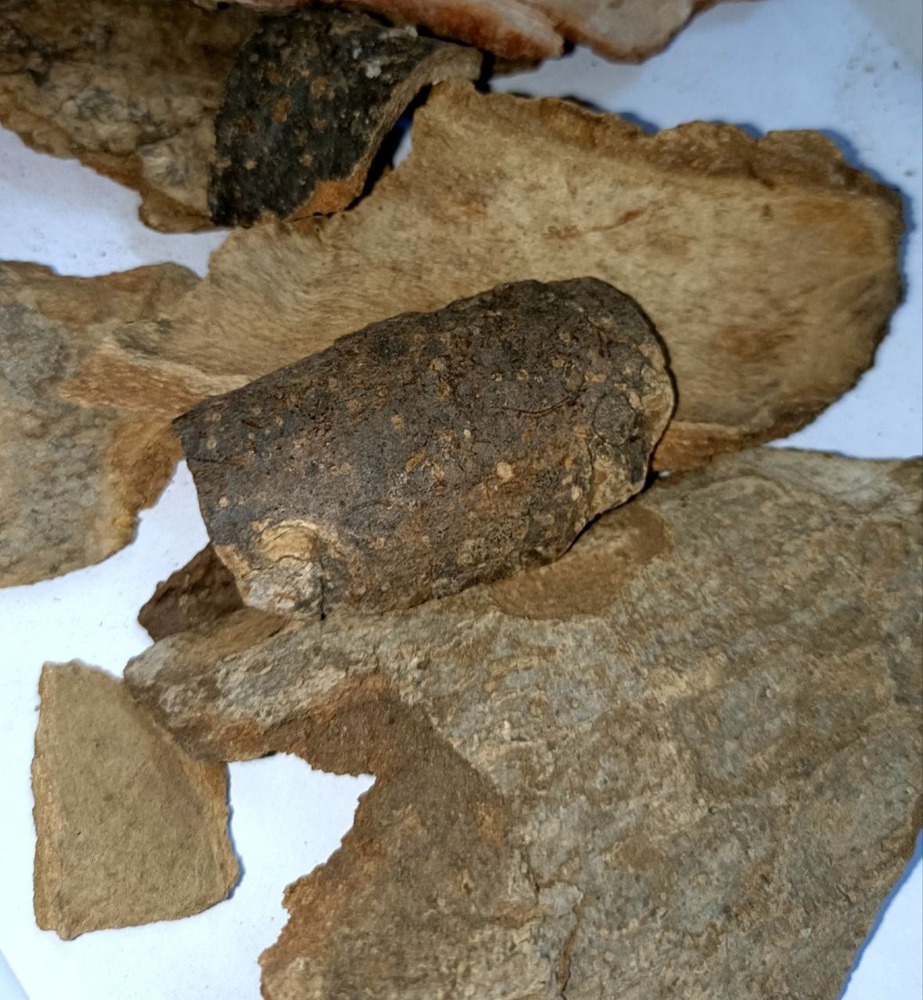
| Appearance | Pale yellowish-grey to light brown root pieces, fibrous; powder off-white to light beige |
| Odour and taste | Mild, mucilaginous; taste bland to slightly bitter |
| Active constituents | Ephedrine-type alkaloids (ephedrine, pseudoephedrine and related bases), typically reported at 0.1 to 0.3 per cent in dried root; also mucilage, tannins, saponins and flavonoids |
| Regulatory note | Ephedrine-alkaloid content restricts or prohibits use in dietary supplement, food and beverage products in the United States, Canada and other markets; buyers must verify destination-market rules before ordering for these uses |
| Moisture | Not more than 10 per cent (typical trade limit) |
| Total ash | Not more than 9 per cent (typical trade limit) |
| Acid-insoluble ash | Not more than 2 per cent (typical trade limit) |
| Foreign matter | Not more than 2 per cent (typical trade limit) |
| Particle size | 60 to 80 mesh standard for powder; whole and cut grades for decoction use; custom mesh on request |
| Pesticide/heavy-metal/microbial testing | Heavy metals per AYUSH limits; microbiological testing (total plate count, yeast and mould, E. coli, Salmonella) available on request; alkaloid assay by HPLC available on request |
| Packing | 25 kg HDPE or PP laminated bags with food-grade LDPE inner liner; 50 kg for whole and cut root |
| Shelf life | 24 months for powder, 36 months for whole dried root, in sealed original packing |
| Note | All values are typical or indicative. Actual lot values vary with origin, season and grade, and are confirmed on the batch Certificate of Analysis |
Values are typical and indicative. A lot-specific Certificate of Analysis is shared before dispatch.
What is your minimum order quantity for Bala?
100 kg for milled root powder and 500 kg for whole or cut root. Paid samples of 1 to 2 kg are available for evaluation, adjusted against your first commercial order.
Can Bala root be imported into the United States or Canada for supplement use?
Generally no. Both markets restrict or prohibit dietary supplement products containing the ephedrine-type alkaloids found in Sida cordifolia. Confirm your specific destination country's current rules before ordering for supplement, food or beverage use; classical Ayurvedic pharmaceutical use within India follows a different framework.
What is the alkaloid content of your Bala root, and can you test it?
Reported ranges in the literature run from 0.1 to 0.3 per cent ephedrine-type alkaloids in dried root. We can arrange HPLC alkaloid assay on a specific lot on request so you can confirm the figure against your own regulatory review.
What documentation comes with an export shipment?
Every lot ships with a batch Certificate of Analysis covering moisture, ash values and, on request, alkaloid content. Export consignments also carry a phytosanitary certificate, Certificate of Origin, packing list and commercial invoice.
What is the typical lead time?
7 to 12 working days for stock grades from Jaipur. Post-monsoon harvest season from around September gives the freshest root, and larger contracted volumes are best booked around that window.
Enquire about Bala
No payment is taken here — this reaches our sourcing team directly.
Related products