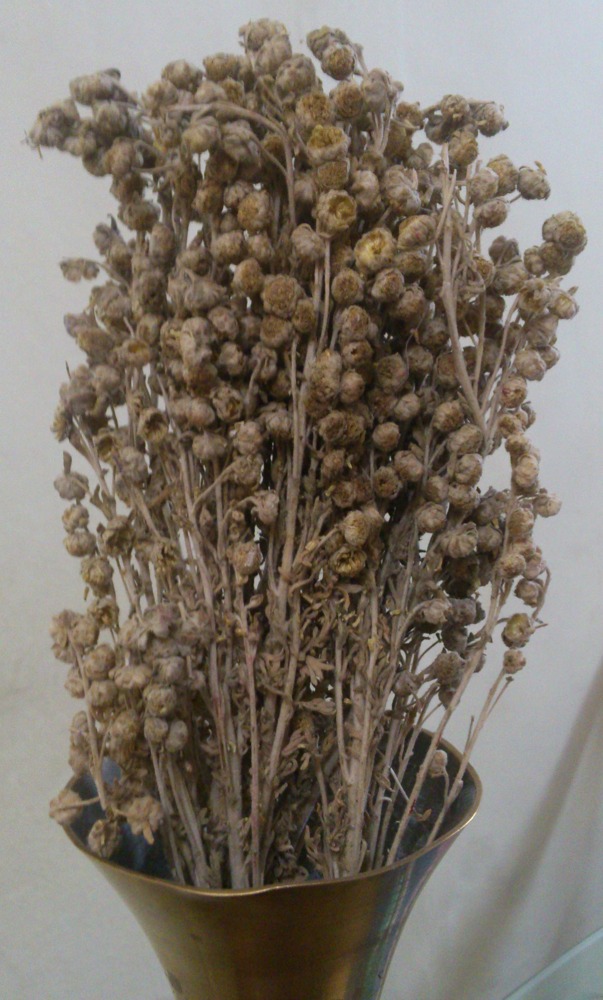
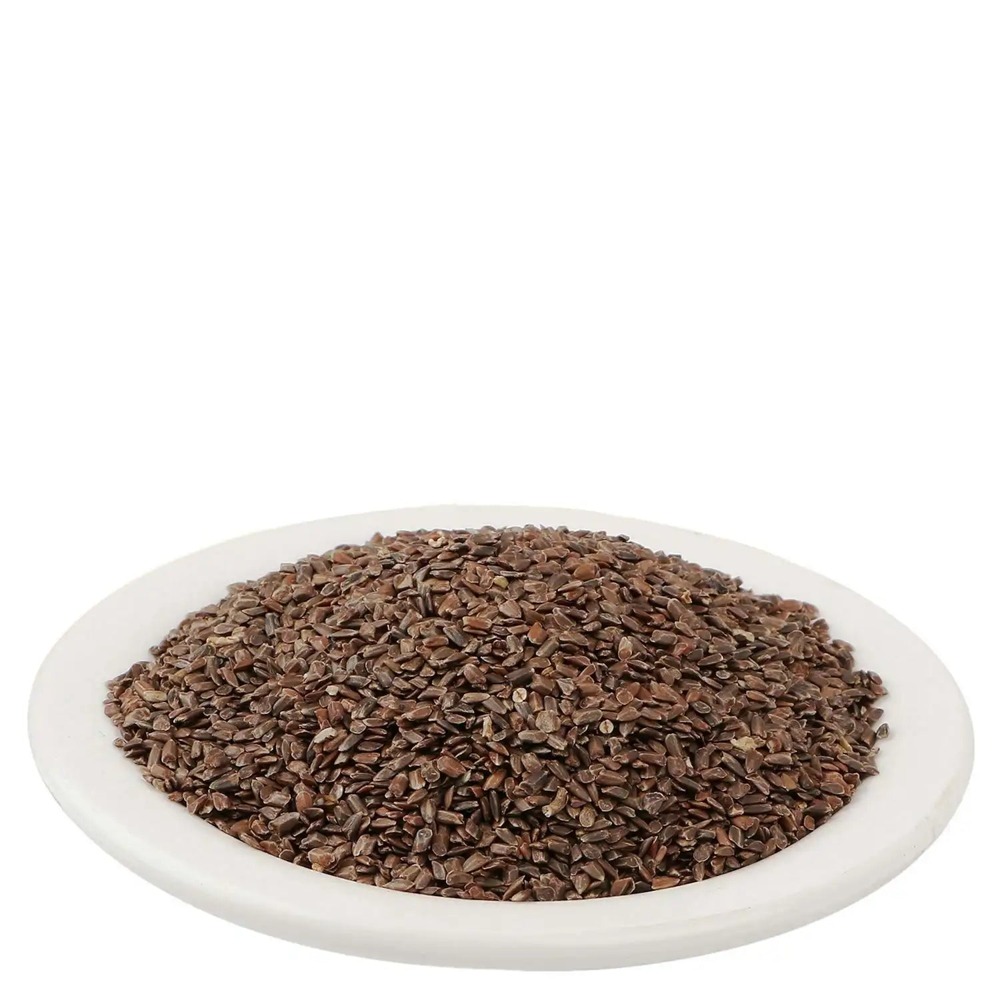
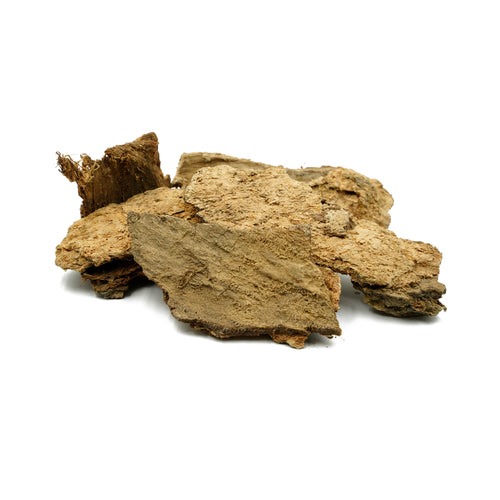
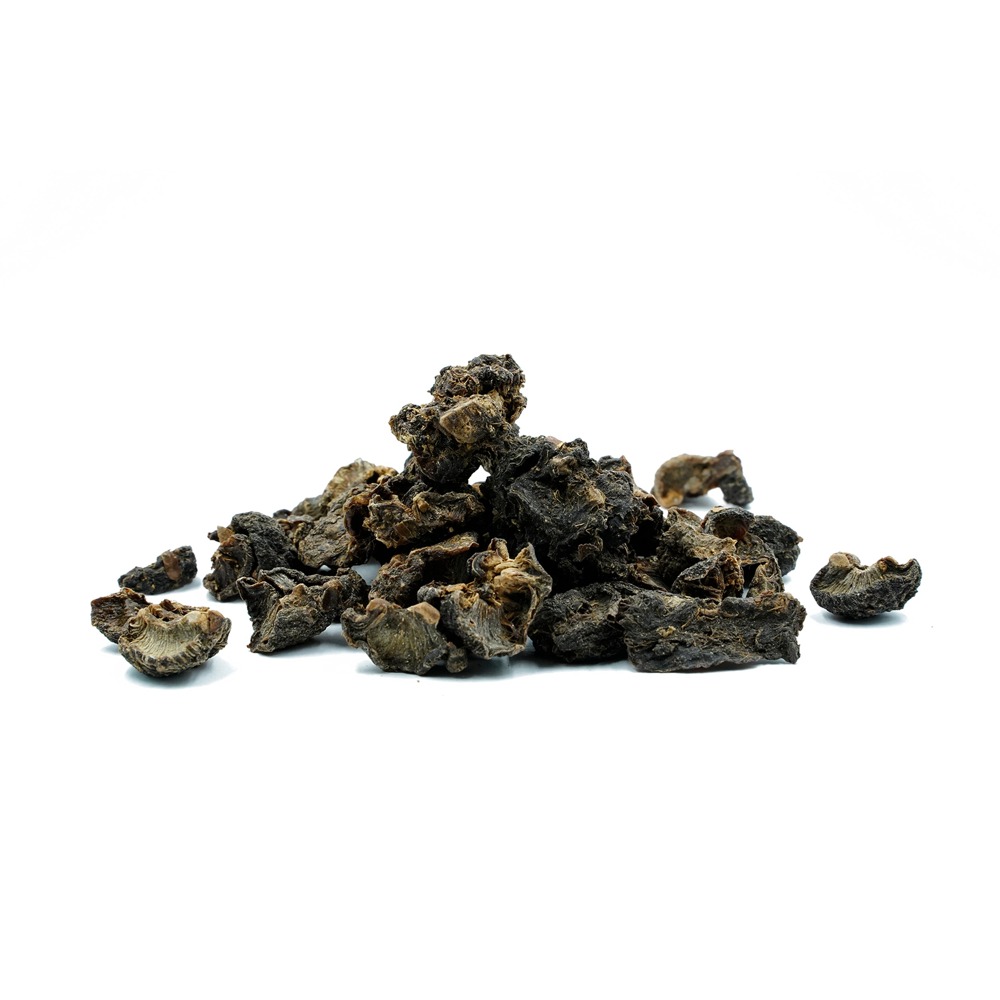
Brahmi (Bacopa)
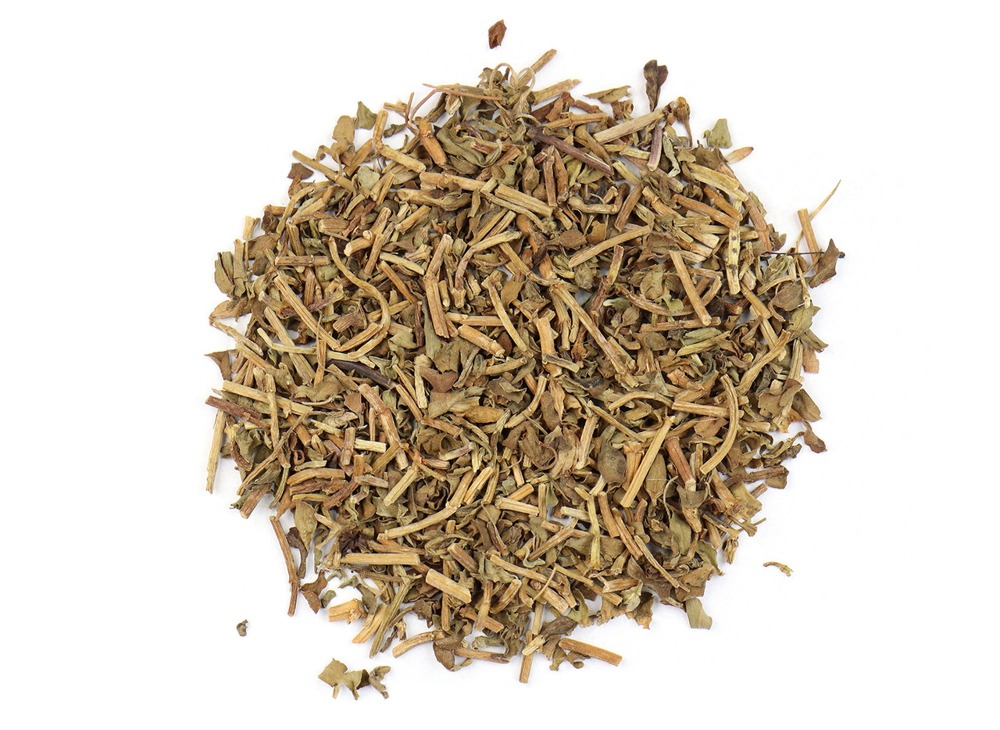
Brahmi (Bacopa)
Bacopa monnieri (L.) Wettst.
Bulk Brahmi herb and powder (Bacopa monnieri) for nootropic supplement, Ayurvedic, hair-care and extract manufacturers sourcing bacoside-bearing raw material.
- Botanical nameBacopa monnieri (L.) Wettst.
- Part usedWhole plant, aerial parts (herb)
- FamilyPlantaginaceae (listed as Scrophulariaceae in the Ayurvedic Pharmacopoeia of India)
- Also known asJalnaam, Nirbrahmi, Neerbrahmi, Sarasvati, Bamanevari, Brahmibuti, Sambrani, Safed Chamni
- Certificate of Analysis
- Samples available
- Export documents handled
Brahmi is the dried whole plant of Bacopa monnieri, bought mainly as feedstock for bacoside-standardised extracts and for classical Ayurvedic memory formulations. It is the single most important botanical in the Indian nootropic ingredient trade.
Botanical identity, and an important naming problem
Bacopa monnieri is a small, glabrous, succulent creeping herb with fleshy obovate leaves and small white or pale purple flowers. Modern classification places it in Plantaginaceae, though the Ayurvedic Pharmacopoeia of India still records it under Scrophulariaceae.
The name Brahmi is used for two entirely different plants in India. In Kerala and the western states, Brahmi means Bacopa monnieri. In many other states, Brahmi is used for Centella asiatica, correctly called Mandukaparni or Gotu Kola.
This is not a trivia point. Order Brahmi by common name and you may receive either species. Always order and specify by botanical name, and check that the Certificate of Analysis names Bacopa monnieri.
Where it grows in India
Bacopa grows throughout India in wet and damp ground, along canal edges, pond margins, paddy bunds and marshy fields. Commercial supply comes from both wild collection and organised cultivation in Madhya Pradesh, Uttar Pradesh, Gujarat, Maharashtra and southern India.
Harvest and processing
Cultivated Bacopa is cut several times from an established bed rather than uprooted once. Material is washed thoroughly, then shade or low-temperature dried and milled.
Washing is where quality is won or lost. Because the plant creeps over mud, silt clings to stems and roots. Inadequate washing shows up directly as high acid-insoluble ash, and buyers who only check total ash will miss it.
Why buyers source it
The commercial markers are bacosides, a family of triterpenoid saponins including bacoside A, bacoside B, bacopaside I and bacopaside II. The Ayurvedic Pharmacopoeia of India records the constituents simply as alkaloids.
Raw dried herb carries relatively modest bacoside levels, so most volume moves into extraction. Standardised extracts are traded at 20, 40, 50 and 55 per cent bacosides.
Forms that trade
AV Biotech supplies dried whole herb, cut and sifted material, and milled powder at 80 mesh. Extract-grade feedstock is graded on cleanliness and bacoside potential rather than appearance alone. Organic-certified lots are available against advance contract.
Industry applications of Brahmi
Brahmi sells into fewer categories than Ashwagandha or Amla, but each one is technically demanding.
Nutraceutical and nootropic supplement brands
The dominant buyer. Bacopa extract standardised on bacosides goes into memory, focus and study-support capsules, tablets and nootropic stacks. It is also formulated into children's and student nutrition products in some markets.
Assay method matters here more than in most botanicals. A bacoside figure by UV spectrophotometry usually reads higher than the same material tested by HPLC. Comparing a UV 50 per cent against an HPLC 20 per cent is a costing error, not a bargain.
Ayurvedic and pharmaceutical manufacturing
Classical units buy cut herb and powder for Medhya Rasayana preparations, Brahmi Ghrita, Saraswatarishta and Brahmi Vati. These buyers work to Ayurvedic Pharmacopoeia of India limits.
Cosmetic and hair care
Brahmi has long traditional use in Indian hair oils, usually alongside Amla and Bhringraj. Formulators use powder and extract in scalp oils, hair masks, shampoos and cooling head-massage oils.
Food, beverage and functional nutrition
Brahmi appears in herbal teas, infusion blends and functional beverages positioned around calm focus. These buyers need clean, low-grit material because silt content is immediately noticeable in a brewed product.
Extract and phytochemical houses
Extraction units buy cut herb in bulk as feedstock. They grade on bacoside potential, moisture, acid-insoluble ash and freedom from other creeping weeds that grow in the same wet ground.
Common product formats
- Nootropic and memory-support capsules and tablets
- Standardised Bacopa extracts at 20, 40, 50 and 55 per cent bacosides
- Brahmi Ghrita, Saraswatarishta, Brahmi Vati and Medhya churnas
- Brahmi hair oils, scalp serums, hair masks and shampoos
- Herbal teas, infusion blends and calm-focus beverages
- Student and children's nutrition syrups and powders
- Ayurvedic head-massage and cooling oil bases
Traditional use and current research
The Ayurvedic Pharmacopoeia of India classifies Brahmi under Medhya and Rasayana actions, with Matiprada and Ayushya also listed. Medhya is the traditional Ayurvedic category for herbs associated with intellect and cognition.
The notes below describe traditional positioning and published research directions. They are not statements of medical outcome.
Memory and cognitive positioning
This is Brahmi's principal commercial position. Studies suggest effects on memory recall and information-processing measures in adults, and supplement brands formulate standardised bacoside extracts into products targeting memory and mental performance.
Focus, attention and study support
Traditional Medhya use centres on learning and retention. Products in this space are commonly positioned around concentration and study support rather than any clinical indication.
Calm and stress positioning
Ayurveda describes Brahmi as cooling, with Vatahara and Kaphahara actions. It is widely formulated into products positioned around calm alertness, often paired with Ashwagandha in stack products.
Antioxidant activity
Published comparative work has examined free-radical quenching potential of Bacopa monnieri alongside Centella asiatica, with both showing activity in laboratory models.
Hair and scalp formulations
Long traditional use in Indian hair oils supports cosmetic positioning around scalp comfort and the appearance of hair condition, under cosmetic claim rules.
What buyers should note on claims
Almost all published cognitive research on Brahmi uses standardised Bacopa monnieri extract at a defined bacoside level, not raw herb powder. If a clinical reference is being used to support a claim, the finished product should match that material type, that assay method and that dose.
This information is provided for educational and B2B product-sourcing purposes only. It is not medical advice and these statements have not been evaluated by any regulatory authority. Finished-product claims are the responsibility of the manufacturer.
| Botanical name | Bacopa monnieri (L.) Wettst., Fam. Plantaginaceae (API: Scrophulariaceae) |
|---|---|
| Part used | Dried whole plant; aerial-parts-only grade available on request |
| Appearance | Green to yellowish-brown cut herb; powder yellowish-brown to olive green |
| Odour and taste | Faint characteristic odour; taste slightly bitter |
| Active constituents | Alkaloids (API). Commercially, bacosides including bacoside A, bacoside B, bacopaside I and bacopaside II. Extracts standardised to 20, 40, 50 or 55 per cent bacosides |
| Assay method | State HPLC or UV on every enquiry. UV values typically read higher than HPLC on the same material and are not directly comparable |
| Moisture | Not more than 10 per cent (typical trade limit) |
| Total ash | Not more than 18 per cent (API limit) |
| Acid-insoluble ash | Not more than 6 per cent (API limit). The key cleanliness indicator for this herb, since silt from wet growing ground reports here |
| Foreign matter | Not more than 2 per cent (API limit); screened for co-growing marsh weeds and for Centella asiatica |
| Alcohol-soluble extractive | Not less than 6 per cent (API limit) |
| Water-soluble extractive | Not less than 15 per cent (API limit) |
| Identity | Bacopa monnieri confirmed by macroscopic and microscopic examination; HPTLC identity available on request to exclude Centella asiatica |
| Particle size | 80 mesh standard for powder; 40 and 60 mesh for classical formulations; cut and sifted for extraction feedstock |
| Heavy metals | Lead NMT 10 ppm, Arsenic NMT 3 ppm, Cadmium NMT 0.3 ppm, Mercury NMT 1 ppm (AYUSH limits) |
| Pesticide residues | Tested against EU MRL; organic lots screened on a multi-residue panel |
| Microbiology | Total plate count NMT 100,000 cfu/g, Yeast and mould NMT 1,000 cfu/g, E. coli and Salmonella absent |
| Packing | 20 to 25 kg HDPE or PP laminated bags with food-grade LDPE inner liner; kraft paper bags for powder; bale packing for cut herb |
| Shelf life | 24 months for powder and cut herb in sealed original packing |
| Note | All values are typical or indicative. Actual lot values vary with origin, cutting and season, and are confirmed on the batch Certificate of Analysis |
Values are typical and indicative. A lot-specific Certificate of Analysis is shared before dispatch.
How do I make sure I receive Bacopa monnieri and not Centella asiatica?
Order by botanical name, not by the common name Brahmi. In several Indian states Brahmi refers to Centella asiatica, which is correctly Mandukaparni. Our Certificate of Analysis names the species, and we provide HPTLC identity confirmation on request for extract buyers.
What is your minimum order quantity for Brahmi?
100 kg for milled powder, 250 kg for cut and sifted herb, and 25 kg for standardised extracts. Paid samples of 1 to 2 kg are available for extraction yield trials and are adjusted against the first commercial order.
Why do you emphasise acid-insoluble ash on this herb?
Bacopa creeps over wet mud, so silt clings to the stems. Poorly washed material can pass a total ash check yet fail acid-insoluble ash, which is where mineral silt reports. The Ayurvedic Pharmacopoeia of India allows not more than 6 per cent, and we test every lot against it.
Can you supply against a specific bacoside percentage?
For extracts, yes. We supply 20, 40, 50 and 55 per cent bacoside grades. Please state whether your specification is by HPLC or by UV, because the two methods give different numbers on identical material. Raw herb powder is supplied on pharmacopoeial parameters rather than a guaranteed bacoside figure.
What is the typical lead time?
7 to 12 working days for stock grades from Jaipur. Organic-certified material, aerial-parts-only grade and custom extract assays take 3 to 4 weeks. Cultivated beds are cut several times a year, so supply is reasonably steady outside heavy monsoon weeks.
Enquire about Brahmi (Bacopa)
No payment is taken here — this reaches our sourcing team directly.
Related products