Cumin (Jeera)
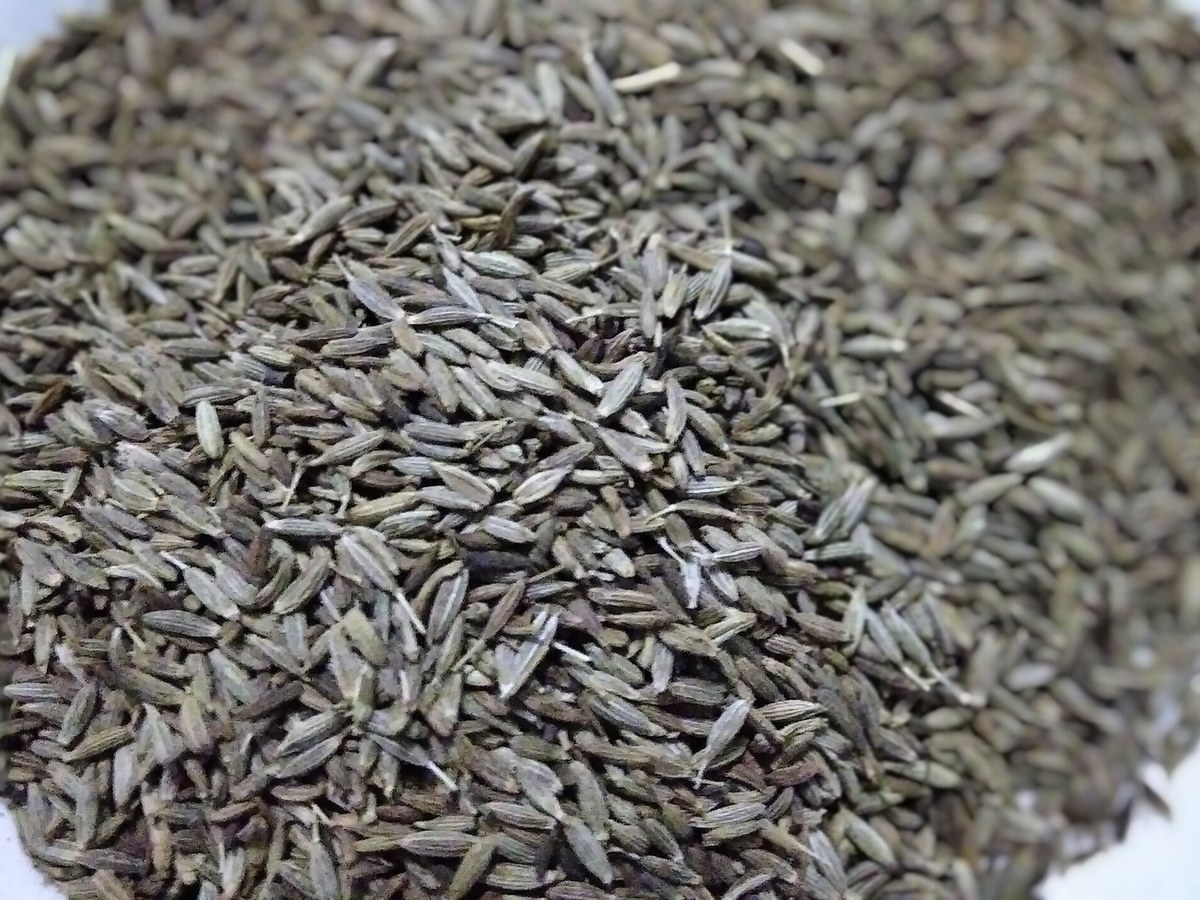
Cumin (Jeera)
Cuminum cyminum L.
Bulk Cumin (Jeera) seed, machine-cleaned Sortex grades up to 99.5% purity, from the Gujarat-Rajasthan belt, for spice houses and EU-compliant exporters.
- Botanical nameCuminum cyminum L.
- Part usedSeed (fruit)
- FamilyApiaceae
- Also known asJeera, Zeera, Jeerakam, Jeelakarra
- Certificate of Analysis
- Samples available
- Export documents handled
Cumin is the dried ripe fruit, traded as seed, of Cuminum cyminum L. India grows and exports the large majority of the world's cumin supply, and Gujarat and Rajasthan together form the crop's commercial heartland. Buyers are spice houses, food manufacturers, extract producers and export trading firms.
Botanical identity and part used
Cumin belongs to the Apiaceae family, the same umbellifer family as coriander and fennel, and the two spices are often confused by name in export documentation despite being botanically and visually distinct. The traded commodity is the small, elongated, ridged seed.
India's dominant position and the Gujarat-Rajasthan belt
India is the world's largest producer and exporter of cumin, with Gujarat and Rajasthan accounting for the great majority of national output. Within Rajasthan, the crop is concentrated in Barmer, Jalore, Nagaur and surrounding arid districts, while Gujarat's production is centred on Unjha, historically India's largest cumin trading market.
Harvest and processing
Cumin is a winter (rabi) crop, sown after the monsoon in dry, sandy soils and harvested in late winter to early spring. After threshing, raw seed goes through mechanical cleaning to remove stones, dust, chaff and foreign seed before grading.
Machine-cleaned and Sortex grades
Raw cumin as threshed carries dust, stones and admixed foreign seed, so nearly all export-grade material passes through mechanical cleaning and Sortex (optical/colour) sorting. Purity is quoted as a percentage, with common commercial tiers at 97.5, 98, 98.5, 99 and 99.5 per cent, the last commonly marketed as Europe or Singapore quality, reflecting the tighter foreign-matter tolerance those markets expect.
The foreign-seed and pesticide-residue rejection risk
Cumin shipments to the EU face two recurring rejection risks that buyers should factor into sourcing decisions. The first is foreign or weed seed admixture, which Sortex cleaning and manual picking reduce but do not always eliminate to zero, particularly in lower-purity lots. The second, more significant risk is pesticide residue: cumin has repeatedly appeared in the EU's Rapid Alert System for Food and Feed for exceeding maximum residue limits, with chlorpyrifos among the most frequently cited residues against a limit as low as 0.01 mg/kg. Buyers targeting the EU should specify pre-shipment multi-residue testing rather than relying on purity grade alone, since purity and pesticide compliance are separate, unrelated tests.
Forms that trade
AV Biotech supplies cumin as raw (ungraded), machine-cleaned, and Sortex-graded seed from 97.5 up to 99.5 per cent purity, alongside ground powder, with pesticide residue testing available against EU or buyer-nominated panels.
Industry applications of Cumin
Cumin moves into food, pharmaceutical and extract manufacturing at very large volume, and purity grade and residue testing are the main sourcing decisions.
Food and spice manufacturing
Spice blenders and food manufacturers are the dominant buyers, using whole and ground cumin in curry powders, masala blends, taco and chilli seasoning, and bread and snack applications. Standard 98 to 99 per cent purity grades serve most commercial food-manufacturing needs.
Export trading to regulated markets
Buyers shipping onward into the EU, US or other regulated markets typically specify 99 or 99.5 per cent Sortex-cleaned grade along with pesticide residue testing to the destination market's maximum residue limits, since border rejection on residue grounds is a documented recurring issue for Indian cumin.
Essential oil and oleoresin manufacture
Extract houses distil cumin seed oil and produce cumin oleoresin for flavour manufacturing, specifying a minimum volatile oil content rather than visual purity grade as the primary purchase criterion.
Pharmaceutical and Ayurvedic manufacturing
Cumin, known as Jeeraka in Ayurveda, is used in classical digestive formulations and in Jeera water, a common household digestive preparation. These buyers typically want whole seed with documented identity and moderate purity requirements.
Cosmetic and personal care
Cumin seed extract and oil appear in some cosmetic and personal-care formulations at low use levels, generally as a minor fragrance or functional component.
Common product formats
- Whole seed for retail spice packs and masala blends
- Ground cumin powder for curry powders and spice blends
- Sortex-graded seed for EU, US and other regulated-market export
- Cumin seed oil and oleoresin for flavour manufacturing
- Jeeraka-based Ayurvedic digestive formulations
Traditional use and current research
Cumin seed is classed in Ayurveda as Jeeraka, used traditionally as a digestive and carminative spice, and Jeera water is a widely used household digestive preparation across India. The following notes describe traditional positioning and published research directions, not established medical outcomes.
Digestive use
Cumin seed is traditionally used to support digestion, ease occasional bloating and stimulate appetite, most commonly as cumin-infused water or roasted seed added to meals and spice blends.
Research on seed constituents
Cumin seed and its essential oil, rich in cuminaldehyde, have been studied for antioxidant and antimicrobial activity in laboratory settings, findings broadly consistent with its long traditional culinary and digestive use.
Metabolic research
Some published studies have examined cumin seed extract for effects on body weight and blood lipid markers, an early-stage research area that has drawn interest from functional-food and supplement formulators, though results vary across studies.
Culinary and aromatic role
Cumin's primary global role remains as a foundational culinary spice across South Asian, Middle Eastern, North African and Latin American cuisines, and food manufacturers generally specify purity grade and volatile oil content rather than a health claim.
Points buyers should note on claims
Any digestive or metabolic-wellness claim built on cumin should be traceable to seed identity and volatile oil content, and formulators should keep pesticide residue and purity documentation on file separately from any health-positioning claim, since regulators assess them independently.
This information is provided for educational and B2B product-sourcing purposes only. It is not medical advice and these statements have not been evaluated by any regulatory authority. Finished-product claims are the responsibility of the manufacturer.
| Botanical name | Cuminum cyminum L., Fam. Apiaceae |
|---|---|
| Part used | Dried ripe fruit (seed) |
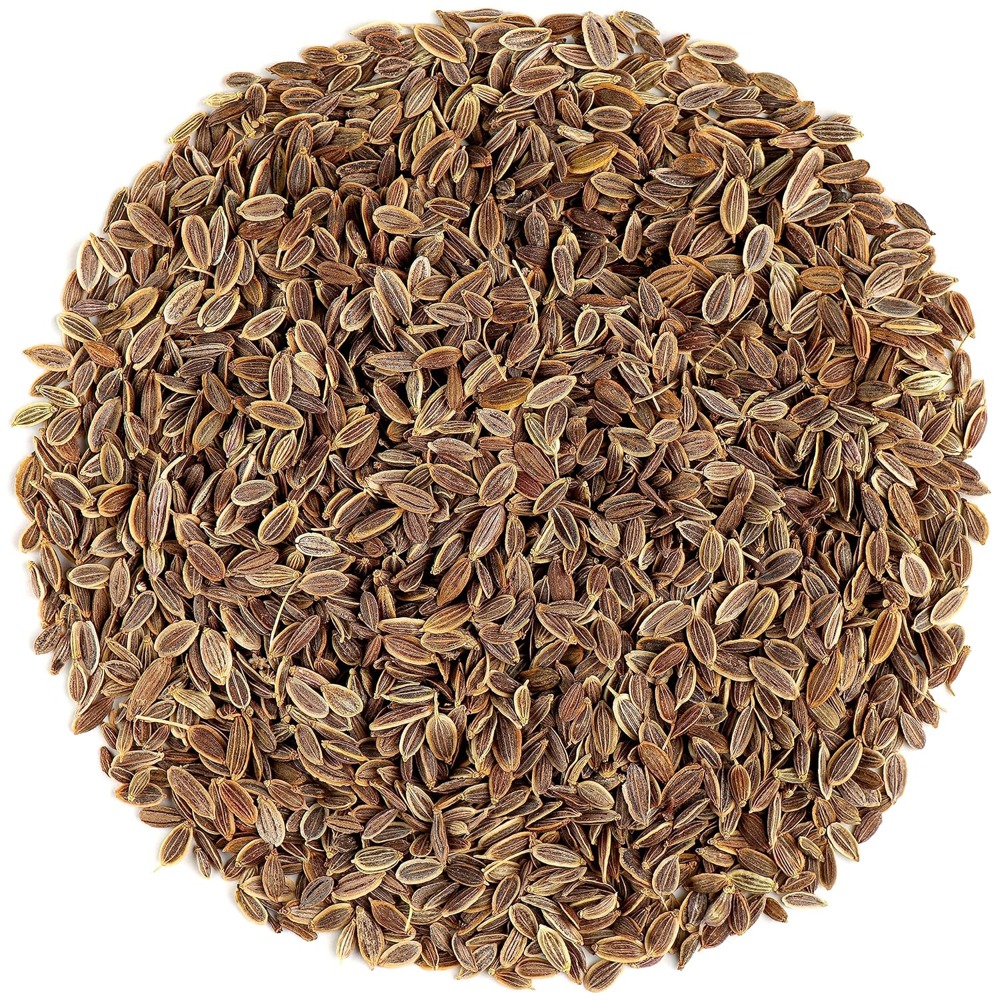
| Appearance | Small, elongated, longitudinally ridged seed, yellowish-brown to greenish-brown |
| Active constituents | Volatile oil, principally cuminaldehyde, the dominant aromatic compound |
| Volatile oil | Typically 2.5 to 4 per cent by steam distillation |
| Purity (Sortex/machine-cleaned grades) | Commercial tiers at 97.5%, 98%, 98.5%, 99% and 99.5%; 99.5% commonly marketed as Europe/Singapore quality |
| Moisture | Not more than 9 to 10 per cent (typical trade limit) |
| Total ash | Not more than 7 per cent (typical) |
| Acid-insoluble ash | Not more than 1.5 per cent (typical) |
| Foreign matter / foreign seed | Limit stated per purity grade; lower-purity lots carry a higher admixture tolerance than 99%/99.5% Sortex grades |
| Particle size | Whole seed standard; powder 60 to 80 mesh on request |
| Pesticide/heavy-metal/microbial testing | Multi-residue pesticide panel available to EU MRL (chlorpyrifos among the residues most frequently cited in border rejections) or buyer-nominated limits; heavy metals to Codex or AYUSH limits; total plate count, yeast and mould, E. coli and Salmonella to agreed limits |
| Packing | 25 kg or 50 kg PP/HDPE laminated bags with food-grade liner; jute bags on request |
| Shelf life | 18 to 24 months for whole seed, 12 months for powder, in sealed original packing |
| Note | All values are typical or indicative. Actual lot values vary with grade, origin and season, and are confirmed on the batch Certificate of Analysis |
Values are typical and indicative. A lot-specific Certificate of Analysis is shared before dispatch.
What is your minimum order quantity for Cumin seed?
500 kg for whole seed and 100 kg for powder. We supply 500 g to 1 kg samples for purity and pesticide-residue verification, adjusted against your first commercial order.
What Sortex purity grades do you supply?
We supply machine-cleaned and Sortex-graded cumin from 97.5% up to 99.5% purity, with 99.5% commonly requested by EU and Singapore-quality buyers. Purity grade is quoted separately from pesticide-residue compliance, and both should be specified in your order.
Can you guarantee pesticide residue compliance for EU shipments?
We test against a multi-residue panel to EU maximum residue limits and share the pre-shipment lab report before dispatch. Chlorpyrifos is one of the residues most frequently cited in EU border rejections for Indian cumin, so we screen for it specifically on export-bound lots.
How do you control foreign-seed content in a lot?
Raw cumin is mechanically cleaned and Sortex (optical) sorted to remove stones, dust, chaff and foreign or weed seed. The admixture tolerance is tied to the purity grade you order, and it is stated on the Certificate of Analysis for that lot.
What is the typical lead time for Cumin orders?
7 to 12 working days for stock grades from Jaipur, right after the spring harvest and cleaning season. Custom purity grades, organic-certified lots and specific residue-testing requirements typically take 2 to 3 weeks.
Enquire about Cumin (Jeera)
No payment is taken here — this reaches our sourcing team directly.
Related products