Curry Leaf (Kari Patta)
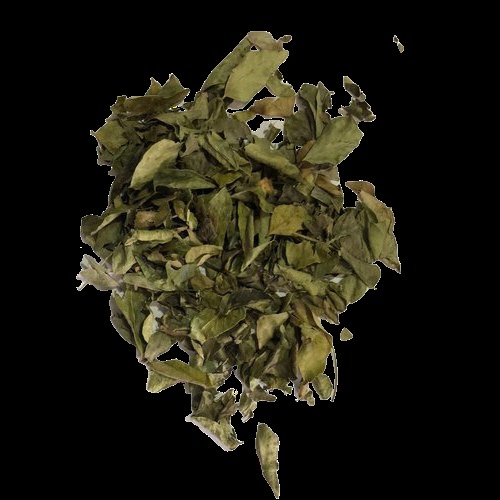
Curry Leaf (Kari Patta)
Murraya koenigii (L.) Spreng.
Bulk curry leaf (Murraya koenigii) in dried whole, dried powder and freeze-dried grades, with residue-tested lots for export markets with strict MRLs.
- Botanical nameMurraya koenigii (L.) Spreng.
- Part usedLeaf
- FamilyRutaceae
- Also known asKari Patta, Meetha Neem, Karivepaku, Karivepilai, Kariveppila, Bowala
- Certificate of Analysis
- Samples available
- Export documents handled
Curry leaf is the aromatic leaflet of Murraya koenigii, a small tree in the Rutaceae family grown across peninsular and eastern India. Buyers are spice processors, seasoning blenders, snack food makers, dehydrated vegetable exporters and Ayurvedic manufacturers.
Botanical identity and part used
Murraya koenigii is unrelated to true neem despite the common name meetha neem, and unrelated to the curry powder spice blend that borrows its name. The traded part is the pinnate leaflet, harvested fresh from cultivated trees or hedgerows.
Fresh leaf is highly perishable and is processed within hours of picking. Commercial trade moves almost entirely in dried whole leaf, dried leaf powder and, increasingly, freeze-dried leaf.
Where it grows in India
Andhra Pradesh, Karnataka, Tamil Nadu and Maharashtra account for the bulk of organised curry leaf cultivation, alongside scattered kitchen-garden and farm-boundary planting nationwide. Andhra Pradesh is generally regarded as the largest single production state.
The crop is a hardy perennial and gives multiple flushes a year in warm climates, so supply is less seasonal than for annual spice crops. Leaf quality and pest pressure, however, do vary with the monsoon and dry-season cycle.
Harvest and processing
Leaves are hand-stripped from branches, sorted to remove stems and damaged leaflets, then dried. Shade or low-temperature tray drying is preferred over sun drying because it retains more of the green colour and the volatile aroma that gives curry leaf its trade value.
Freeze-drying is used for a premium segment that wants leaf closest to fresh in colour, aroma and rehydration behaviour. It costs more to produce and is priced accordingly.
The pesticide-residue issue buyers should know
Curry leaf is a documented, recurring category in EU food-safety alerts, and Indian consignments have been flagged for insecticide residues above the EU's maximum residue limits. Psylla and leaf-miner pressure on the crop has historically driven farmers toward heavy insecticide use, including cypermethrin and profenofos combinations, which is the direct cause of this rejection history.
Because of this, buyers shipping to the EU, UK and similar strict-MRL markets should treat pre-shipment multi-residue screening as a standard step, not an optional extra, on every curry leaf lot. We test against the buyer's nominated MRL panel before dispatch and can source from growers on a documented low-spray or organic protocol.
Forms that trade
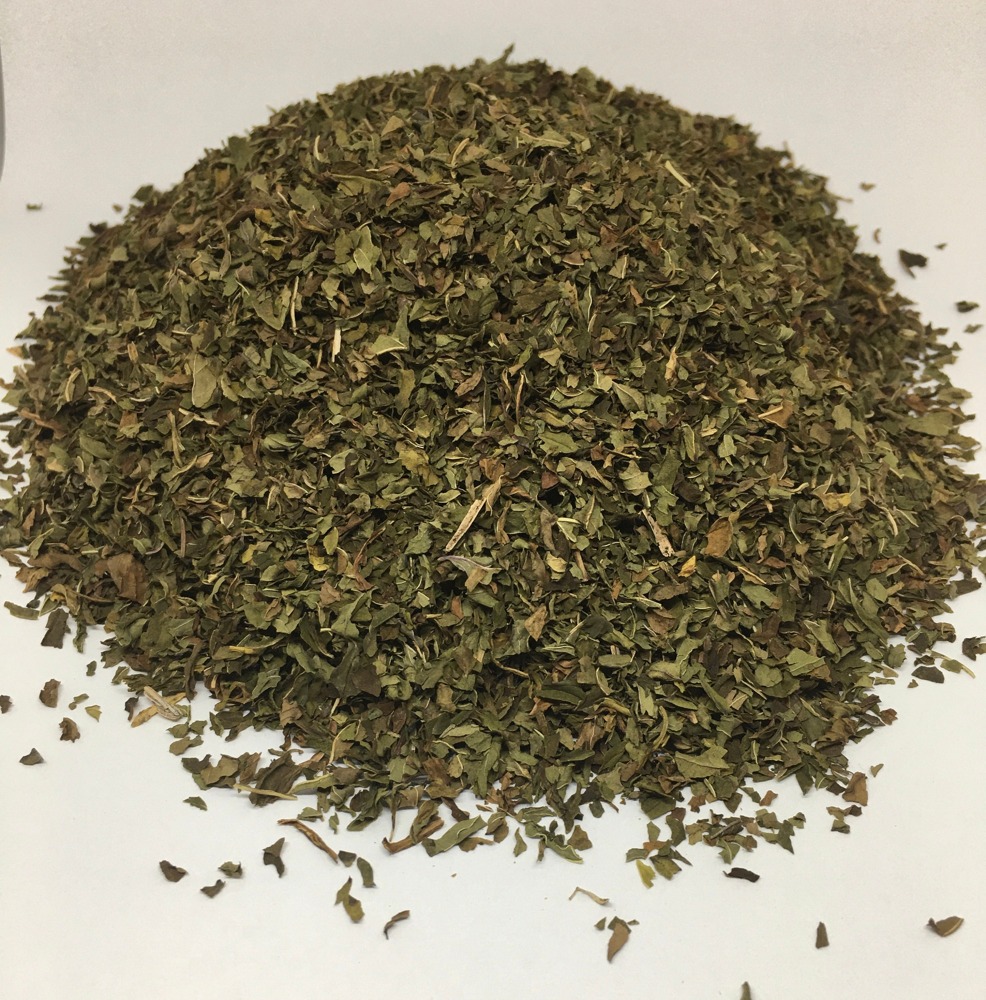
AV Biotech supplies curry leaf as dried whole leaf, dried leaf powder and freeze-dried whole leaf and flakes. Colour grade (deep green versus faded olive) and leaf-to-stem ratio are the two visual checks buyers apply before assay results come back.
Industry applications of curry leaf
Curry leaf moves into food, spice-blend and personal-care manufacturing, with the grade chosen driven mainly by colour retention and residue status rather than by active-compound assay.
Spice blends and seasoning manufacture
Powdered and coarse-cut curry leaf goes into sambar powder, rasam powder, curry powder blends and tempering (tadka) mixes for the packaged-food industry. Colour and aroma retention matter more here than any single marker compound.
Buyers in this segment typically specify a minimum green-colour score and a maximum stem or foreign-matter limit rather than a chemical assay.
Snack food and dehydrated vegetable industry
Curry leaf flakes and freeze-dried leaf are used as a garnish and flavour topper on namkeen, chips, instant noodles and ready-to-eat meal kits. Freeze-dried material is chosen here because it rehydrates close to fresh and keeps its shape.
Export and retail spice packing
Whole dried leaf is packed for retail and food-service spice racks in Indian-diaspora and mainstream grocery channels in the EU, UK, North America and the Gulf. This is the segment most exposed to MRL-based rejection, so residue testing is central to the specification.
Ayurvedic and Unani manufacturing
Curry leaf is used in Ayurvedic hair-care and digestive formulations, where it is valued for its volatile oil and carbazole alkaloid content. Manufacturers typically buy coarse powder or dried leaf for extraction.
Cosmetic and hair-care formulation
Curry leaf oil and powder are formulated into hair oils, shampoos and scalp tonics, a long-standing household and commercial use in South Asia now carried into branded personal-care lines.
Common product formats
- Sambar, rasam and curry powder blends
- Tempering and tadka seasoning mixes
- Snack toppings and namkeen seasoning dust
- Retail spice-rack packs of whole dried leaf
- Freeze-dried leaf and flakes for garnish use
- Hair oils, scalp tonics and shampoo formulations
- Ayurvedic churna and digestive preparations
Traditional use and current research
Curry leaf has a long culinary and household-medicine history in South Asia, and it also appears in Ayurvedic texts under names such as Kaidarya and Surabhinimba. The notes below describe traditional positioning and published research directions, not established medical outcomes.
Digestive use
Curry leaf is traditionally added to cooked dishes and chutneys for its aroma and is traditionally regarded in Ayurveda as supportive of digestion. Studies suggest effects related to gastric and digestive enzyme activity in preliminary research.
Hair and scalp care
The most persistent household use of curry leaf across South Asia is in hair oil, applied to the scalp and, less often, taken internally with the belief that it slows premature greying and supports hair growth. This remains a traditional-use claim rather than a settled clinical finding.
Metabolic and general wellness research
Published studies have examined curry leaf extracts for effects on blood glucose and lipid markers in preclinical models. This research is at an early, mostly preclinical stage and should not be read as a treatment claim for any condition.
Antioxidant interest
Curry leaf contains carbazole alkaloids, flavonoids and a distinctive volatile oil, and researchers have studied these compounds for antioxidant activity in laboratory assays. Formulators citing this work should match their raw-material specification to the plant part and extraction method used in the cited study.
What buyers should note on claims
Because curry leaf is consumed daily as a food ingredient across large parts of India, most finished-product positioning in export markets sits in the food and flavouring category rather than the medicinal category. Confirm the correct regulatory category for your destination market before finalising label copy.
This information is provided for educational and B2B product-sourcing purposes only. It is not medical advice and these statements have not been evaluated by any regulatory authority. Finished-product claims are the responsibility of the manufacturer.
| Botanical name | Murraya koenigii (L.) Spreng., Fam. Rutaceae |
|---|---|
| Part used | Dried leaflet (whole, cut or powder); freeze-dried leaf and flakes |
| Appearance | Dried leaf: deep green to olive-green pinnate leaflets, 2 to 4 cm; powder: dark green, characteristic aroma |
| Active constituents | Volatile oil (mahanimbine and related carbazole alkaloids), flavonoids; no single official assay figure, colour and aroma retention are the primary trade markers |
| Moisture | Not more than 8 to 10 per cent for dried leaf (typical trade limit); freeze-dried leaf typically below 5 per cent |
| Total ash | Not more than 10 per cent (typical) |
| Acid-insoluble ash | Not more than 2 per cent (typical) |
| Foreign matter | Not more than 2 per cent; stem content specified separately by grade |
| Particle size | Whole dried leaf; cut leaf; powder 40 to 60 mesh; freeze-dried flakes 3 to 8 mm |
| Pesticide residues | Multi-residue screening against buyer-nominated MRL panel (EU, UK or Codex); recommended on every lot given the crop's documented residue-rejection history |
| Heavy metals | Lead, cadmium, mercury and arsenic tested to agreed limits |
| Microbiology | Total plate count, yeast and mould, E. coli and Salmonella to agreed limits; steam sterilisation available for the food-service segment |
| Packing | 10 to 25 kg PP or HDPE laminated bags with food-grade liner; vacuum or nitrogen-flushed pouches for freeze-dried leaf |
| Shelf life | 12 months dried leaf, 18 to 24 months freeze-dried leaf, in sealed original packing, protected from light and moisture |
Values are typical and indicative. A lot-specific Certificate of Analysis is shared before dispatch.
What is your minimum order quantity for curry leaf?
100 kg for dried whole leaf, 50 kg for dried powder and 25 kg for freeze-dried leaf. Paid samples of 250 g to 1 kg are available for colour and residue verification, and the sample cost is adjusted against your first commercial order.
Do you test curry leaf for pesticide residues before shipment?
Yes, and we recommend it as standard on this item. Curry leaf has a documented history of EU rejections for insecticide residues above MRL, so every export lot is screened against your nominated panel, EU, UK or Codex, before dispatch, with results on the pre-shipment Certificate of Analysis.
What is the difference between dried and freeze-dried curry leaf?
Dried leaf is shade or low-temperature tray dried, cost-effective and suitable for spice blends and tempering mixes. Freeze-dried leaf retains colour, aroma and shape closer to fresh, rehydrates better, and is priced higher, so it is generally chosen for garnish and premium retail packs.
Can you supply organic or low-spray curry leaf?
Yes, against advance contract. We work with growers on a documented low-spray or organic protocol and can supply NPOP/NOP certified organic lots with a transaction certificate. Lead time is longer than for standard commercial-grade stock.
What is the typical lead time and shelf life?
7 to 12 working days for stock grades from Jaipur; freeze-dried and organic lots take 3 to 4 weeks. Shelf life is 12 months for dried leaf and powder and 18 to 24 months for freeze-dried leaf, stored cool and dry in unopened original packing.
Enquire about Curry Leaf (Kari Patta)
No payment is taken here — this reaches our sourcing team directly.
Related products