Daruharidra (Indian Barberry)
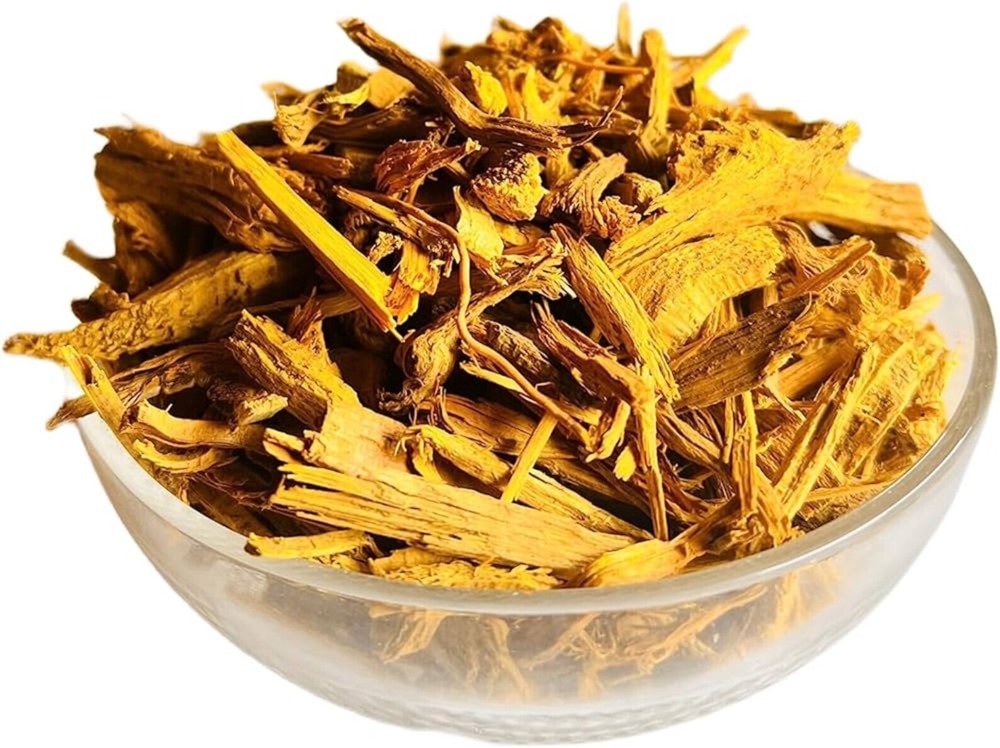
Daruharidra (Indian Barberry)
Berberis aristata DC.
Bulk Daruharidra (Berberis aristata) root and stem bark, sold on verified species identity and berberine assay, for Ayurvedic, pharma and extract buyers.
- Botanical nameBerberis aristata DC.
- Part usedRoot and stem bark (root and stem wood also traded)
- FamilyBerberidaceae
- Also known asDaruhaldi, Daruharidra, Chitra, Darvi, Rasanjana (dried extract), Maramanjal
- Certificate of Analysis
- Samples available
- Export documents handled
Daruharidra is the dried root and stem bark of Berberis aristata, a thorny shrub in the Berberidaceae family, native to the temperate and sub-alpine Himalayan belt. Buyers are Ayurvedic and Unani manufacturers, berberine extract houses, and eye-drop and skin-care formulators.
Botanical identity and the substitution problem
Berberis aristata is the species recognised as the official source of Daruharidra in the Ayurvedic Pharmacopoeia of India. The wood and inner bark are bright yellow, a colour that comes from berberine and related alkaloids, and gives the plant its tree turmeric name.
Because B. aristata has come under wild-collection pressure, market surveys of Indian herbal drug markets have repeatedly found other Berberis species, chiefly Berberis lycium and Berberis asiatica, sold under the same Daruharidra or Maramanjal trade name. All three species carry berberine, so an assay result alone does not confirm which species a lot contains, and buyers with a species-specific specification should ask for macroscopic, microscopic or DNA-based identity confirmation in addition to the berberine figure.
Where it grows and is collected
Berberis aristata occurs naturally in the Himalayan belt from roughly 1500 to 3500 metres, across Himachal Pradesh, Uttarakhand, Jammu and Kashmir, Sikkim and parts of Nepal. Commercial supply is drawn overwhelmingly from wild collection rather than cultivation.
Annual trade in Daruharidra and its allied species is estimated in the low thousands of tonnes, and sustained wild harvest has been flagged as a conservation concern by researchers working on the genus.
Harvest and legal origin
Roots and stems are dug or cut, the outer bark scraped away, and the yellow inner bark and wood separated, chipped and sun-dried. Because collection is from forest and wasteland tracts, legal transit and origin documentation for the collected material matters as much as botanical identity.
Buyers with a sustainability or CITES-adjacent compliance requirement should ask their supplier for the collection permit or transit pass reference alongside the standard export paperwork.
Why buyers source it
The commercial value sits in berberine, an isoquinoline alkaloid, and the trade quotes lots primarily against a berberine assay, commonly run by HPTLC or HPLC. Total alkaloid content and the ratio of berberine to related alkaloids such as palmatine and jatrorrhizine can vary meaningfully between the three commonly traded Berberis species.
Forms that trade
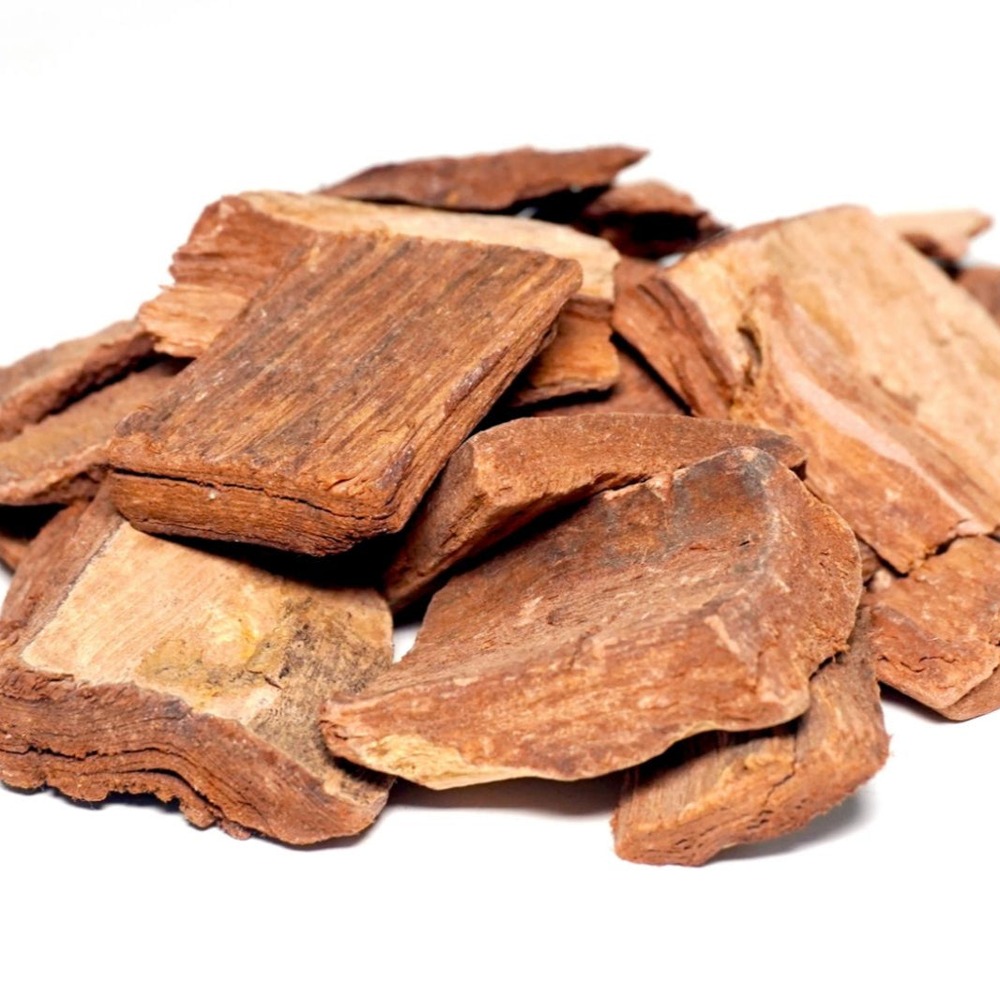
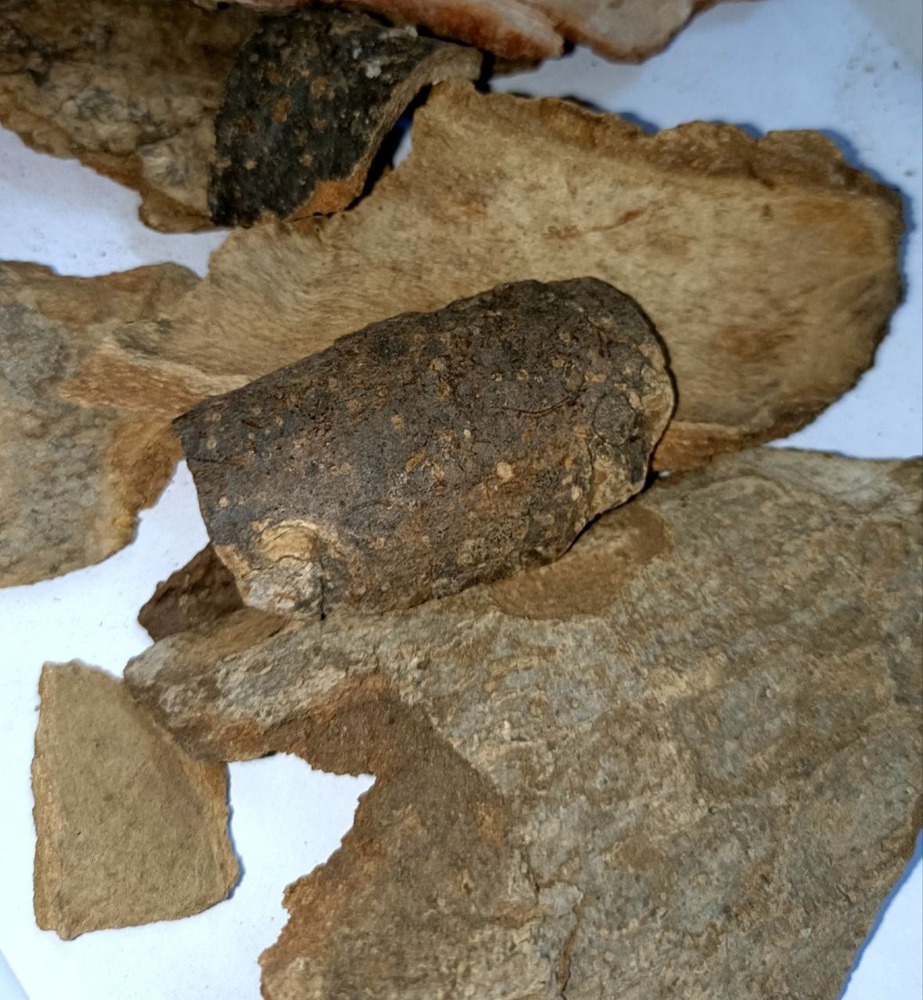
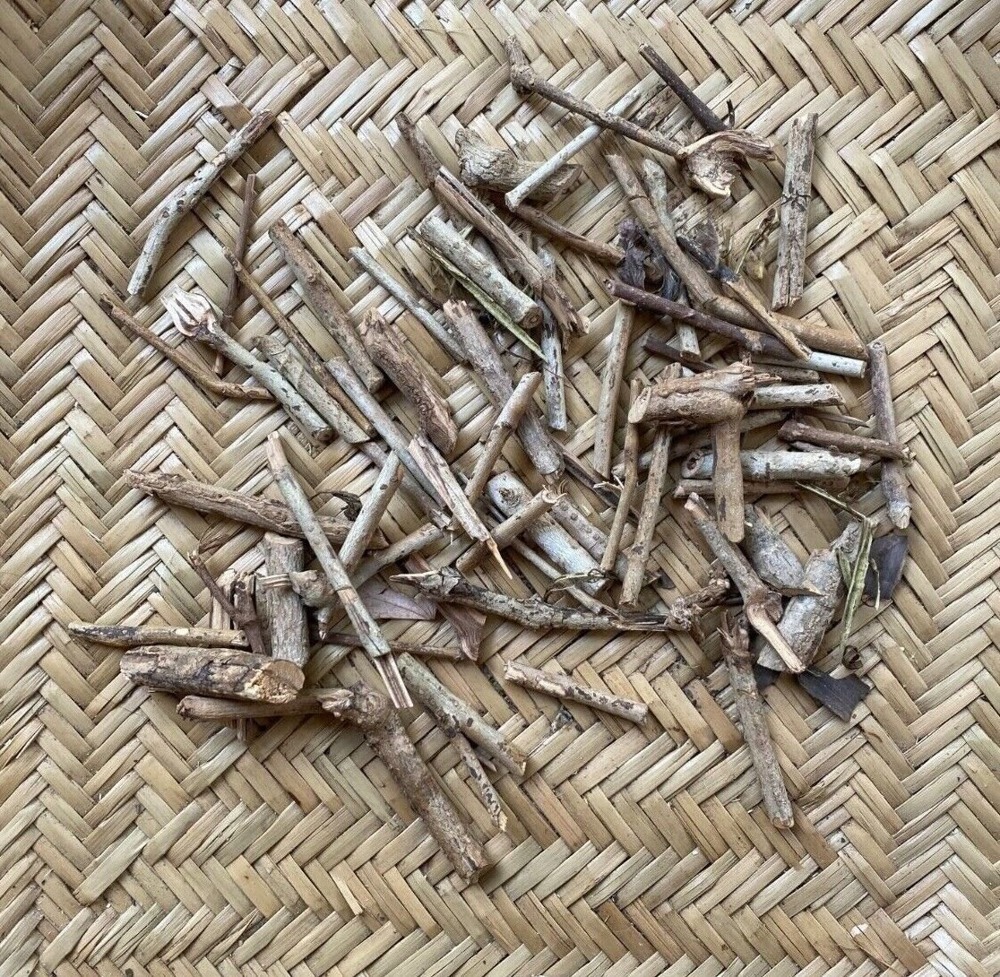
AV Biotech supplies Daruharidra as dried root bark, stem bark, and root and stem chips, along with milled powder. Species-verified, root-only lots with a documented berberine assay are offered separately from general-market material.
Industry applications of Daruharidra
Daruharidra moves into several manufacturing streams built around its berberine content, and the assay range and identity confirmation required differ by buyer.
Ayurvedic and Unani manufacturing
Classical Ayurvedic units buy root and stem bark for Rasanjana preparation and for formulations addressing skin, eye and digestive conditions in traditional practice, including Daruharidradi Kwatha and related decoction bases. Unani practice uses the drug as Darchobeh Zard.
These buyers typically specify root-only or bark-only material and want species identity confirmed rather than relying on berberine assay alone.
Berberine extract manufacturing
Extract houses buy Daruharidra as one of several regional berberine sources, alongside Coscinium fenestratum from South India, and standardise output to a target berberine percentage by HPLC. Extractors are the buyer group most exposed to species-mixing risk, since blended lots can still meet an assay number while failing an identity test.
Nutraceutical and eye-care formulation
Berberine extract from Daruharidra is formulated into liver-support and metabolic-health supplements, and traditionally into Ayurvedic eye drops and washes such as Rasanjana-based preparations, where purity and microbial load are closely specified.
Cosmetic and skin-care formulation
Root and bark extract are used in some skin-care formulations for pigmentation and blemish-focused products, drawing on traditional use of the bright yellow extract as a topical application.
Veterinary and dye applications
Coarser bark and wood fractions are used in veterinary Ayurvedic preparations and, on a smaller scale, as a natural yellow dye source.
Common product formats
- Rasanjana and classical Ayurvedic eye and skin preparations
- Kwatha and churna formulations for digestive and skin use
- Standardised berberine extracts for supplement manufacture
- Liver-support and metabolic-health capsules and tablets
- Skin-care serums and pigmentation-focused cosmetic formulations
- Veterinary decoctions and natural dye applications
Traditional use and current research
Daruharidra has a long-standing place in Ayurveda, where it is classed for its use in Kushtha (skin disorders), Netra roga (eye conditions) and Pittaja disorders. The notes below describe traditional positioning and published research directions, not established medical outcomes, and refer to Berberis aristata material specifically.
Skin and eye applications
Rasanjana, a purified aqueous extract of Daruharidra, is a classical Ayurvedic preparation traditionally used in eye washes and skin applications. This is a long-documented traditional use rather than a modern clinical finding, and finished eye-care products carry their own regulatory requirements separate from the raw material.
Digestive and hepatic support
Ayurvedic practice traditionally uses Daruharidra decoctions in digestive and Pittaja conditions, and berberine, its principal alkaloid, has been studied in the pharmacological literature for activity against amoebiasis, diarrhoea and other conditions. These are research directions, not approved treatment claims for a raw botanical.
Berberine research interest
Berberine is one of the more extensively studied plant alkaloids in current research, with published work examining metabolic and antimicrobial activity. Interest in berberine as an ingredient has grown across supplement categories, but sourcing berberine from Daruharidra does not by itself carry any clinical claim, and claim substantiation should be matched to the specific extract and species used in the cited study.
What buyers should note on claims
Because B. lycium and B. asiatica are commonly substituted for B. aristata in general trade, and because their alkaloid profiles differ, any health claim built on published Berberis aristata research should be supported by material with confirmed species identity, not assay percentage alone.
This information is provided for educational and B2B product-sourcing purposes only. It is not medical advice and these statements have not been evaluated by any regulatory authority. Finished-product claims are the responsibility of the manufacturer.
| Botanical name | Berberis aristata DC., Fam. Berberidaceae (species identity confirmable on request; B. lycium and B. asiatica are common market substitutes) |
|---|---|
| Part used | Dried root bark and stem bark (root/stem chips and wood also traded) |
| Appearance | Bright yellow to yellowish-brown bark pieces and chips; powder deep yellow, characteristic bitter taste |
| Active constituents | Berberine (principal isoquinoline alkaloid), with palmatine and jatrorrhizine as related alkaloids |
| Berberine assay | Typically assayed by HPTLC or HPLC; figure and acceptable range confirmed on the batch Certificate of Analysis, as content varies with species, part and collection season |
| Species/identity verification | Macroscopic and microscopic identity check standard; HPTLC or DNA-barcoding-based species confirmation available on request for B. aristata-specific orders |
| Moisture | Not more than 10 per cent (typical trade limit) |
| Total ash | Not more than 7 per cent (typical) |
| Acid-insoluble ash | Not more than 2 per cent (typical) |
| Foreign matter | Not more than 2 per cent (typical); other Berberis species presence disclosed where identity testing has been carried out |
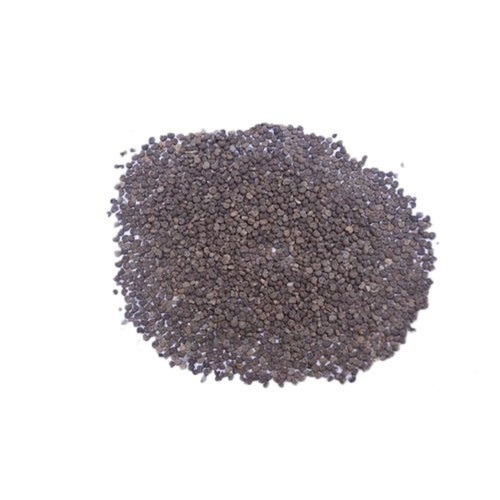
| Particle size | Whole and cut bark/chips; powder 60 to 80 mesh |
| Pesticide/heavy-metal/microbial testing | Tested against buyer-nominated panel; AYUSH heavy-metal limits and microbiology to agreed limits |
| Legal origin | Wild-collected from Himalayan forest and wasteland tracts; collection permit and transit-pass reference available on request |
| Packing | 25-50 kg PP/HDPE laminated bags with food-grade liner; fibre drums for powder |
| Shelf life | 24 months for bark and chips, 18 months for powder, in sealed original packing |
Values are typical and indicative. A lot-specific Certificate of Analysis is shared before dispatch.
What is your minimum order quantity for Daruharidra?
100 kg for milled powder and 250 kg for bark or chips. Paid samples of 250 g to 1 kg are supplied for berberine assay and species-identity verification, adjusted against your first commercial order.
How do you confirm the material is Berberis aristata and not a substitute species?
Standard lots undergo macroscopic and microscopic identity checks. For orders that specifically require B. aristata, we arrange HPTLC or DNA-barcoding-based species confirmation, since berberine assay alone cannot distinguish it from B. lycium or B. asiatica, which are commonly sold under the same trade name.
What berberine percentage can you guarantee?
Berberine content varies with species, plant part and collection season, so we confirm the assay range on the batch Certificate of Analysis rather than a fixed universal figure. Share your target assay and we will select or blend lots to match it, with pre-shipment HPLC results.
Is your Daruharidra legally sourced, and can you provide origin documentation?
Yes. Material is wild-collected under applicable forest and transit regulations in the source states, and we can provide the collection permit or transit-pass reference alongside the Certificate of Origin and phytosanitary certificate for your import file.
What is the typical lead time?
10 to 15 working days for stock grades from Jaipur. Species-identity testing and custom assay-range selection add 1 to 2 weeks, so book ahead for orders requiring verified single-species material.
Enquire about Daruharidra (Indian Barberry)
No payment is taken here — this reaches our sourcing team directly.
Related products