Fennel (Saunf)
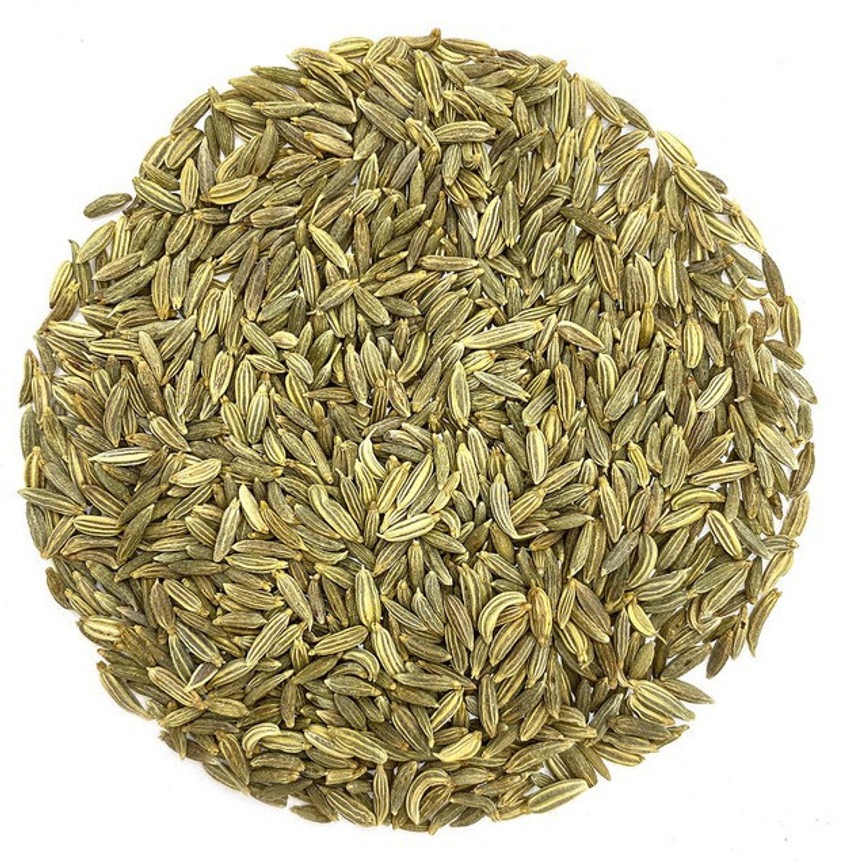
Fennel (Saunf)
Foeniculum vulgare Mill.
Bulk fennel seed (Foeniculum vulgare) in Lucknowi/large-seed and common grades, with anethole assay, for spice houses, extract and pharma manufacturers.
- Botanical nameFoeniculum vulgare Mill.
- Part usedSeed (dried fruit)
- FamilyApiaceae
- Also known asSaunf, Sompu, Perunjeeragam, Badi Saunf, Shatapushpa
- Certificate of Analysis
- Samples available
- Export documents handled
Fennel is the dried ripe fruit, traded commercially as seed, of Foeniculum vulgare, an aromatic biennial or perennial herb in the Apiaceae family. Buyers are spice processors, pharmaceutical and mouth-freshener manufacturers, essential-oil distillers and Ayurvedic units.
Botanical identity and part used
What the trade calls fennel seed is botanically a schizocarp, a dry fruit that splits into two ribbed mericarps at maturity. The Indian Standard for whole fennel seed, IS 3796, governs the sampling and test methods used across the domestic and export trade.
Lucknowi and large-seed types versus common grades
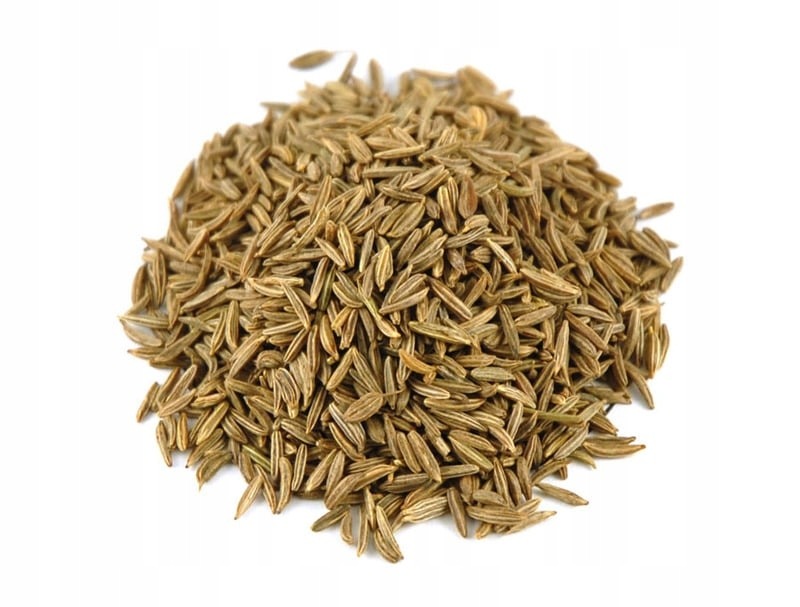
Indian fennel trade recognises distinct seed types. Lucknowi fennel is a small, thin, olive-green seed grown around Lucknow in Uttar Pradesh, prized for a finer flavour and higher trans-anethole share, and it commands a price premium in both domestic and export markets.
A separate large-seed, or Europe-type, fennel is grown for markets that specify a bigger, plumper seed for direct table and garnish use, distinct from the Lucknowi type. Jaipuri and Agra grades sit alongside these as recognised regional trade names, and buyers should specify seed type, not just origin, on their purchase order.
Where it grows in India
Gujarat and Rajasthan are the largest fennel-growing states, with Uttar Pradesh notable specifically for the Lucknowi type. The crop is grown as a winter (rabi) crop, sown around October and harvested from February to April depending on region and variety.
Harvest and processing
Umbels are cut once the seed has matured and begun to change colour, then dried, threshed and cleaned. Colour retention, a fresh green to greenish-yellow shade rather than a faded brown, is one of the first visual checks buyers apply, since colour fades with age and poor storage.
Why buyers source it
The commercial value sits in the essential oil content and its principal component, trans-anethole, the compound responsible for fennel's characteristic sweet, liquorice-like aroma. Published figures put anethole content of the essential oil in a wide range depending on variety and origin, and Lucknowi-type seed is generally associated with a higher anethole share, which is why extract and flavour buyers often specify it by name.
Forms that trade
AV Biotech supplies fennel as whole seed (Lucknowi and large-seed grades), cleaned and sortex-processed seed, and seed powder. Essential oil and oleoresin are available as extraction-feedstock arrangements against contract.
Industry applications of fennel
Fennel moves into food, pharma, mouth-freshener and extract manufacturing, and the seed type and cleanliness grade drive the buying decision more than any single assay figure for most food-segment buyers.
Spice and food manufacturing
Whole and ground fennel go into spice blends, pickling mixes, bakery and confectionery flavouring, and as a table and cooking spice across Indian and international cuisines. Colour and cleanliness (freedom from stem, dust and foreign seed) are the primary specification here.
Mouth-freshener and confectionery manufacturing
Sortex-cleaned, often sugar-coated or roasted fennel seed is a major standalone product in the Indian mukhwas and paan-supari trade, and also flavours candies and chewing gum. This segment is highly particular about seed size, colour uniformity and freedom from any foreign matter.
Pharmaceutical and Ayurvedic manufacturing
Fennel is used in gripe water, carminative syrups, digestive tablets and classical Ayurvedic formulations, generally as Shatapushpa or Madhurika in Ayurvedic texts. These buyers typically specify essential-oil content and freedom from foreign seed.
Essential oil and flavour extraction
Fennel oil, rich in trans-anethole, is steam-distilled from the seed and used in flavour compounding, liqueurs (such as certain aniseed-family spirits), and pharmaceutical flavouring. Extractors specify seed type, since Lucknowi-type material generally gives a higher-anethole oil.
Herbal tea and functional beverage
Whole or cracked fennel seed is used in digestive tea blends and functional beverages, often paired with other carminative seeds such as ajwain or cumin.
Common product formats
- Whole seed for spice blends and cooking
- Sortex-cleaned mukhwas and mouth-freshener seed
- Roasted and sugar-coated fennel confectionery
- Fennel oil for flavour and pharmaceutical use
- Gripe water and digestive syrup formulations
- Classical Ayurvedic churna and kwatha preparations
- Digestive and detox herbal tea blends
Traditional use and current research
Fennel has one of the longest documented histories of any culinary spice used medicinally, referenced in Ayurveda as Shatapushpa and Madhurika, and in most traditional systems as a carminative and digestive aid. The notes below describe traditional positioning and published research directions, not established medical outcomes.
Digestive and carminative use
Fennel is traditionally chewed after meals across South Asia specifically for its carminative, breath-freshening and digestive-comfort role. Studies suggest effects on gas and bloating measures in preliminary clinical research, and this remains the most widely recognised traditional use of the seed.
Infant colic and gripe water use
Fennel-based preparations have a long history of use in gripe water formulations intended for infant digestive comfort. Formulators in this category should check current regulatory guidance in their destination market closely, as infant-product rules are especially strict and vary widely by country.
Lactation-support traditional use
Fennel is traditionally used in some cultures as a galactagogue, believed to support milk production in nursing mothers. This is a traditional-use claim and should be positioned with appropriate care given the sensitivity of the target consumer group.
Antioxidant and antimicrobial research
Published research has examined fennel seed and oil for antioxidant and antimicrobial activity in laboratory studies, generally attributed to its essential-oil and flavonoid content. This research is at a preliminary stage.
What buyers should note on claims
Anethole content varies meaningfully by seed type and origin, so any claim built on a specific published study should be matched to material of a comparable anethole range, and Lucknowi-type seed should not be assumed interchangeable with common-grade seed for extract standardisation.
This information is provided for educational and B2B product-sourcing purposes only. It is not medical advice and these statements have not been evaluated by any regulatory authority. Finished-product claims are the responsibility of the manufacturer.
| Botanical name | Foeniculum vulgare Mill., Fam. Apiaceae |
|---|---|
| Part used | Dried ripe fruit (seed) |
| Appearance | Lucknowi type: small, thin, olive-green ribbed seed. Large-seed/Europe type: bigger, plumper, greenish-yellow to yellowish-brown seed |
| Active constituents | Essential oil, principal component trans-anethole; Lucknowi-type seed generally associated with a higher anethole share than common grades |
| Volatile oil content | Typically assayed by steam distillation; specific figure and acceptable range confirmed on the batch Certificate of Analysis, as it varies with variety, origin and storage age |
| Moisture | Not more than 10 per cent (per IS 3796 and typical trade limit) |
| Total ash | Not more than 10 per cent (typical, per IS 3796) |
| Acid-insoluble ash | Not more than 1.5 per cent (typical) |
| Extraneous matter | Not more than 2 per cent (per IS 3796) |
| Particle size | Whole seed (graded by type); powder 40 to 60 mesh on request |
| Pesticide/heavy-metal/microbial testing | Tested against buyer-nominated panel; EU MRL or Spices Board limits available on request; steam sterilisation available for the food-service segment |
| Packing | 25-50 kg PP/HDPE laminated bags with food-grade liner; jute bags for domestic trade |
| Shelf life | 18 to 24 months for whole seed, 12 months for powder, in sealed original packing |
Values are typical and indicative. A lot-specific Certificate of Analysis is shared before dispatch.
What is your minimum order quantity for fennel seed?
500 kg for whole seed and 100 kg for powder. Paid samples of 250 g to 1 kg are supplied for colour, cleanliness and anethole evaluation, adjusted against your first commercial order.
What is the difference between Lucknowi and large-seed fennel?
Lucknowi fennel is a small, thin, olive-green seed from Uttar Pradesh with a finer flavour and generally higher anethole share, priced at a premium. Large-seed, or Europe-type, fennel is bigger and plumper, suited to markets that specify a larger table seed. Please state the type on your enquiry.
Can you supply to a guaranteed anethole or essential-oil content?
We select and blend lots to meet an agreed range and share the pre-shipment assay result before dispatch. Anethole share varies with seed type, origin and storage age, so please confirm whether your specification requires Lucknowi-type material.
What documentation comes with an export shipment?
Each lot ships with a batch Certificate of Analysis, packing list, invoice, phytosanitary certificate and Certificate of Origin. Organic transaction certificates are supplied where the lot is NPOP, NOP or EU organic certified.
What is the typical lead time and harvest season?
7 to 12 working days for stock grades from Jaipur. Fennel is a winter crop, harvested February to April, so fresh-season stock and Lucknowi-type volumes are best contracted ahead of the harvest window.
Enquire about Fennel (Saunf)
No payment is taken here — this reaches our sourcing team directly.
Related products