Fenugreek (Methi)
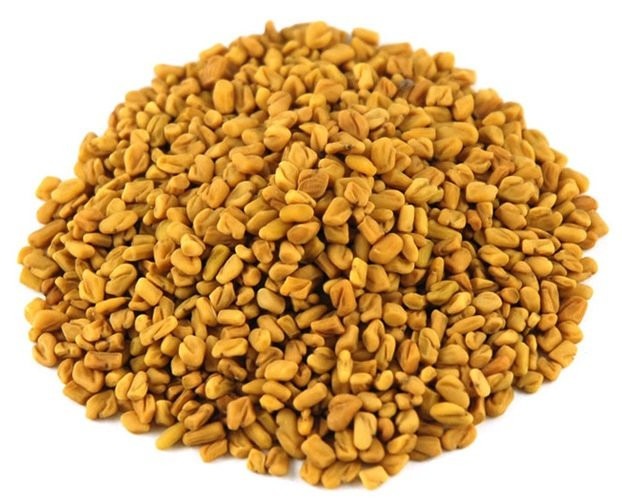
Fenugreek (Methi)
Trigonella foenum-graecum L.
Bulk fenugreek seed and dried leaf (Kasuri Methi) from India, with diosgenin and galactomannan assay for extract, food and nutraceutical manufacturers.
- Botanical nameTrigonella foenum-graecum L.
- Part usedSeed (primary trade item); leaf (fresh and dried, traded separately as Kasuri Methi)
- FamilyFabaceae
- Also known asMethi, Menthulu, Vendhayam, Uluva, Methika, Kasuri Methi (dried leaf)
- Certificate of Analysis
- Samples available
- Export documents handled
Fenugreek is the dried seed, and separately the dried leaf, of Trigonella foenum-graecum, an annual legume in the Fabaceae family grown across the drier plains of India. Buyers are spice processors, extract houses, food and nutraceutical manufacturers, and dehydrated-vegetable exporters.
Botanical identity and two distinct trade items
Fenugreek seed and dried leaf are separate commercial products with separate HS classifications, separate harvest timing and separate buyer groups, even though both come from the same plant. Seed is the hard, angular, yellowish-brown grain recovered from the mature pod. Dried leaf, sold as Kasuri Methi, is the aromatic leafy top harvested earlier in the crop cycle and shade-dried.
A buyer's enquiry should always specify which item is wanted, since seed and Kasuri Methi are priced, packed and graded on entirely different bases.
Where it grows in India
Rajasthan is India's largest fenugreek-producing state by a wide margin, with Gujarat, Uttar Pradesh and Madhya Pradesh contributing meaningfully. It is grown as a winter (rabi) crop, sown around October to November and harvested February to March.
Rajasthan's dry climate, particularly around Nagaur and the surrounding belt, is also well suited to Kasuri Methi production, since good leaf colour and aroma retention depend on low-humidity drying conditions.
Harvest and processing
For seed, plants are left to mature fully, then cut, dried and threshed to release the seed, which is cleaned and graded by size and colour. For Kasuri Methi, the leafy tops are cut at a younger growth stage, shade-dried to preserve colour and aroma, then hand or machine rubbed to separate leaflets from stem.
Why buyers source it
Fenugreek seed carries several commercially significant constituents. Diosgenin, a steroidal sapogenin, is the compound extract houses target for use as a precursor in steroid and hormone-adjacent synthesis pathways, with published genotype studies reporting seed diosgenin in roughly the 0.5 to 0.9 per cent range. 4-hydroxyisoleucine, an unusual amino acid largely unique to fenugreek, is a separate marker compound studied for metabolic research and increasingly assayed in its own right.
Seed is also a major source of galactomannan, a water-soluble fibre that gives fenugreek its characteristic mucilaginous, gel-forming property, and food manufacturers use this fibre fraction independently of the diosgenin or amino-acid content.
Forms that trade
AV Biotech supplies fenugreek seed as whole cleaned seed and seed powder, and Kasuri Methi as sortex-cleaned whole dried leaf and leaf powder. Diosgenin-assayed extraction-feedstock seed and galactomannan-focused seed lots are offered separately against buyer specification.
Industry applications of fenugreek
Fenugreek seed and Kasuri Methi leaf serve largely separate industries, and matching the item to the buyer's actual need is the first step in any enquiry.
Spice and food manufacturing
Whole and ground fenugreek seed is used in pickling spice blends, curry powders, and as a bittering and thickening agent in traditional dishes. Kasuri Methi is used as a finishing herb in North Indian curries, naan and paratha dough, and packaged spice-blend sachets.
Extract and diosgenin manufacture
Extract houses buy seed as feedstock for diosgenin extraction and for standardised fenugreek seed extracts marketed on 4-hydroxyisoleucine or saponin content. These buyers work to a target diosgenin or 4-HI assay range confirmed by HPLC.
Fibre and functional food ingredients
Fenugreek galactomannan, extracted from the seed husk, is used as a natural thickener, stabiliser and soluble-fibre ingredient in functional foods and some pharmaceutical excipient applications. This is a separate purchasing decision from diosgenin-grade seed and is typically specified by viscosity and fibre yield rather than sapogenin content.
Nutraceutical and supplement brands
Seed powder and standardised extract go into capsules and tablets positioned around metabolic and lactation-support formulas, one of fenugreek's best-known traditional uses. Kasuri Methi extract also appears in some functional food positioning, separate from the seed-based supplement category.
Dehydrated vegetable and export spice trade
Kasuri Methi is a significant standalone export item in its own right, sold whole and powdered, largely to the culinary spice and seasoning-blend trade rather than the nutraceutical sector.
Animal feed and veterinary use
Fenugreek seed and mill screenings are used in cattle feed premixes, partly for palatability and partly for traditional lactation-support use in dairy animals.
Common product formats
- Curry powders, pickling spice blends and seasoning mixes
- Kasuri Methi seasoning for curries, naan and paratha
- Diosgenin extraction feedstock and standardised seed extracts
- Galactomannan fibre ingredient for functional food
- Metabolic and lactation-support supplement capsules
- Cattle feed premixes and veterinary preparations
Traditional use and current research
Fenugreek has a long culinary and Ayurvedic history, referenced in classical texts under the name Methika, and is used across Ayurvedic, Unani and folk-medicine traditions. The notes below describe traditional positioning and published research directions, not established medical outcomes.
Lactation-support traditional use
Fenugreek's best-documented traditional use is as a galactagogue, believed across many cultures to support breast milk production in nursing mothers. Studies suggest effects on measures of milk volume in some clinical research, though results are not uniform across all published trials.
Metabolic and blood-sugar research
Fenugreek seed, and particularly its galactomannan fibre and 4-hydroxyisoleucine content, has been studied for effects on post-meal glucose response. This is an active area of published clinical research, generally involving standardised seed extract rather than whole seed as consumed in food.
Digestive and appetite use
Traditional Ayurvedic and folk use includes fenugreek seed for digestive support, prepared as a soaked-seed infusion or included in food. This traditional use predates and runs alongside current metabolic research interest.
Sports nutrition and vitality positioning
Diosgenin and saponin fractions from fenugreek have drawn interest in the sports-nutrition and men's-health supplement category. Published research in this area remains limited and should be cited carefully against the specific extract studied.
What buyers should note on claims
Diosgenin, 4-hydroxyisoleucine and galactomannan are three distinct constituent groups with different research bases, so a health claim built on one should not be transferred to a product standardised on a different marker, and whole-seed, powder and extract are not interchangeable for claim-substantiation purposes.
This information is provided for educational and B2B product-sourcing purposes only. It is not medical advice and these statements have not been evaluated by any regulatory authority. Finished-product claims are the responsibility of the manufacturer.
| Botanical name | Trigonella foenum-graecum L., Fam. Fabaceae |
|---|---|
| Part used | Dried seed (primary item); dried leaf, Kasuri Methi (separate trade item) |
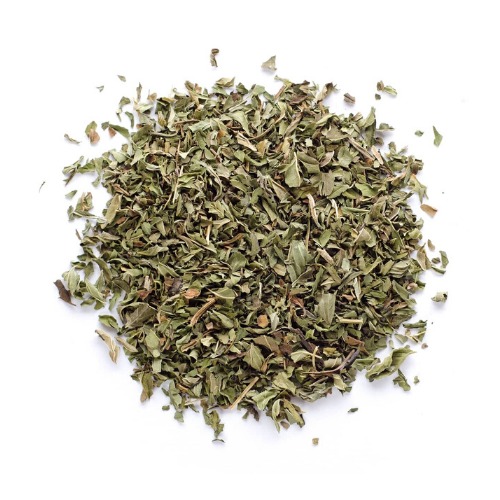
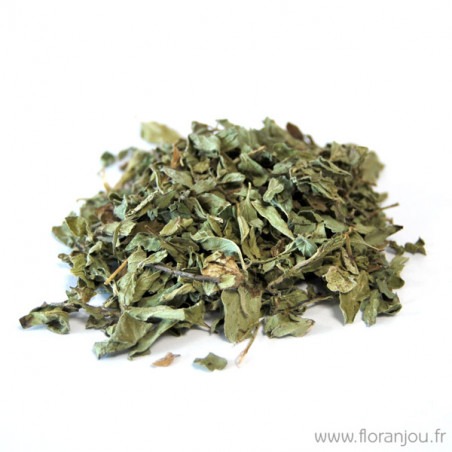
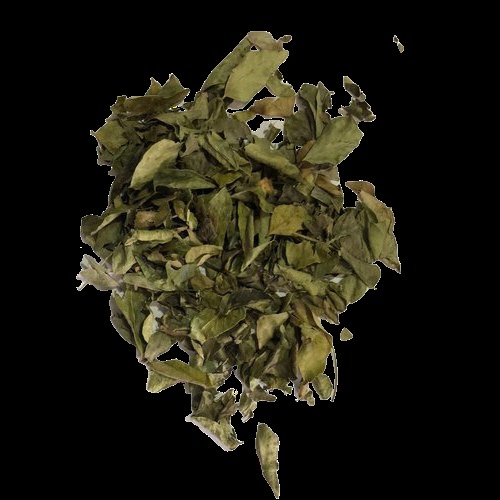
| Appearance | Seed: hard, angular, yellowish-brown to amber, characteristic bitter-aromatic odour. Kasuri Methi: small, dark-green dried leaflets, strong maple-like aroma |
| Active constituents - seed | Diosgenin (steroidal sapogenin, reported genotype range roughly 0.5 to 0.9 per cent), 4-hydroxyisoleucine (reported range roughly 0.4 to 1.9 per cent), galactomannan (soluble fibre), trigonelline |
| Assay method | Diosgenin and 4-hydroxyisoleucine typically assayed by HPLC; specific figure and range confirmed on the batch Certificate of Analysis, as content varies with genotype, irrigation and season |
| Moisture | Not more than 10 per cent for seed; not more than 8 per cent for Kasuri Methi (typical) |
| Total ash | Not more than 6 per cent for seed, not more than 12 per cent for Kasuri Methi (typical) |
| Acid-insoluble ash | Not more than 1 per cent for seed (typical) |
| Foreign matter | Not more than 1 per cent for seed; not more than 2 per cent stem content for Kasuri Methi |
| Particle size | Whole seed (graded by size); seed powder 60 to 80 mesh; Kasuri Methi whole leaf or powder |
| Pesticide/heavy-metal/microbial testing | Tested against buyer-nominated panel; EU MRL or Codex limits available on request |
| Packing | 25-50 kg PP/HDPE laminated bags with food-grade liner for seed; 10-20 kg cartons or bags for Kasuri Methi to protect aroma and colour |
| Shelf life | 24 months for whole seed, 12 to 18 months for seed powder, 12 months for Kasuri Methi |
Values are typical and indicative. A lot-specific Certificate of Analysis is shared before dispatch.
What is your minimum order quantity for fenugreek seed and Kasuri Methi?
500 kg for whole seed, 100 kg for seed powder, and 50 kg for Kasuri Methi. Paid samples of 250 g to 1 kg are supplied for assay and aroma evaluation, adjusted against your first commercial order.
Are fenugreek seed and Kasuri Methi the same product?
No. Seed is the mature dried grain used in spice blends and extraction, while Kasuri Methi is the dried leafy top of the same plant, harvested earlier and used mainly as a culinary seasoning. They are separate trade items with different HS codes, please specify which one you need.
Can you supply fenugreek seed to a target diosgenin or 4-hydroxyisoleucine assay?
Yes. Diosgenin and 4-hydroxyisoleucine content vary with genotype and growing season, so we select and blend lots to your agreed range and share the pre-shipment HPLC result before dispatch. Please confirm which marker your specification requires.
What documentation comes with an export shipment?
Each lot ships with a batch Certificate of Analysis, packing list, invoice, phytosanitary certificate and Certificate of Origin. Organic transaction certificates are supplied where the lot is NPOP, NOP or EU organic certified.
What is the typical lead time and harvest season?
7 to 12 working days for stock grades from Jaipur. Fenugreek is a winter crop, harvested February to March, so fresh-season stock and specific assay-range extraction feedstock are best contracted ahead of the harvest window.
Enquire about Fenugreek (Methi)
No payment is taken here — this reaches our sourcing team directly.
Related products