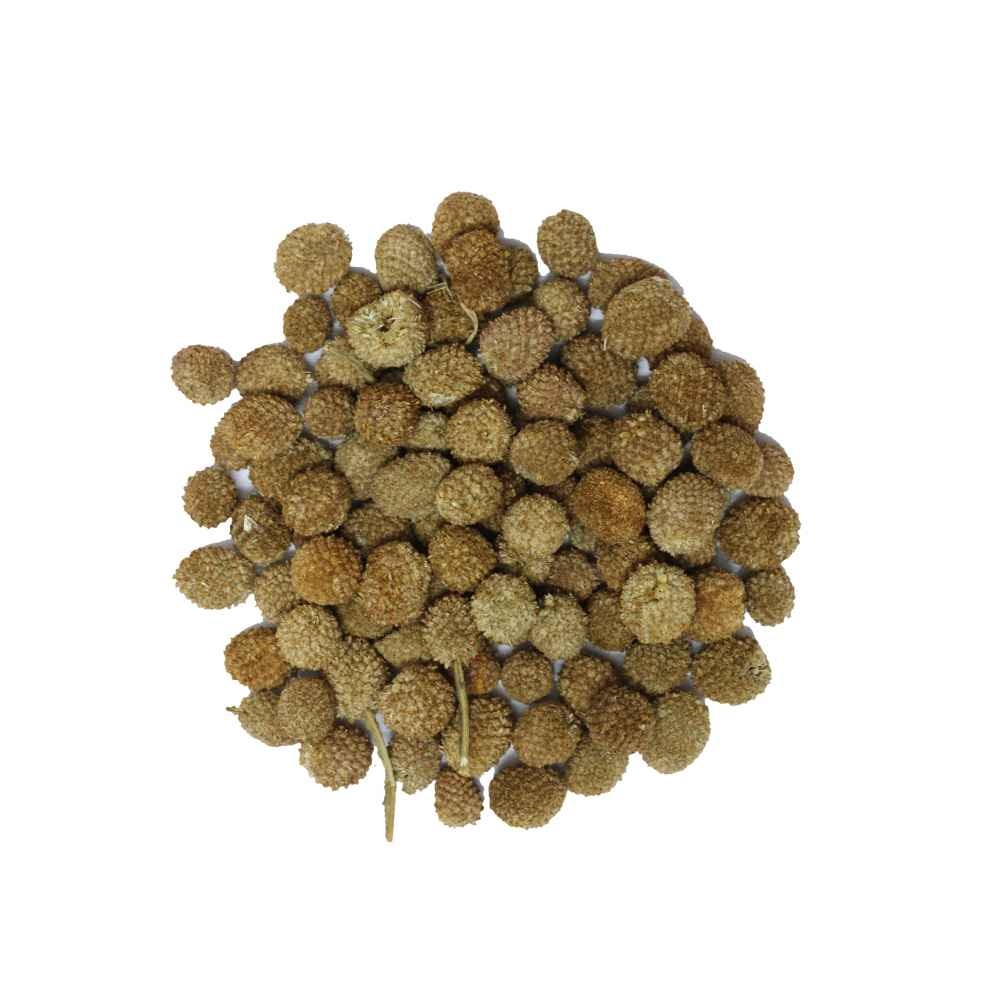
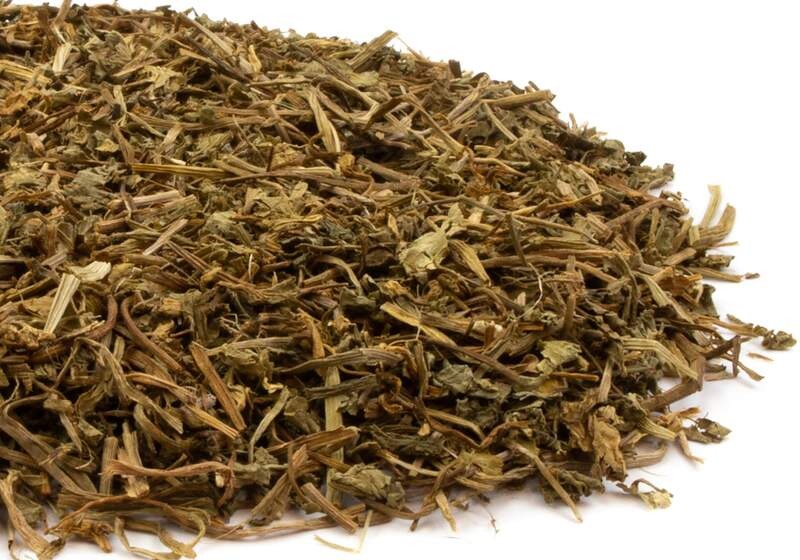
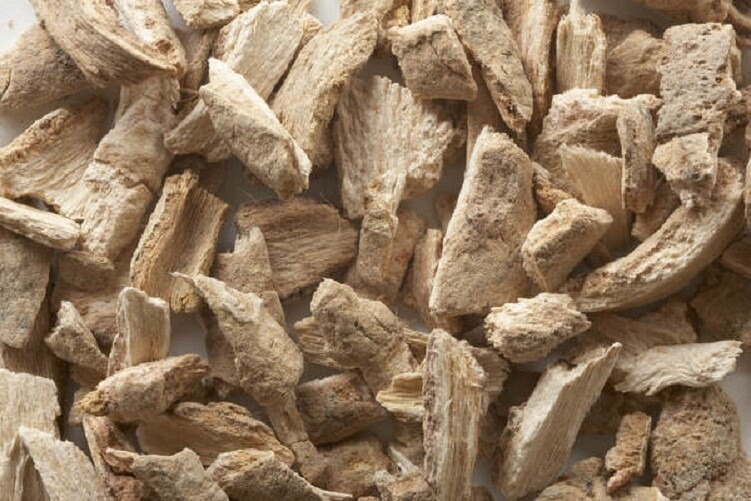
Harsingar (Night Jasmine)
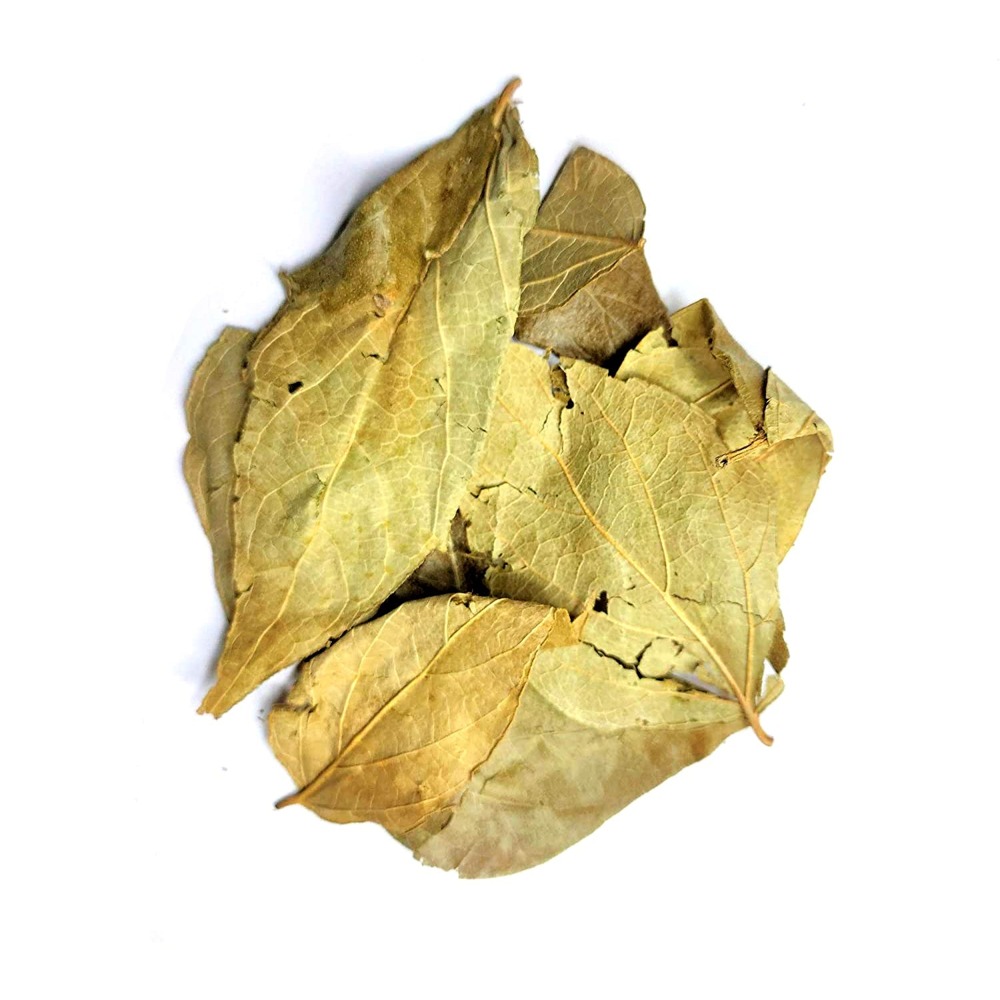
Harsingar (Night Jasmine)
Nyctanthes arbor-tristis L.
Bulk Harsingar (Nyctanthes arbor-tristis) leaf, flower and powder grades for Ayurvedic, nutraceutical and extract manufacturers sourcing from India.
- Botanical nameNyctanthes arbor-tristis L.
- Part usedLeaf (primary trade grade); flower, seed and bark traded separately
- FamilyOleaceae
- Also known asParijat, Parijatak, Shefali, Shiuli, Sheoli, Pavazhamalli, Parijatham, Goli, Khursal, Seori
- Certificate of Analysis
- Samples available
- Export documents handled
Harsingar is the dried leaf of Nyctanthes arbor-tristis L., a small Oleaceae tree also called Parijat or Night Jasmine. The leaf is the main traded part, with flowers sold separately for dye and aroma use.
Botanical identity and the parts in trade
The tree carries opposite, rough-surfaced leaves 6 to 12 cm long on quadrangular young branches. The upper leaf surface is distinctly sandpapery to touch, which is the fastest field identification check.
Flowers open at night and drop at dawn, giving the species name arbor-tristis, the sorrowful tree. The corolla is white and the tube is bright orange. Flowers are collected from the ground at first light.
Four parts trade at different values: leaf for herbal use, flower for natural colour and fragrance, seed for extract work, and bark in small volume. They are not interchangeable and must be specified individually.
Where it grows and when it is harvested
The tree is widespread across northern and central India and is common in temple grounds, gardens and village boundaries. Commercial collection centres on Uttar Pradesh, Madhya Pradesh, Bihar, West Bengal, Assam, Maharashtra and the Himalayan foothills.
Leaf is harvested largely through the year, with better quality from mature foliage in the cooler months. Flowering runs roughly August to December, and the flower window is short, which is why flower lots need advance booking.
Processing and quality pitfalls
Leaves are stripped, cleaned of petiole and twig, and shade dried to preserve the green. Sun drying browns the leaf quickly. The rough leaf surface holds dust, so washing before drying matters and shows up as acid-insoluble ash if skipped.
Flowers are dried very gently, since the orange tube pigment degrades with heat and light. Flower lots with faded tubes fetch a much lower value in the natural-colour trade.
What buyers assay
The plant is characterised by iridoid glycosides, principally arbortristosides A, B and C, along with phenylethanoid glycosides, nyctanthoside and flavonoids. The orange flower tube carries the carotenoid nyctanthin, chemically related to crocetin.
There is no widely accepted commercial assay standard for Harsingar leaf, and the Ayurvedic Pharmacopoeia of India does not carry it as a headline monograph the way Haritaki or Ashwagandha are covered. Buyers therefore contract on identity, purity and physical limits rather than on a marker percentage. Where an assay is needed, an HPTLC fingerprint is the practical route.
Forms that trade
AV Biotech supplies Harsingar as dried whole leaf, cut and sifted leaf, milled leaf powder, and dried flowers on seasonal contract. Seed and bark are quoted on enquiry.
Industry applications of Harsingar
Harsingar sits in a smaller, specialist part of the herbal trade. Demand has grown sharply on the back of consumer interest in leaf decoctions, but grade discipline is still weak in the open market.
Ayurvedic and classical manufacturing
Leaf powder and cut leaf feed kwath, kadha, churna and taila preparations. Harsingar appears in traditional joint-comfort and fever-season formulations, often alongside Giloy, Tulsi and Sonth.
Classical units generally want destemmed leaf with visible green retained, since a brown lot suggests poor drying.
Nutraceutical and herbal tea
Cut leaf is used in single-herb and blended immunity teas and in kadha premixes. Tea-cut buyers need low dust and a controlled particle band.
Supplement brands buy 80 mesh powder for capsules and tablets, and a smaller volume of extract for joint-support and seasonal-wellness positioning.
Extraction houses
Extractors work on leaf and seed. Seed carries the arbortristosides at the highest concentration and is the preferred feedstock for research-driven fractions. Leaf extracts are used in general wellness and joint formats.
Natural colour and fragrance
The orange flower tube is a traditional saffron-substitute dye used on silk and cotton in Bengal and Odisha. Perfumery uses the flower for a night-blooming jasmine character, though volumes are small and seasonal.
Cosmetic and personal care
Leaf and flower extracts are used in scalp preparations, hair oils and soothing skin bases. Flower-based colour also appears in natural-cosmetic formulations.
Common product formats
- Kadha and kwath premixes for seasonal wellness
- Single-herb and blended herbal teas
- Capsules and tablets positioned around joint comfort
- Classical Ayurvedic churna, taila and decoction concentrates
- Hair oils and scalp preparations
- Natural textile dye from the orange flower tube
- Perfumery and aroma extracts from fresh flowers
Traditional use and research context
Harsingar has a long record in Ayurveda, Unani and tribal practice across the Indian subcontinent. Classical and folk texts describe the leaf decoction as a bitter tonic used in fever and joint complaints.
Joint comfort positioning
This is the best-documented research area. Traditionally used in Ayurveda for obstinate sciatica and joint stiffness, the leaf has been examined in adjuvant-induced arthritis models and in in vitro anti-rheumatic screening.
Brands commonly formulate it into products positioned around joint comfort and mobility. Human evidence remains limited.
Seasonal fever traditions
Folk practice across India uses the leaf decoction during intermittent fevers. Interest has grown around dengue and chikungunya seasons, and preclinical work has examined haematological parameters including platelet and red-cell counts in animal models.
This area attracts overstated marketing. No regulatory authority has approved Harsingar for any fever or viral condition, and finished-product claims must not imply treatment.
Antioxidant and anti-inflammatory framing
Compounds isolated from the plant have shown inhibition of reactive oxygen species in blood phagocyte assays. Studies suggest anti-inflammatory activity for the iridoid glycoside fraction in laboratory models.
Immunomodulatory research
Arbortristosides from the seed have been studied for immunomodulatory and antileishmanial activity in preclinical work. Reviews describe this as an early-stage evidence base.
Skin and hair traditions
Leaf paste and oil infusions are traditionally applied on the scalp. Formulators use leaf extract in scalp-comfort and dandruff-positioned cosmetic products.
Notes buyers should carry into claims
Evidence for Harsingar is largely preclinical. Buyers building label claims in regulated markets should be conservative, and should note that fever and platelet-related messaging is specifically restricted in India under the Drugs and Magic Remedies Act.
Part specificity also matters. Seed-based research does not substantiate a leaf-powder product.
This information is provided for educational and B2B product-sourcing purposes only. It is not medical advice and these statements have not been evaluated by any regulatory authority. Finished-product claims are the responsibility of the manufacturer.
| Botanical name | Nyctanthes arbor-tristis L., Fam. Oleaceae |
|---|---|
| Part used | Dried leaf (primary grade); dried flower, seed and bark quoted separately |
| Appearance | Cut leaf: green to olive-green flakes, upper surface rough to touch. Powder: green to greenish-brown. Flower: white corolla with orange tube |
| Odour and taste | Faint characteristic odour; taste distinctly bitter |
| Active constituents (typical assay) | Iridoid glycosides, principally arbortristosides A, B and C, with phenylethanoid glycosides, nyctanthoside and flavonoids. Flower tube carries the carotenoid nyctanthin. No industry-standard marker percentage exists for leaf, so material is contracted on identity and purity. HPTLC fingerprint available on request |
| Moisture / loss on drying | Not more than 10 per cent (typical 6 to 9 per cent) |
| Total ash | Not more than 12 per cent (indicative trade limit for leaf) |
| Acid-insoluble ash | Not more than 3 per cent (indicative). The rough leaf surface traps dust, so a high figure indicates poor washing |
| Foreign matter | Not more than 2 per cent; stem and petiole content declared separately and kept under 5 per cent on tea-cut grade |
| Particle size | Tea-cut 2 to 5 mm; cut and sifted 5 to 10 mm; powder at 40, 60, 80 or 100 mesh BSS |
| Heavy metals | Lead NMT 10 ppm, Arsenic NMT 3 ppm, Cadmium NMT 0.3 ppm, Mercury NMT 1 ppm (AYUSH basis, by ICP-MS) |
| Pesticide residues | Multi-residue screen against EU MRL (Reg. 396/2005) on request; organic lots screened as standard |
| Microbiology | Total plate count NMT 10^5 cfu/g; yeast and mould NMT 10^3 cfu/g; E. coli, Salmonella, S. aureus and P. aeruginosa absent |
| Aflatoxins | B1 not more than 5 ppb, total not more than 10 ppb (EU herbal-material basis) |
| Packing | 20 to 25 kg HDPE or paper-laminated bags with food-grade LDPE liner; fibre drums for low-density cut leaf and for dried flower |
| Shelf life | 24 months for leaf powder and cut leaf; 12 months for dried flower, in sealed original packing |
Values are typical and indicative. A lot-specific Certificate of Analysis is shared before dispatch.
What is your minimum order quantity for Harsingar leaf?
100 kg per grade for leaf powder and cut leaf, 50 kg for dried flower subject to season, and 25 kg for extracts. We supply 250 g to 1 kg evaluation samples so your team can confirm colour, cut size and bitterness profile before a bulk commitment.
Can you supply the flower as well as the leaf?
Yes, but only on seasonal contract. Flowering runs roughly August to December and flowers are collected from the ground at dawn, so the window is short. The orange corolla tube is the valuable fraction for natural colour, and it fades with heat and light, so we dry gently and pack with a light barrier.
Is there a standard assay for Harsingar?
Not one the trade agrees on. The characteristic markers are the iridoid glycosides arbortristosides A, B and C, but no commercial percentage standard is in general use for leaf. We contract on botanical identity, ash, moisture and foreign-matter limits, and we can provide an HPTLC fingerprint where your QC needs a comparative identity record.
Can you customise mesh, cut size and packing?
Yes. We mill to 40, 60, 80 and 100 mesh and supply tea-cut at 2 to 5 mm with dust removed and stem content under 5 per cent. Packing can be changed to 20 kg or 25 kg bags, fibre drums or your own private-label sacks.
What is the typical lead time?
Seven to twelve working days for stock leaf grades from Jaipur. Organic-certified lots and custom cut sizes take three to four weeks. Dried flower must be booked against the August to December flowering season and cannot be produced outside it.
Enquire about Harsingar (Night Jasmine)
No payment is taken here — this reaches our sourcing team directly.
Related products