Moringa
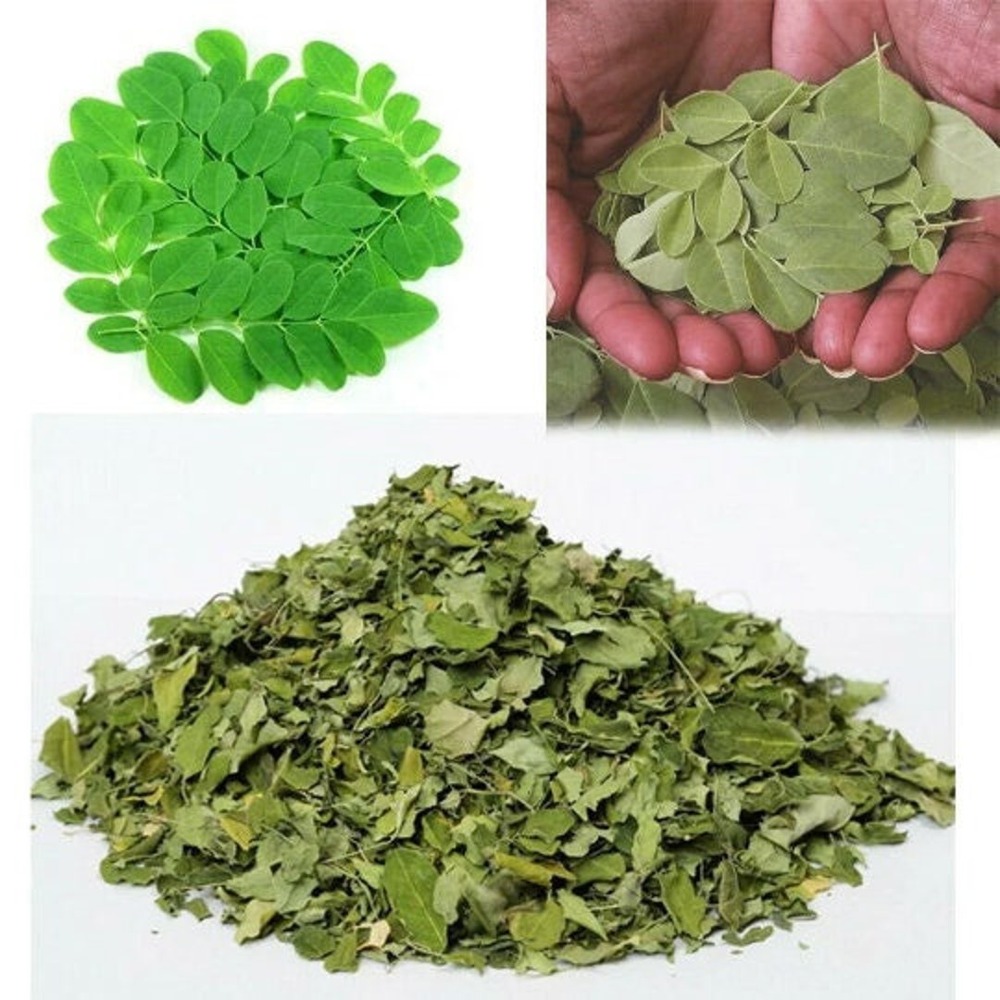
Moringa
Moringa oleifera Lam.
Bulk Moringa leaf powder and dried leaf (Moringa oleifera) for nutraceutical, food, beverage, cosmetic and feed manufacturers sourcing green superfood raw material.
- Botanical nameMoringa oleifera Lam.
- Part usedLeaf (primary trade grade), seed, pod, flower, root bark
- FamilyMoringaceae
- Also known asShigru, Sahajan, Munga, Sohanjana, Sajina, Nugge, Murungai, Munaga, Muringa, Saragavo
- Certificate of Analysis
- Samples available
- Export documents handled
Moringa is the dried leaf of Moringa oleifera, sold into the global greens-powder, functional food and personal-care trade. It is one of the few Indian botanicals bought primarily on nutritional composition rather than on a single marker compound.
Botanical identity and part used
Moringa is a fast-growing small tree of the Moringaceae family, a family with only one genus. It carries tripinnate compound leaves and long ribbed pods, which is where the English name drumstick tree comes from.
Leaf is the main traded part and the one covered by the Shigru leaf monograph in the Ayurvedic Pharmacopoeia of India. Seed, pod, flower and root bark trade separately and carry entirely different specifications.
Where it grows in India
Moringa is found wild in the sub-Himalayan tract and cultivated across the country. Tamil Nadu, Andhra Pradesh, Telangana, Karnataka, Gujarat and Rajasthan carry the bulk of organised plantation area.
Cultivar affects yield and leaf character. PKM-1 is grown for heavy biomass and tender leaf, PKM-2 branches more laterally for higher leaf output, and ODC-3 is favoured for close-spacing annual leaf plantations.
Harvest and processing
Dedicated leaf plantations are cut several times a year rather than harvested once. Leaves are stripped from the rachis, washed, and dried before milling.
Drying temperature is the whole quality argument in Moringa. Shade drying or controlled drying below about 50 degrees C holds chlorophyll and carotenoids, which is what produces the bright green powder buyers expect. Sun drying and hot-air drying are cheaper but give a dull olive or khaki powder, and no amount of fine milling will bring that colour back.
Why buyers source it
Dried Moringa leaf is nutritionally dense in a way few leaf powders are. Published analyses put crude protein around 25 per cent, with reported ranges of roughly 23 to 29 per cent, alongside calcium, iron, beta-carotene and dietary fibre.
The leaf also carries glucosinolates that convert to isothiocyanates, plus flavonoids including quercetin and kaempferol and chlorogenic acid. This combination is why the same material sells into both food and cosmetic channels.
Forms that trade
AV Biotech supplies dried whole leaf, cut leaf and milled leaf powder at 60 to 80 mesh, with 200 mesh micro-fine available for beverage applications. Moringa seed and cold-pressed seed oil are quoted separately. Organic-certified lots are available against advance contract.
Industry applications of Moringa
Moringa crosses more categories than most Indian botanicals, and the buying criteria shift sharply between them.
Nutraceutical and supplement brands
The largest export pull. Leaf powder goes into single-ingredient capsules and tablets, greens blends, plant protein stacks and daily nutrition sachets. Buyers here specify mesh, protein content, moisture and microbial load.
Food and beverage
Moringa is formulated into smoothie premixes, energy bars, soups, pasta, biscuits, instant mixes and ready-to-drink beverages. Beverage buyers need 200 mesh micro-fine powder so it disperses without grit, and they judge lots on colour before anything else.
Ayurvedic and pharmaceutical manufacturing
Shigru leaf appears in classical preparations including Ratnagiri Rasa and Vishatinduka Taila. These units buy coarse powder or cut leaf against Ayurvedic Pharmacopoeia of India extractive values.
Cosmetic and personal care
Leaf powder goes into face packs, hair masks and cleansing blends. Moringa seed oil, also called ben oil, is prized in cosmetics for its stability and light feel, and is used in serums, balms and hair products.
Animal nutrition and agriculture
Leaf meal is used in poultry, dairy and aquaculture feed as a protein and micronutrient supplement. Deoiled seed cake has a separate use in water treatment, where its cationic proteins help clarify turbid water.
Common product formats
- Moringa capsules, tablets and single-ingredient powders
- Greens blends, plant protein powders and daily nutrition sachets
- Functional beverages, smoothie mixes and instant drinks
- Energy bars, biscuits, soups, pasta and fortified staples
- Face packs, hair masks and cleansing powders
- Moringa seed oil for cosmetic serums, balms and hair care
- Poultry, dairy and aquaculture feed premixes
- Herbal teas and infusion blends using cut leaf
Traditional use and current research
The Ayurvedic Pharmacopoeia of India lists Shigru leaf constituents as carbohydrate, protein, carotene and ascorbic acid, and records traditional applications including Shopha, Gulma, Medoroga and Krimiroga. Its listed actions include Chakshushya and Medohara.
The notes below describe traditional positioning and published research directions. They are not statements of medical outcome.
Everyday nutritional support
This is Moringa's clearest commercial position. The dried leaf supplies protein, calcium, iron, beta-carotene and fibre in a single plant ingredient, and brands formulate it into products targeting general daily nutrition and dietary gap-filling.
Antioxidant positioning
Studies suggest antioxidant activity linked to the leaf's flavonoid and polyphenol content, particularly quercetin, kaempferol and chlorogenic acid. Products in this space are positioned around antioxidant support.
Energy and vitality formulations
Traditional use across India and West Africa centres on Moringa as a strengthening food. Supplement brands formulate it into products targeting daily energy, stamina and general vitality.
Maternal and micronutrient blends
The leaf's calcium and iron content has made it a common ingredient in fortification programmes and micronutrient blends. Acceptability studies have looked at leaf-fortified dishes in community nutrition settings.
Skin and hair formulations
Cosmetic formulators use leaf powder and seed oil in products targeting skin conditioning, scalp care and the appearance of hair strength, under cosmetic claim rules.
What buyers should note on claims
Published nutrient values for Moringa vary widely between studies because growing conditions, cultivar, leaf maturity and drying method all move the numbers. Protein figures alone span roughly 23 to 29 per cent in the literature. Any nutritional label figure must come from your own tested incoming lots.
This information is provided for educational and B2B product-sourcing purposes only. It is not medical advice and these statements have not been evaluated by any regulatory authority. Finished-product claims are the responsibility of the manufacturer.
| Botanical name | Moringa oleifera Lam., Fam. Moringaceae |
|---|---|
| Part used | Dried leaf (leaflets, rachis removed); seed and pod quoted separately |
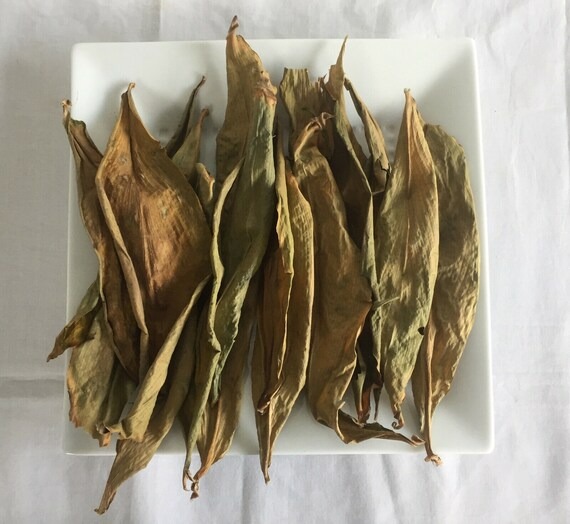
| Appearance | Bright to deep green fine powder; dried leaf greenish-grey to pale green |
| Odour and taste | Mild green, slightly grassy; taste faintly bitter |
| Active constituents | Carbohydrate, protein, carotene and ascorbic acid (API). Flavonoids including quercetin and kaempferol, chlorogenic acid, and glucosinolates yielding isothiocyanates |
| Crude protein | Typically 22 to 27 per cent; minimum 24 per cent available on specification |
| Moisture | Not more than 8 per cent (typical trade limit); 5 per cent achievable on request |
| Total ash | Not more than 16 per cent (API limit) |
| Acid-insoluble ash | Not more than 4 per cent (API limit) |
| Foreign matter | Not more than 2 per cent (API limit); stalk and rachis content controlled at sieving |
| Alcohol-soluble extractive | Not less than 8 per cent (API limit) |
| Water-soluble extractive | Not less than 22 per cent (API limit) |
| Particle size | 60 to 80 mesh standard; 200 mesh micro-fine for beverage applications; cut leaf for tea blends |
| Drying method | Shade or controlled drying below 50 degrees C to retain chlorophyll and carotenoids; stated on the Certificate of Analysis |
| Heavy metals | Lead NMT 10 ppm, Arsenic NMT 3 ppm, Cadmium NMT 0.3 ppm, Mercury NMT 1 ppm (AYUSH limits) |
| Pesticide residues | Tested against EU MRL; organic lots screened on a multi-residue panel |
| Microbiology | Total plate count NMT 100,000 cfu/g, Yeast and mould NMT 1,000 cfu/g, E. coli and Salmonella absent |
| Packing | 25 kg HDPE or PP laminated bags with food-grade LDPE inner liner; 20 kg kraft paper bags for powder; aluminium-lined bags for colour-critical lots |
| Shelf life | 24 months for leaf powder in sealed original packing; colour fades earlier if exposed to light |
| Note | All values are typical or indicative. Nutrient composition varies with cultivar, leaf maturity, season and drying method, and is confirmed on the batch Certificate of Analysis |
Values are typical and indicative. A lot-specific Certificate of Analysis is shared before dispatch.
What is your minimum order quantity for Moringa leaf powder?
250 kg for standard 60 to 80 mesh leaf powder and 500 kg for dried or cut leaf. The 200 mesh micro-fine beverage grade starts at 100 kg. Paid samples of 1 to 2 kg are available for formulation and dispersion trials.
How do you protect the green colour of the powder?
Leaves are shade dried or dried under controlled conditions below 50 degrees C, which retains chlorophyll and carotenoids. We state the drying method on the Certificate of Analysis. For colour-critical export lots we pack in aluminium-lined or vacuum bags, since light exposure fades the powder faster than age does.
Can you supply against a minimum protein specification?
Yes. Our standard lots test in the 22 to 27 per cent crude protein range, and we can supply against a minimum 24 per cent specification on contract. Protein moves with leaf maturity and cultivar, so a guaranteed minimum needs advance planning rather than spot supply.
What quality tests are covered on the Certificate of Analysis?
Moisture, total ash, acid-insoluble ash, crude protein, particle size, heavy metals, pesticide residues and full microbiology including total plate count, yeast and mould, E. coli and Salmonella. Additional parameters such as fibre, fat or specific minerals can be added on request.
What is the typical lead time?
10 to 15 working days for stock grades from Jaipur. Organic-certified lots, 200 mesh micro-fine milling and buyer-specified protein grades take 3 to 4 weeks. Because leaf plantations are cut several times a year, Moringa supply is steadier through the year than root or fruit crops.
Enquire about Moringa
No payment is taken here — this reaches our sourcing team directly.
Related products