Angur Shafa
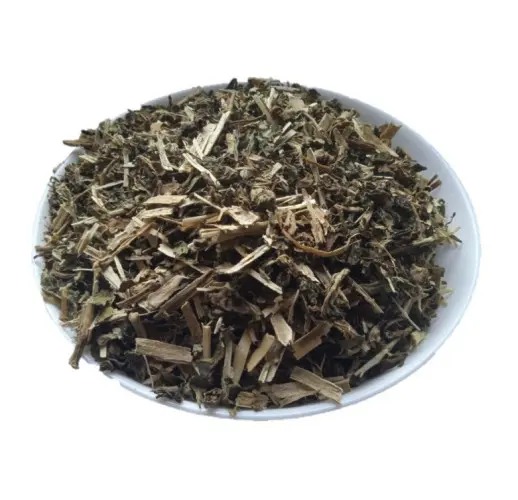
Angur Shafa
Atropa belladonna L.
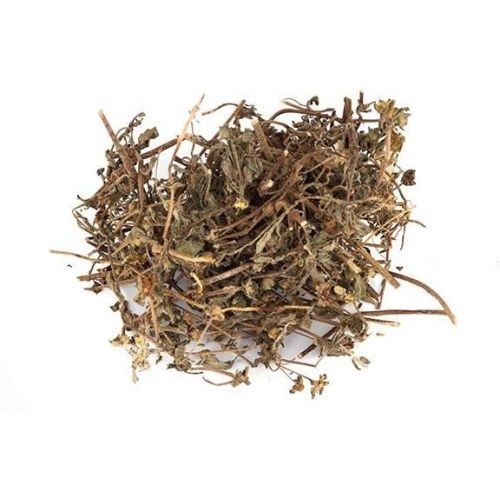
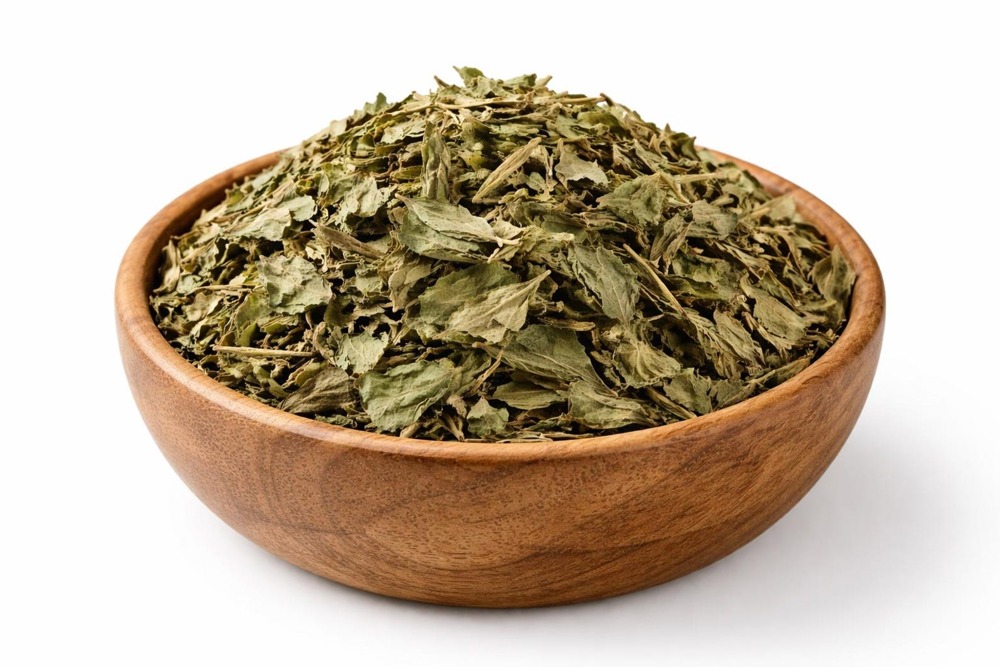
Belladonna leaf (Atropa belladonna), a restricted tropane-alkaloid raw material supplied only to licensed pharmaceutical and homeopathic manufacturers.
- Botanical nameAtropa belladonna L.
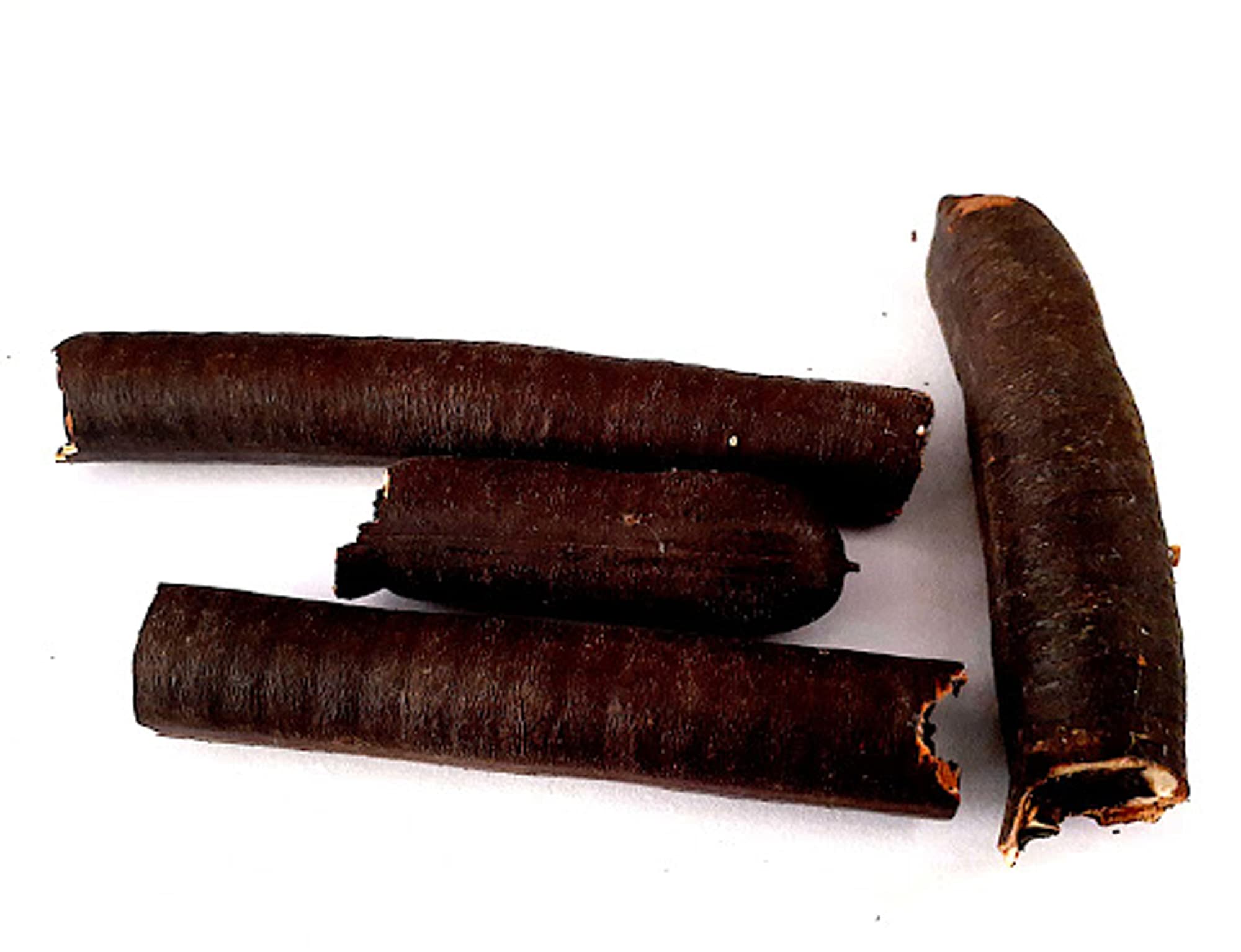
- Part usedLeaf (primary trade grade); root supplied only against specific pharmaceutical contract
- FamilySolanaceae
- Also known asAngoor Shifa, Soochi, Indian Belladonna (related species Atropa acuminata), Yebruj (Unani trade name)
- Certificate of Analysis
- Samples available
- Export documents handled
Angur Shafa is the Indian trade name for Belladonna, the dried leaf and, on specific contract, root of Atropa belladonna. This is a poisonous plant and a scheduled pharmaceutical raw material, not a general wellness herb, and it is supplied strictly for licensed manufacturing use.
Botanical identity and part used
Atropa belladonna belongs to the Solanaceae family, the nightshade family that also includes tomato, potato and datura. The whole plant is toxic, and toxicity is highest in the root and in unripe berries.
The commercial pharmacopoeial drug is the dried leaf, collected with young flowering tops. Root is traded in much smaller volume and only against a specific buyer contract with confirmed end use, since it carries a higher and less predictable alkaloid load.
Regulatory position
Belladonna alkaloids, principally atropine and scopolamine, are active pharmaceutical ingredients used in approved prescription medicines. Finished formulations built on these alkaloids, such as atropine sulphate injection, fall under Schedule H of the Drugs and Cosmetics Rules in India, meaning they are dispensed only against a registered medical practitioner's prescription.
Raw belladonna leaf and root are supplied only to buyers holding a valid drug manufacturing licence, import licence or homeopathic manufacturing licence, against a signed end-use declaration. This material is not sold for retail, direct consumption, or unlicensed formulation of any kind.
Where it grows
Atropa belladonna and the closely related Indian species Atropa acuminata occur naturally in the Western Himalaya, from Kashmir through Himachal Pradesh, typically between 1,800 and 3,600 metres. Limited cultivation is carried out under institutional and licensed pharmaceutical programmes in this belt.
Harvest and processing
Leaf and flowering tops are collected during the flowering period, when alkaloid content is at its most consistent. Material is shade dried to preserve alkaloid content, since prolonged heat and light exposure degrade tropane alkaloids.
Dried leaf is milled or cut to the buyer's specification for alkaloid extraction. All handling, storage and dispatch follow poison-handling protocols, with restricted access and documented chain of custody.
Forms that trade
AV Biotech supplies dried belladonna leaf as whole leaf or coarse-cut material for extraction and homeopathic mother tincture production. Root is quoted separately and only against a specific pharmaceutical purchase order with documented licensing.
Industry applications of Belladonna
Belladonna leaf and root move exclusively into regulated pharmaceutical and homeopathic manufacturing, never into food, cosmetic or general nutraceutical use.
Pharmaceutical API manufacturing
Licensed API manufacturers extract atropine and scopolamine from belladonna leaf for use in approved drug products. Atropine sulphate is used as an ophthalmic mydriatic, as pre-anaesthetic medication to reduce secretions, as an antidote in organophosphate and certain nerve-agent poisoning, and to manage symptomatic bradycardia.
Scopolamine, also extracted from this plant group, is formulated into motion-sickness preparations and used as an antispasmodic. These are established, regulator-approved pharmaceutical uses of the purified alkaloid, not uses of the raw leaf itself.
Homeopathic manufacturing
Belladonna is one of the most widely used homeopathic mother tinctures, listed in the Homoeopathic Pharmacopoeia of India. Homeopathic manufacturers buy fresh or dried whole-plant and leaf material to prepare Belladonna Q and its potentised dilutions under licensed homeopathic manufacturing conditions.
Veterinary pharmaceutical use
Atropine derived from belladonna is used in veterinary pre-anaesthetic and antidote formulations, supplied to licensed veterinary drug manufacturers under the same controlled-material handling terms.
Research and pharmacognosy
Universities and pharmacognosy research institutes source small, documented quantities for alkaloid extraction studies and analytical method development. These orders are typically small in volume but require the same licence or institutional mandate as a commercial pharmaceutical order.
What a genuine buyer enquiry looks like
A legitimate enquiry for this material states the intended finished product, the manufacturing or import licence number, and the alkaloid form required, atropine, scopolamine or total alkaloid leaf. Enquiries that omit this information, or that describe a consumer wellness, food or cosmetic end use, cannot be quoted.
Who this material is not for
- Not supplied for food, beverage, cosmetic or general nutraceutical formulation
- Not supplied for direct retail, self-medication, or unlicensed compounding
- Not supplied without a valid manufacturing or research licence and end-use declaration
- Not intended for use by buyers without pharmaceutical handling and storage capability
Pharmacological role and regulatory framing
Atropa belladonna is a source plant for tropane alkaloids used in regulated medicine, not a traditional wellness herb, and this section describes the pharmacology of its alkaloids as recognised in approved drug products, not properties of the raw plant material sold.
None of the following describes a use of the raw leaf or root outside licensed pharmaceutical manufacturing, and none of it is a recommendation for self-use.
Anticholinergic and antispasmodic pharmacology
Atropine works by blocking acetylcholine receptors, which is why it reduces smooth-muscle spasm and glandular secretion in approved clinical settings. This anticholinergic action is the pharmacological basis for its use in pre-anaesthetic medication and antispasmodic drug products.
Ophthalmic mydriatic use
Atropine sulphate eye drops are an approved product used by ophthalmologists to dilate the pupil for eye examination and in certain therapeutic eye conditions. This is a prescription-only, clinician-administered use.
Antidote use in poisoning
Atropine is the standard antidote used in hospital treatment of organophosphate pesticide and certain nerve-agent poisoning, where it counteracts excessive cholinergic stimulation. This is an emergency medical use administered under clinical supervision.
Homeopathic traditional use
In homeopathic practice, Belladonna is traditionally used at high dilution for conditions involving sudden onset of fever, throbbing pain and inflammation, based on homeopathic provings rather than pharmacological dose-response evidence. This traditional positioning is specific to homeopathic potencies, not the raw plant material.
What buyers should note on claims
Any finished-product claim built on belladonna-derived alkaloids must be backed by the buyer's own regulatory approval for that specific drug product and market. This raw material carries no independent health claim of its own.
This information is provided for educational and B2B product-sourcing purposes only. It is not medical advice and these statements have not been evaluated by any regulatory authority. Finished-product claims are the responsibility of the manufacturer.
| Botanical name | Atropa belladonna L., Fam. Solanaceae |
|---|---|
| Part used | Dried leaf and flowering tops (standard grade); root supplied only against specific contract |
| Appearance | Dried leaf dull green to greyish green, brittle, with visible midrib and petiole fragments |
| Odour and taste | Faint, slightly narcotic odour; taste bitter (not to be tasted for identification due to toxicity) |
| Active constituents | Tropane alkaloids, principally atropine (dl-hyoscyamine) and scopolamine (hyoscine); leaf typically standardised to not less than 0.3 to 0.35 per cent total alkaloids on a dried basis, consistent with pharmacopoeial leaf standards |
| Moisture | Not more than 10 per cent (typical trade limit) |
| Total ash | Not more than 12 per cent (typical trade limit for leaf drugs) |
| Acid-insoluble ash | Not more than 2 per cent (typical trade limit) |
| Foreign matter | Not more than 2 per cent; free from other Solanaceae leaf material |
| Particle size | Whole leaf or coarse cut, 5 to 20 mm, as specified by the extracting manufacturer; not milled to fine powder as standard, to support alkaloid stability and controlled handling |
| Alkaloid testing | Titrimetric or HPLC assay for total alkaloids as hyoscyamine/atropine, reported per lot |
| Heavy metals and pesticide residues | Tested against destination pharmacopoeial limits on request |
| Microbiology | Total plate count, yeast and mould, E. coli and Salmonella tested per lot for pharmaceutical-grade acceptance |
| Packing | Poison-labelled, tamper-evident double-lined bags or drums, quantity and labelling per buyer's licensing requirement |
| Shelf life | 24 months from date of packing when stored dry, dark and cool in sealed original packing |
| Note | All values are typical or indicative. Actual lot alkaloid content varies with origin, harvest stage and drying method, and is confirmed on the batch Certificate of Analysis. This is a restricted, toxic raw material |
Values are typical and indicative. A lot-specific Certificate of Analysis is shared before dispatch.
Who can buy Belladonna leaf from AV Biotech?
Only buyers holding a valid pharmaceutical drug manufacturing licence, import permit, homeopathic manufacturing licence, or a documented research institution mandate. We require a signed end-use declaration before any quotation is confirmed.
What is the minimum order quantity?
25 kg for dried leaf, subject to licence verification. Root is quoted separately in smaller volumes only against a specific pharmaceutical purchase order. We do not supply trial samples without prior licence documentation.
What documentation and testing come with a shipment?
Every lot ships with a batch Certificate of Analysis showing total alkaloid assay by HPLC or titration, moisture, ash and microbiology. Export shipments require the buyer's import permit or destination regulator no-objection certificate before dispatch.
Can you supply a specific alkaloid assay range or particle size?
Yes, within the natural variation of the crop. We can select lots toward a buyer-specified alkaloid range and supply whole leaf or coarse cut as required by your extraction process.
What is the lead time, and is this material always in stock?
3 to 5 weeks from licence verification to dispatch, since volumes are sourced against confirmed orders rather than held as open stock. Contracted annual programmes are recommended for buyers with recurring extraction needs.
Enquire about Angur Shafa
No payment is taken here — this reaches our sourcing team directly.
Related products