Senna
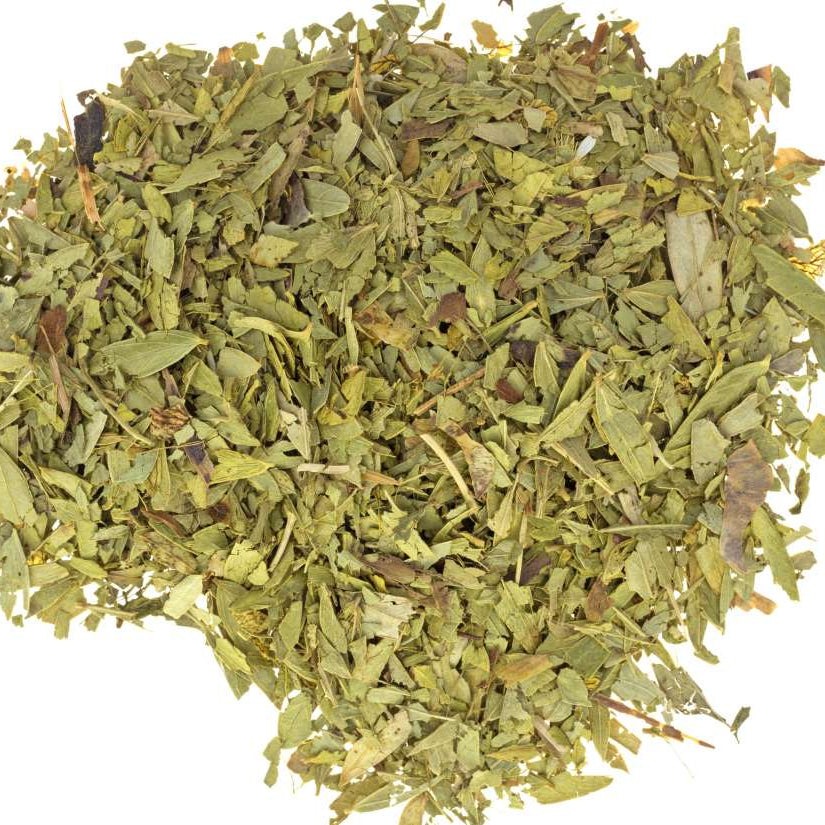
Senna
Cassia angustifolia
Senna is the dried leaflet and pod of Cassia angustifolia, India's largest herbal export, supplied in bulk to pharma, tea and extract manufacturers.
- Botanical nameCassia angustifolia
- Part usedLeaves (leaflets), pods
- FamilyFabaceae
- Also known asSonamukhi, Sanay, Swarnapatri, Nilavirai, Senna Makki
- Certificate of Analysis
- Samples available
- Export documents handled
Senna is the dried leaflet and pod of Cassia angustifolia Vahl, and it is one of India's highest-volume botanical exports. Buyers are pharmaceutical formulators, herbal tea packers and sennoside extract manufacturers.
Botanical identity
Cassia angustifolia Vahl belongs to the Fabaceae family. The accepted botanical name is now Senna alexandrina Mill., and both names appear on trade documents.
In commerce, material from India is called Tinnevelly senna. Material of North African origin is called Alexandrian senna and comes from a related population. Pharmacopoeial monographs cover both, but the leaf shape and sennoside profile differ, so state which one your specification requires.
Rajasthan and the Indian senna belt
Senna cultivation has moved west over recent decades. Rajasthan and Gujarat now produce the bulk of Indian senna, with Tamil Nadu still active around the original Tirunelveli region.
Inside Rajasthan, the crop is concentrated in the arid districts of Jodhpur, Pali, Barmer, Jalore and Nagaur. Sojat and Jodhpur function as the main assembly and processing hubs for the trade.
AV Biotech operates from Jaipur, inside this producing state. That places us on the same side of the supply chain as the growers and the grading yards, rather than buying finished lots from a distant market.
Harvest and processing
Senna is a dryland crop that tolerates poor soils and low rainfall. Leaves are stripped in two or three picking rounds as the crop matures, and pods are collected after the leaf harvest.
Material is sun-dried in the field, then threshed, sieved and graded by leaf size and colour. Grading is done largely by hand and by mechanical sieving at the processing yard.
Sennosides degrade with heat and prolonged storage. Careful drying and correct moisture control at packing therefore have a direct effect on the assay a buyer receives at destination.
Why buyers source it
The commercial value sits in the sennosides, principally sennoside A and sennoside B. These are dianthrone glycosides and are the compounds every specification is written around.
Leaf lots commonly assay in the region of 2.5% to 3.5% total sennosides. Pods generally run higher and more uniform, which is why standardised extract manufacturers usually prefer pods.
Pharmacopoeial monographs require not less than 2.5% hydroxyanthracene glycosides calculated as sennoside B for senna leaf, so lot selection against that figure matters commercially.
Forms that trade
We supply whole leaf, graded bold and extra bold leaf, broken leaf, cut and sifted, tea-bag cut, powder, and whole or cut pods. Stems and sifting fractions also trade separately at lower value.
Industry applications of Senna
Senna serves several distinct buyer groups, and each buys a different cut. Naming your end use lets us match the grade instead of shipping a generic lot.
Pharmaceutical manufacturing
Pharma is the largest and most specification-driven segment. Manufacturers formulate senna into tablets, syrups, granules and powders positioned for occasional bowel regularity, under the applicable rules of each market.
These buyers usually want the higher leaf grades with the strongest sennoside figures. Grade No. 3 leaf has traditionally been directed to the pharmaceutical trade for exactly this reason.
Extract and sennoside manufacture
Extract houses convert senna into standardised leaf and pod extracts, and into isolated sennoside concentrates such as calcium sennosides. Assay drives the entire purchase decision here.
Pods are the usual feedstock because their sennoside content is higher and less variable than leaf. Extractors will often buy whole pods rather than cut material to reduce the risk of substitution.
Herbal tea and wellness beverage
Tea packers use tea-bag cut leaf in detox, slimming and bedtime infusion blends. This is a very large export segment for Indian senna.
Tea-bag cut is a fine, sifted cut sized to flow through tea-bagging machinery and brew evenly. Cut and sifted is coarser and goes into loose teas, further milling and extraction. Grade No. 5 leaf typically serves this herbal and tea-cut market.
Ayurvedic and Unani manufacturing
Senna is known as Swarnapatri in Ayurveda and Sana Makki in Unani practice. Manufacturers use powder in churna and safoof preparations, and coarse cut in kwath bases.
Cosmetic and hair care
A related use is neutral henna blending, where senna powder is added to henna and indigo systems as a conditioning, low-stain component. Cosmetic buyers here focus on fine mesh, clean colour and low grit rather than sennoside assay.
Common product formats
- Laxative tablets, syrups and effervescent granules
- Standardised senna leaf and pod extracts; calcium sennoside concentrates
- Tea bags, pyramid bags and loose herbal infusion blends
- Churna and safoof powders in Ayurvedic and Unani lines
- Neutral henna and hair-conditioning powder blends
- Capsules and sachets in supplement ranges
Traditional uses and current understanding
Senna has an unusually well-documented history for a botanical. It appears in Ayurvedic, Unani and Western herbal practice, and it holds monographs in several major pharmacopoeias.
Traditional positioning
Traditionally used in Ayurveda as Swarnapatri and in Unani practice as Sana Makki, in preparations intended to support bowel movement. Classical use was short-term and course-based rather than continuous.
Traditional formulations frequently pair senna with carminative herbs such as fennel, ginger or ajwain. That pairing was intended to moderate the griping effect, and modern blends often follow the same logic.
What the constituents do
The sennosides are the constituents behind senna's activity. Studies describe them as passing largely unchanged to the colon, where gut microflora convert them into active forms.
Because activity depends on this microbial conversion, response varies between individuals. This is one reason finished-product dosing is a formulation question rather than a raw-material question.
Pharmacopoeial monographs classify senna leaf and pod as stimulant laxative herbal substances and set a minimum hydroxyanthracene glycoside content on that basis.
How brands position finished products
Commonly formulated into products targeting occasional constipation, digestive comfort and short-term cleanse routines. Wording must follow the destination market's rules.
Several regulators restrict long-term or unsupervised use of stimulant laxative botanicals, and some have set specific limits on hydroxyanthracene derivatives in food supplements. Check the current position in each market you sell into before finalising label copy.
Points buyers should note
Senna is intended for short-term use in finished products, and traditional practice followed the same pattern. Formulators generally review suitability for pregnancy, for children and for people with existing bowel conditions before launching a consumer product.
Dose, duration statements and warning text are the manufacturer's responsibility and are usually the most scrutinised part of a senna product file.
This information is provided for educational and B2B product-sourcing purposes only. It is not medical advice and these statements have not been evaluated by any regulatory authority. Finished-product claims are the responsibility of the manufacturer.
| Botanical name | Cassia angustifolia Vahl (syn. Senna alexandrina Mill.) |
|---|---|
| Family | Fabaceae |
| Part used | Dried leaflets; dried pods (fruits) |
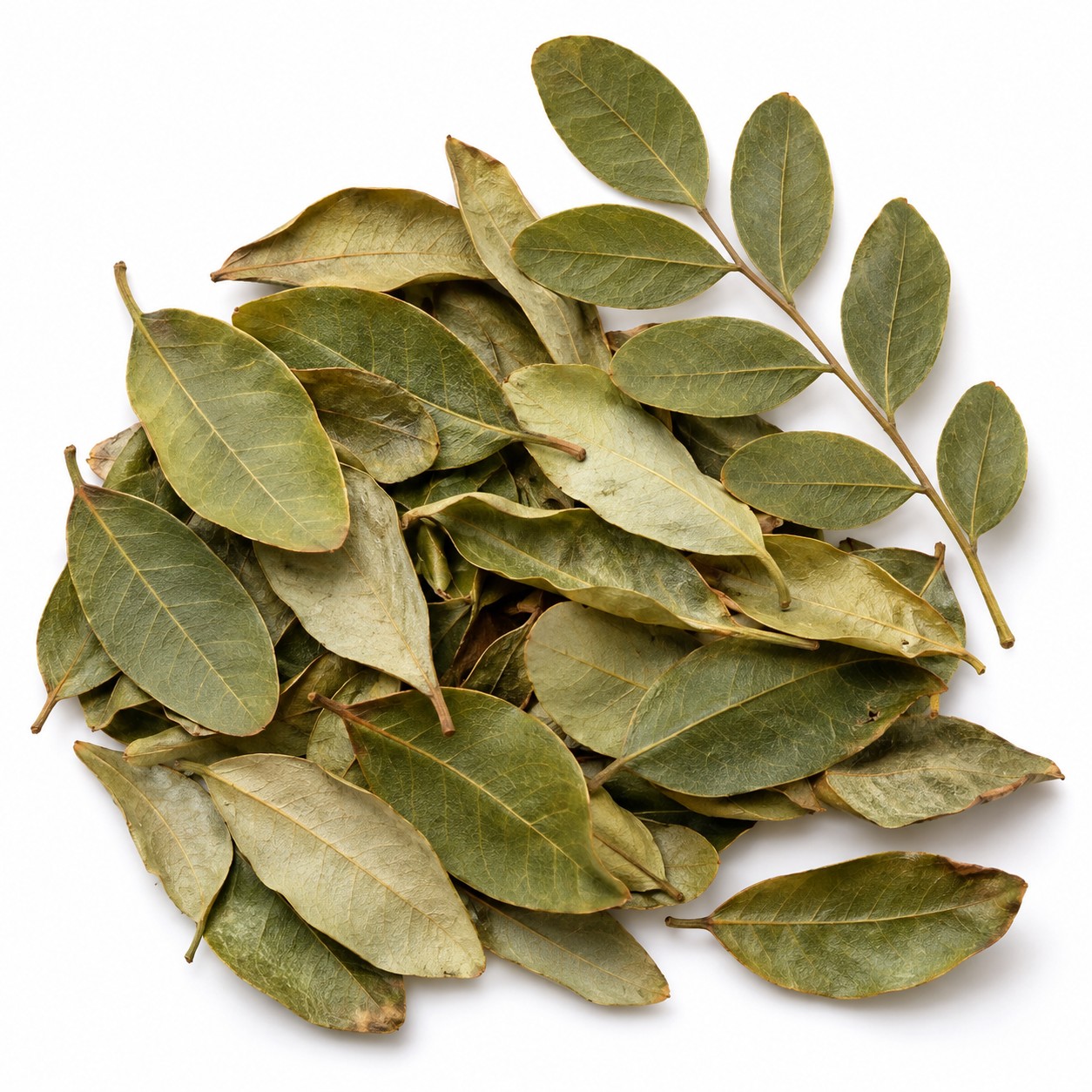
| Appearance | Leaf: yellowish-green to grey-green, lanceolate leaflets. Pod: flat, greenish-brown, kidney-shaped |
| Active constituents | Sennoside A and B (principal), sennoside C and D, aloe-emodin and rhein glycosides |
| Total sennosides - leaf | Typically 2.5% to 3.5% (HPLC); pharmacopoeial minimum 2.5% as sennoside B |
| Total sennosides - pods | Typically 3.0% and above, generally higher and more uniform than leaf |
| Moisture | Not more than 10% (typical) |
| Total ash | Not more than 12% (typical) |
| Acid-insoluble ash | Not more than 2.5% (typical); higher figures usually indicate sand or field soil |
| Foreign organic matter | Not more than 2% (typical); stem content specified separately by grade |
| Particle size | Whole leaf; broken leaf; cut and sifted 2 to 6 mm; tea-bag cut 0.4 to 2 mm; powder 60 to 100 mesh |
| Pesticide residues | Tested against buyer-nominated panel; EU or USP limits available on request |
| Heavy metals | Lead, cadmium, mercury and arsenic tested to agreed limits |
| Microbiology | Total plate count, yeast and mould, E. coli, Salmonella to agreed limits |
| Packing | 25 kg PP or HDPE laminated bags with food-grade liner; 40 to 50 kg compressed bales for whole leaf; fibre drums for powder |
| Shelf life | 24 months whole leaf and pods; 12 to 18 months for powder and fine cuts |
Values are typical and indicative. A lot-specific Certificate of Analysis is shared before dispatch.
What is your minimum order quantity for senna leaves and pods?
MOQ is 100 kg for powder, tea-bag cut and cut and sifted grades, and 500 kg for whole leaf, bales and pods. Samples of 250 g to 1 kg are supplied so your lab can verify sennoside assay before you order. Full-container and part-container consolidation are both possible from Rajasthan.
Do you supply senna to a guaranteed sennoside percentage?
We select and blend lots to meet an agreed sennoside range and share the pre-shipment HPLC result before dispatch. Leaf typically runs 2.5% to 3.5% total sennosides and pods usually run higher and more consistently. If your specification is written to a pharmacopoeial minimum as sennoside B, please state which pharmacopoeia applies.
What is the difference between tea-bag cut and cut and sifted senna?
Tea-bag cut is a fine, dust-free sifted cut sized to run through tea-bagging machinery and brew evenly, usually around 0.4 to 2 mm. Cut and sifted is a coarser cut used for loose teas, further milling and extraction. Tea packers should specify TBC, while extractors normally take C&S or whole material.
Which quality problems should I check for in a senna lot?
Check three things. High stem content dilutes sennosides while the lot still looks acceptable, so specify a stem limit by grade. High acid-insoluble ash usually means field sand, which is common in a dryland crop. Finally, check moisture, because material above roughly 10% risks mould and accelerated sennoside loss in transit.
What documentation do you provide, and can you supply certified organic senna?
Each shipment carries a lot-specific Certificate of Analysis, packing list, invoice, certificate of origin and phytosanitary certificate. Non-GMO, non-irradiation, allergen and MSDS declarations are issued on request. Certified organic senna under NPOP, NOP or EU standards is available where the lot originates from certified farms, with a transaction certificate.
Enquire about Senna
No payment is taken here — this reaches our sourcing team directly.
Related products