Apamarg
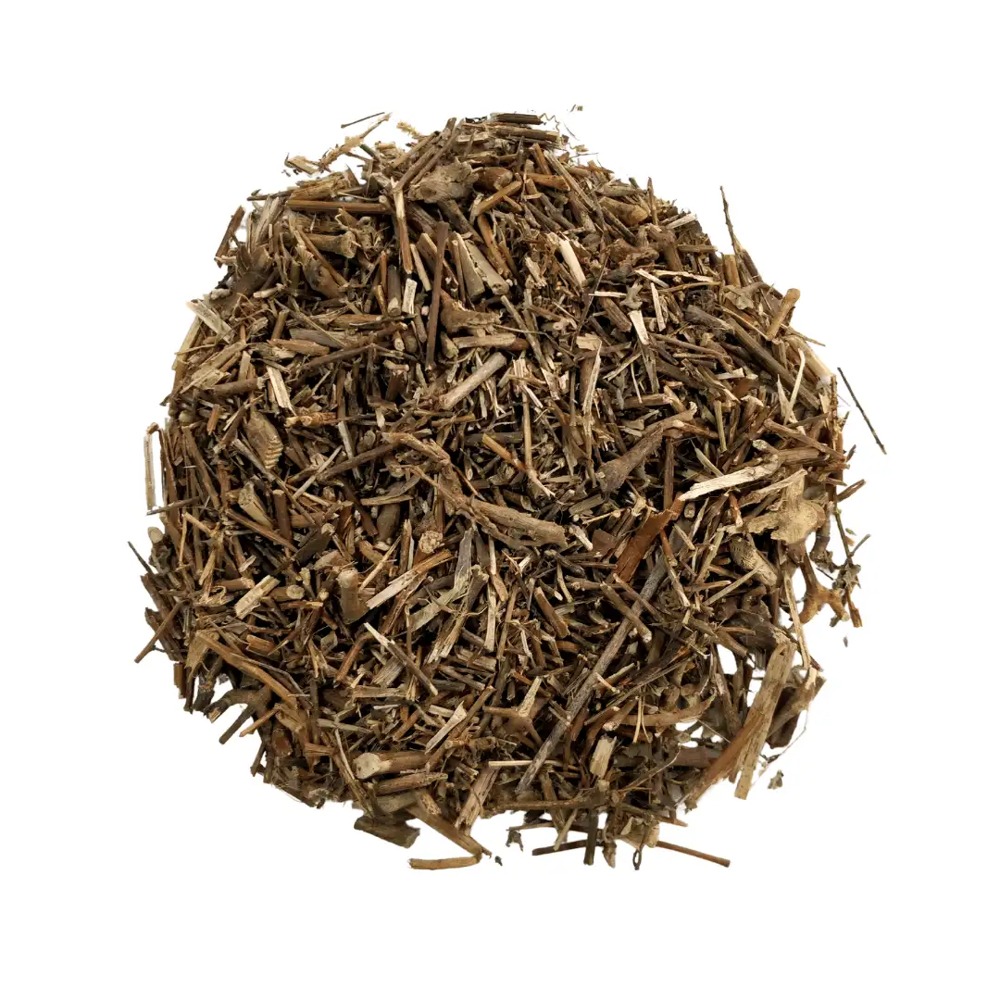
Apamarg
Achyranthes aspera L.
Bulk Apamarg (Achyranthes aspera) whole plant, root and seed for classical Ayurvedic pharma, Kshara Sutra manufacturing and research buyers.
- Botanical nameAchyranthes aspera L.
- Part usedWhole plant (Panchang), root, seed
- FamilyAmaranthaceae
- Also known asChirchita, Latjeera, Apang, Uttareni, Kharmanjari
- Certificate of Analysis
- Samples available
- Export documents handled
Apamarg is the dried whole plant, root or seed of Achyranthes aspera, one of the most frequently cited single drugs in classical Ayurvedic surgical texts. It is best known in trade as the source plant for Apamarga Kshara, the alkaline preparation used in Kshara Sutra manufacture.
Botanical identity and part used
Achyranthes aspera belongs to the Amaranthaceae family. It is an erect, branched, somewhat woody annual or short-lived perennial herb with characteristic spiky, reflexed flower spikes that give it the English name devil's horsewhip.
The Ayurvedic Pharmacopoeia of India has published quality standards for the root and for Panchang, the whole aerial plant. Seed and leaf are traded separately and, while widely used commercially, do not yet carry a dedicated pharmacopoeial standard of their own.
Where it grows in India
Achyranthes aspera is a common weed of dry, open ground, roadsides, waste land and field margins across the Indian plains and lower hills, up to about 2,000 to 3,000 metres. It occurs throughout India rather than in one defined growing belt.
Most commercial supply is wild-collected rather than field-cultivated. Material gathered from arid tracts of Rajasthan and parts of Maharashtra is generally preferred in trade for its concentration of bitter principles.
Harvest and processing
Whole-plant material is typically collected in late winter, once the plant has matured but before the flowering spikes harden fully. Root is dug and separated where root-only material is required.
After collection, material is cleaned of soil and extraneous plant matter, then sun or shade dried and graded by part before packing.
Why buyers source it
The single largest specialised demand is from Kshara Sutra manufacturing units. Apamarga Kshara, an alkaline ash preparation made by burning the dried whole plant and processing the residue, is used to coat the medicated thread applied in the Ayurvedic para-surgical treatment of fistula-in-ano.
Published pharmacognostic work has also found the triterpenoid saponin oleanolic acid concentrated mainly in the root, with much lower levels in seed and whole plant and none detected in stem or leaf, which is one reason root-only material commands a premium over mixed panchang.
Forms that trade
AV Biotech supplies Apamarg as whole dried plant (panchang), root, and seed, cleaned and graded to buyer specification. Material for Kshara preparation is supplied as whole dried plant suitable for controlled burning.
Industry applications of Apamarg
Apamarg moves mainly into classical Ayurvedic and para-surgical manufacturing, with smaller volumes into research and animal feed use.
Ayurvedic pharmaceutical and para-surgical manufacturing
Kshara Sutra manufacturing units are the most specialised buyers, using whole dried plant to prepare Apamarga Kshara, the alkaline coating applied to the medicated thread used in fistula-in-ano treatment. This is a well-established Ayurvedic para-surgical product with documented clinical use in India.
Classical churna, kwatha and taila formulations described in texts such as Charaka Samhita, Sushruta Samhita and Bhavaprakasha also use root, seed and whole-plant Apamarg, and manufacturers working to these texts specify the correct plant part for each formulation.
Nutraceutical and research use
Seed extract has drawn research interest for weight-management and metabolic studies, and root extract for its oleanolic acid and saponin content. Brands exploring these areas typically buy small documented lots for extraction trials before scaling.
Animal feed and agricultural use
Seed and leaf material has been evaluated as a protein and lipid source in fish and livestock feed formulation, reflecting the plant's traditional use as a famine food in dry parts of India. Whole-plant ash, rich in potash, has a long traditional use as a natural cleansing agent.
Export and traditional medicine trade
Smaller volumes move to traditional medicine manufacturers outside India who use Achyranthes aspera in comparable folk and herbal preparations across South and Southeast Asia.
Sourcing note for Kshara Sutra buyers
Kshara quality depends on using clean, correctly dried whole plant rather than mixed field debris, since soil and moisture content affect the ash yield and alkalinity of the finished Kshara. Buyers scaling up Kshara Sutra production should agree a fixed moisture and cleanliness specification with their supplier before contracting volume.
Common product formats
- Whole dried plant (panchang) for Kshara and classical decoction use
- Cleaned, cut root for churna and taila formulations
- Cleaned seed for research extraction and feed trials
- Apamarga Kshara feedstock for Kshara Sutra manufacturing
Traditional use and current research
Apamarg is described across major classical Ayurvedic texts, including Charaka Samhita, Sushruta Samhita and Bhavaprakasha, with different parts assigned to different traditional indications. The notes below describe classical positioning and early research findings, not established medical outcomes.
Para-surgical use in fistula-in-ano management
Apamarga Kshara is the best-documented application of this plant, used for decades in Kshara Sutra therapy for fistula-in-ano under Ayurvedic surgical practice. This is a specific, well-established para-surgical use of the processed ash, not a claim for the raw herb.
Traditional wound and skin-related use
Classical texts describe Apamarg in the context of wound healing, piles and skin conditions. These are traditional-text references, and any modern wound-care or skin formulation built on them needs its own safety and efficacy substantiation.
Research interest in saponins and ecdysteroids
Phytochemical studies have identified oleanolic acid-based saponins, concentrated mainly in the root, along with phytoecdysteroids such as 20-hydroxyecdysone in the seed. These compounds are being studied for anti-inflammatory and antioxidant activity, and for metabolic effects, in early-stage research rather than confirmed clinical outcomes.
Traditional digestive and diuretic use
Classical Ayurvedic sources describe Apamarga Kshara as having traditional diuretic and cleansing properties, consistent with its potassium-rich ash content. This is a traditional-use description, not a therapeutic claim for any packaged consumer product.
Traditional use in fever and worm infestation
Bhavaprakasha and related nighantu texts list Apamarg among herbs traditionally used for Krimi, worm infestation, and for fever-related conditions. These are classical dietetic and materia medica references rather than confirmed treatment outcomes.
What buyers should note on claims
Because oleanolic acid content varies sharply between plant parts, root, seed and whole-plant material are not interchangeable in a specification built around this constituent. Any finished-product claim should be matched to the specific plant part and extract used.
This information is provided for educational and B2B product-sourcing purposes only. It is not medical advice and these statements have not been evaluated by any regulatory authority. Finished-product claims are the responsibility of the manufacturer.
| Botanical name | Achyranthes aspera L., Fam. Amaranthaceae |
|---|---|
| Part used | Whole plant (Panchang), root, or seed, supplied and priced separately by part |
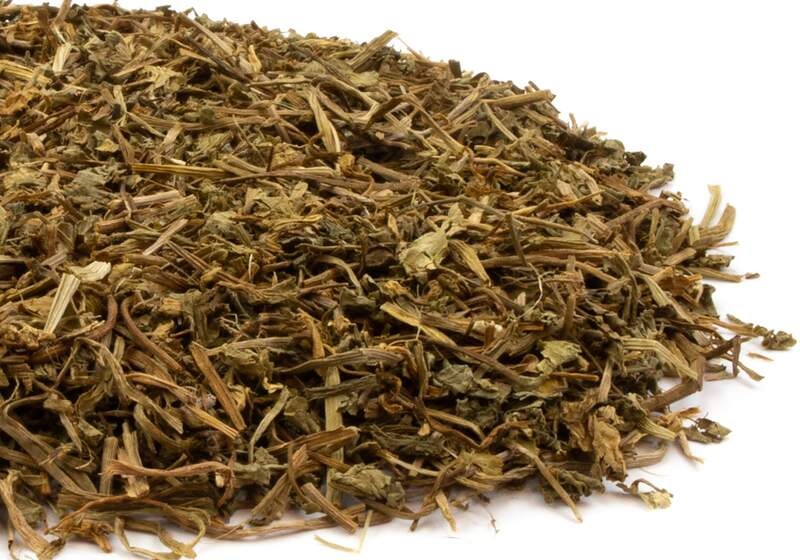
| Appearance | Root: yellowish brown, cylindrical, tapering. Whole plant: dried stem with ridged surface and characteristic reflexed spike. Seed: small, brown, sub-cylindrical |
| Odour and taste | Faint characteristic odour; taste bitter and slightly astringent |
| Active constituents | Oleanolic acid-based triterpenoid saponins (reported highest in root, around 0.05 per cent by HPLC in published pharmacognostic studies, much lower in seed, negligible in stem and leaf), phytoecdysteroids (20-hydroxyecdysone and related compounds, mainly in seed), achyranthine alkaloid, betaine |
| Moisture | Not more than 10 per cent (typical trade limit) |
| Total ash | Not more than 15 per cent for whole plant, not more than 10 per cent for root (typical trade limit; root and panchang have separate API-listed standards, confirmed on request) |
| Acid-insoluble ash | Not more than 2 per cent (typical trade limit) |
| Foreign matter | Not more than 2 per cent; free from soil, non-Apamarg weed matter and other plant parts not ordered |
| Particle size | Whole plant and root supplied cut, 2 to 6 cm; powder 40 to 60 mesh on request; seed supplied whole and cleaned |
| Kshara-grade material | Whole dried plant, free from soil and moisture, suitable for controlled burning to ash for Apamarga Kshara preparation |
| Heavy metals | Tested against AYUSH limits on request |
| Pesticide residues | Tested against EU MRL on request; wild-collected lots screened on a multi-residue panel |
| Microbiology | Total plate count, yeast and mould, E. coli and Salmonella tested per lot; certificate supplied |
| Packing | 25 kg and 50 kg HDPE/PP laminated bags with food-grade LDPE inner liner; jute or PP sacks for bulk whole-plant Kshara feedstock |
| Shelf life | 18 months for whole plant and root, 12 months for seed, in sealed original packing, stored dry |
| Note | All values are typical or indicative. Actual lot values vary with plant part, origin and collection season, and are confirmed on the batch Certificate of Analysis |
Values are typical and indicative. A lot-specific Certificate of Analysis is shared before dispatch.
What is your minimum order quantity for Apamarg?
100 kg for root or seed powder and 250 kg for whole dried plant. For trial and formulation work we supply 1 to 2 kg paid samples, adjusted against your first commercial order.
Can you supply whole-plant material specifically for Kshara preparation?
Yes. We supply clean, well-dried whole plant suitable for controlled burning to ash for Apamarga Kshara. We can discuss moisture and cleanliness requirements specific to your Kshara Sutra process.
Do root, seed and whole-plant material carry different specifications?
Yes. They are graded and priced separately, since oleanolic acid and ecdysteroid content differ significantly between plant parts. Specify the part and intended use so we can match the correct grade.
What documentation comes with an export shipment?
Every lot ships with a batch Certificate of Analysis covering moisture, ash values, foreign matter, pesticide residues and microbiology. Export consignments also carry a phytosanitary certificate, Certificate of Origin, packing list and commercial invoice.
What is the typical lead time?
10 to 15 working days for stock grades from Jaipur. Larger whole-plant Kshara-feedstock volumes and seed-specific orders may take 3 to 4 weeks depending on the collection season.
Enquire about Apamarg
No payment is taken here — this reaches our sourcing team directly.
Related products