Bael (Bilva)
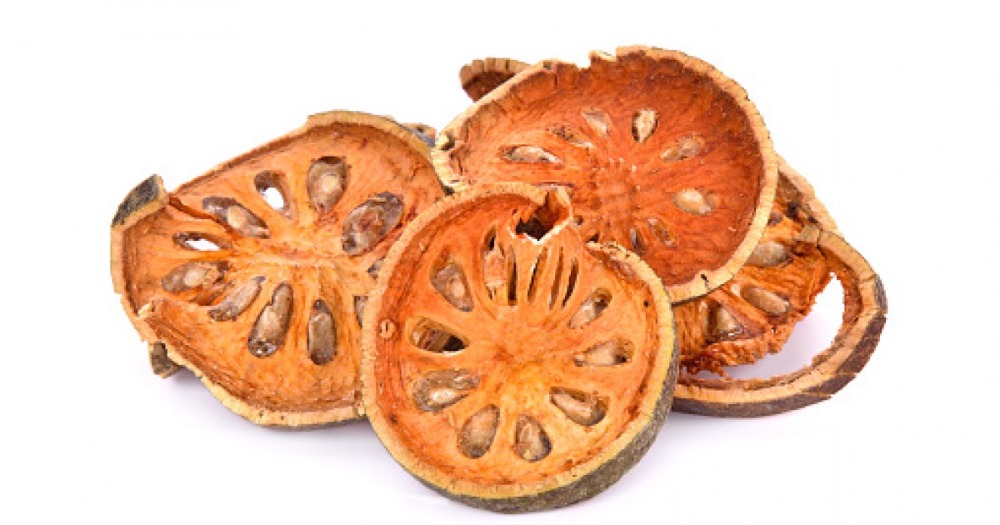
Bael (Bilva)
Aegle marmelos (L.) Corrêa
Bulk Bael (Aegle marmelos) fruit pulp, leaf and root bark from India for Ayurvedic, functional-food and pectin-industry buyers. Grade-specific, quote on enquiry.
- Botanical nameAegle marmelos (L.) Corrêa
- Part usedFruit pulp (unripe dried and ripe grades), leaf, root bark and stem bark
- FamilyRutaceae
- Also known asBilva, Sriphal, Bel, Bilwa, Maredu
- Certificate of Analysis
- Samples available
- Export documents handled
Bael, known in Ayurveda as Bilva, is the fruit of Aegle marmelos, a Rutaceae tree valued in the herbal trade for its dried fruit pulp, leaf and root bark. Buyers source it for digestive-support formulations, functional beverages and, increasingly, as a natural pectin source.
Botanical identity and part used
Aegle marmelos belongs to the Rutaceae family, the citrus family, and is a medium-sized tree with trifoliate leaves and a hard, woody-shelled fruit that ripens from green to yellow. Unripe, dried fruit pulp is the grade Ayurvedic pharmacology recognises as the primary medicinal drug, while ripe fruit pulp supplies the food and beverage trade.
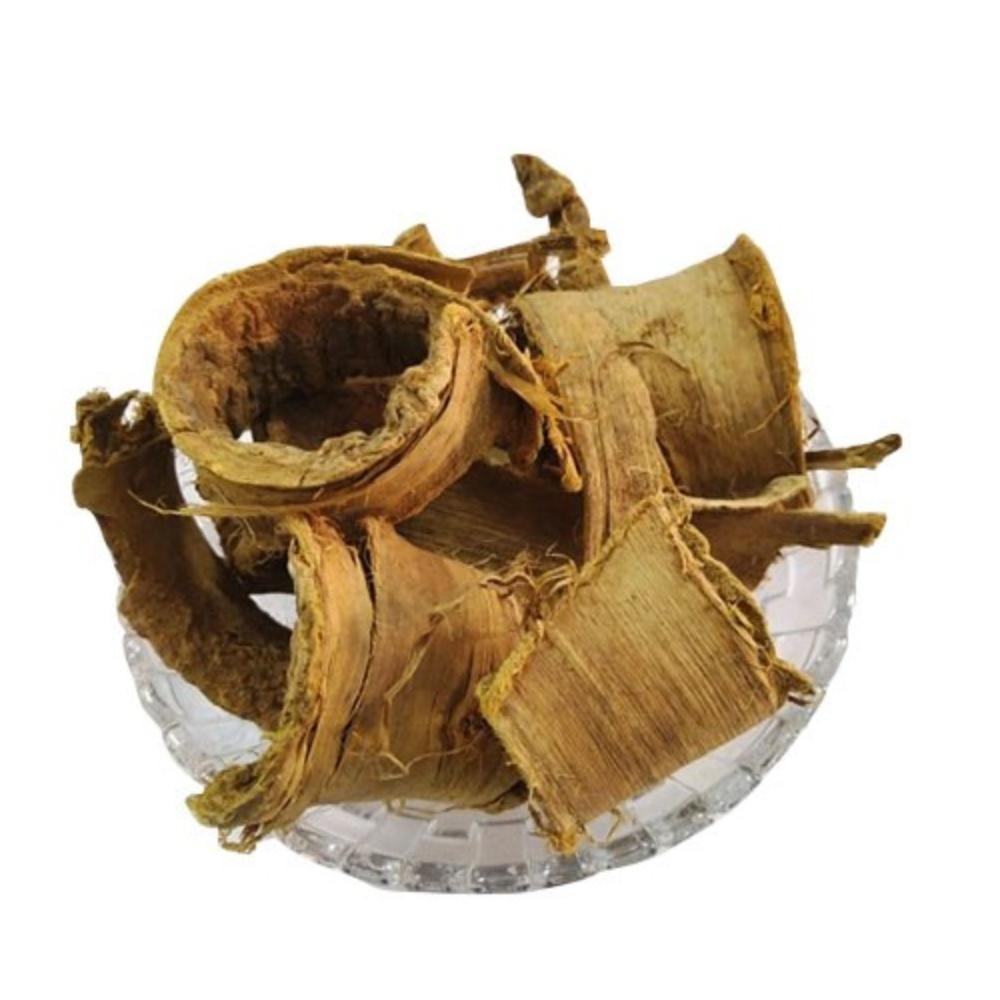
Root bark, traded separately as Bilva moola, is one of the constituents of Dashmoola, the classical ten-root Ayurvedic formulation group. Leaf is traded as a distinct commodity and is not interchangeable with fruit pulp in a specification.
Buyers should also note that Bael is sometimes confused in export listings with wood apple, Limonia acidissima, an unrelated species with a similar common name. Confirming the Latin binomial on the purchase order avoids this mix-up.
Where it grows in India
Bael grows across the sub-Himalayan tracts and much of peninsular India, with organised cultivation and pulp processing concentrated in Uttar Pradesh, Chhattisgarh, Madhya Pradesh, Bihar and West Bengal. It is also widely planted around temples for religious use, which keeps scattered supply available even outside commercial orchards.
Harvest and processing
Fruit is harvested mainly in March and April, once it reaches full maturity and the pulp inside the hard shell has developed its characteristic aromatic, mucilaginous texture. Fresh pulp carries very high moisture, so prompt sun or mechanical drying to a stable moisture level is essential to prevent spoilage before milling.
Dried pulp is milled into powder, while leaves are collected separately through the growing season and shade dried. Root bark is harvested from mature trees and cut into pieces for the classical Dashmoola trade.
Why buyers source it
The commercial value sits in a group of coumarins, chiefly marmelosin, alongside pectin, tannins, flavonoids and the alkaloid aegeline. Unripe fruit pulp is also a recognised source of pectin, and pectin content is known to vary through the fruit's growth and ripening stages, which is why harvest timing affects yield for pectin-focused buyers.
Forms that trade
AV Biotech supplies Bael as dried unripe fruit pulp (whole and powdered), ripe fruit pulp powder for food use, leaf powder, and cut root bark for classical formulations. Each grade is packed and quoted separately.
Industry applications of Bael
Bael moves into Ayurvedic manufacturing, functional food and beverage production, and specialty pectin extraction, and each buyer group asks for a different plant part or maturity grade.
Ayurvedic and pharmaceutical manufacturing
Classical Ayurvedic units buy dried unripe fruit pulp for churna, avaleha and kwatha preparations aimed at traditional digestive-support use, and root bark for Dashmoola-based decoctions. These buyers want unripe, pharmacopoeial-grade pulp rather than the sweeter ripe-fruit grade sold into food channels.
Nutraceutical and supplement brands
Supplement manufacturers buy fine pulp powder for capsules and digestive-wellness blends, generally specifying a marmelosin or total-coumarin reference on the Certificate of Analysis rather than a single fixed assay standard.
Food, beverage and functional nutrition
Ripe fruit pulp is the base for bael sherbet, ready-to-drink juice, jam, candy (bael murabba) and dried fruit bars, all long-established categories in Indian food processing. Buyers here prioritise sensory quality, colour and sugar-acid balance over coumarin content.
Pectin and food-ingredient extraction
Bael fruit pulp is a recognised natural pectin source, and buyers extracting pectin for gelling and stabilising applications specify fruit harvested at a defined maturity stage, since pectin content changes measurably as the fruit ripens.
Cosmetic and personal care
Leaf and fruit pulp extracts appear in a smaller volume of skin and hair formulations positioned around their traditional astringent and antioxidant profile, though this is a minor segment compared to food and pharmaceutical demand.
Common product formats
- Bilva churna and Dashmoola-based classical decoctions
- Digestive-wellness capsules and tablets
- Bael sherbet concentrate, ready-to-drink juice and jam
- Bael candy and dried fruit bar formulations
- Natural pectin extraction feedstock
- Leaf powder for traditional and cosmetic use
Traditional use and current research
Ayurveda classifies unripe Bael fruit as Grahi, meaning gut-astringent and binding, and it is traditionally used to support healthy digestion, particularly following loose motions. Ripe fruit is viewed differently in classical texts, generally considered heavier and used in smaller quantity.
The following notes describe traditional positioning and published research directions, not established medical outcomes.
Digestive support
Unripe Bael fruit pulp is the most traditionally documented use of this herb, applied for occasional digestive upset. Some published studies have examined pulp extracts for effects on gut motility and microbial growth, though this research is at an early stage.
Metabolic and general wellness interest
Coumarin and flavonoid-rich extracts from Bael fruit have been studied for anti-inflammatory and antioxidant activity in laboratory settings, and reviews have discussed potential relevance to metabolic wellness. These are research directions, not confirmed outcomes in humans.
Traditional respiratory and general tonic use
Leaf and fruit preparations have a traditional history of use as a general tonic and in mild respiratory discomfort, generally as part of a compound formulation rather than as an isolated ingredient.
Root bark use in classical formulations
Bilva root bark's inclusion in Dashmoola reflects a traditional Vata-balancing and digestive-support role within compound decoctions, rather than a documented standalone clinical application.
What buyers should note on claims
Because marmelosin and pectin content both shift with fruit maturity, a health or functional claim built on published research should be matched to the ripeness stage and plant part actually used in that study, not assumed to apply across unripe and ripe grades interchangeably.
This information is provided for educational and B2B product-sourcing purposes only. It is not medical advice and these statements have not been evaluated by any regulatory authority. Finished-product claims are the responsibility of the manufacturer.
| Botanical name | Aegle marmelos (L.) Corrêa, Fam. Rutaceae |
|---|---|
| Part used | Fruit pulp (unripe dried, pharmacopoeial grade; ripe, food grade); leaf and root bark quoted separately |
| Appearance | Pulp: yellowish-brown to orange, fibrous, aromatic powder or dried slices. Leaf powder: green. Root bark: grey-brown cut pieces |
| Odour and taste | Characteristic aromatic odour; taste mucilaginous, mildly sweet to astringent depending on ripeness |
| Active constituents | Coumarins including marmelosin (commonly cited around 0.5 per cent in fruit pulp), psoralen, imperatorin, scopoletin and marmesin; also pectin, tannins, flavonoids and the alkaloid aegeline |
| Pectin content | Notable in unripe pulp; content varies with maturity stage, relevant to buyers sourcing for pectin extraction |
| Moisture | Not more than 10 per cent for dried pulp and leaf powder (typical trade limit); fresh pulp is dried promptly given its naturally high field moisture |
| Total ash | Not more than 8 per cent (typical trade limit) |
| Acid-insoluble ash | Not more than 2 per cent (typical trade limit) |
| Foreign matter | Not more than 2 per cent; pulp checked for seed and shell fragment contamination |
| Particle size | Whole dried slices and coarse powder standard; fine powder to 60 or 80 mesh on request |
| Pesticide/heavy-metal/microbial testing | Heavy metals per AYUSH limits; microbiological testing (total plate count, yeast and mould, E. coli, Salmonella) available on request, especially for food-grade pulp |
| Packing | 25 kg HDPE or PP laminated bags with food-grade LDPE inner liner; vacuum packing available for pulp powder on request |
| Shelf life | 18 to 24 months for pulp and leaf powder, 24 months for root bark, in sealed original packing |
| Note | All values are typical or indicative. Actual lot values vary with part, ripeness, origin and season, and are confirmed on the batch Certificate of Analysis |
Values are typical and indicative. A lot-specific Certificate of Analysis is shared before dispatch.
What is your minimum order quantity for Bael?
100 kg for fruit pulp or leaf powder and 500 kg for cut root bark. Paid samples of 1 to 2 kg are available for formulation trials and are adjusted against your first commercial order.
What is the difference between your unripe and ripe pulp grades, and which do I need?
Unripe dried pulp is the Ayurvedic pharmacopoeial grade used in digestive-support formulations. Ripe pulp is sweeter and used in juice, sherbet, jam and candy. Confirm your application and we will recommend the correct grade.
Is your Bael confirmed as Aegle marmelos and not wood apple?
Yes. Bael is sometimes confused in trade listings with wood apple, Limonia acidissima, an unrelated species. We supply Aegle marmelos only and confirm botanical identity on the Certificate of Analysis.
What documentation comes with an export shipment?
Every lot ships with a batch Certificate of Analysis covering moisture, ash values, heavy metals and microbiology where applicable. Export consignments also carry a phytosanitary certificate, Certificate of Origin, packing list and commercial invoice.
What is the typical lead time?
7 to 12 working days for stock grades from Jaipur. Fresh-season pulp tied to the March to April harvest and larger contracted volumes take 2 to 3 weeks, so it is best to book ahead of the harvest window.
Enquire about Bael (Bilva)
No payment is taken here — this reaches our sourcing team directly.
Related products