Bhoomi Amla
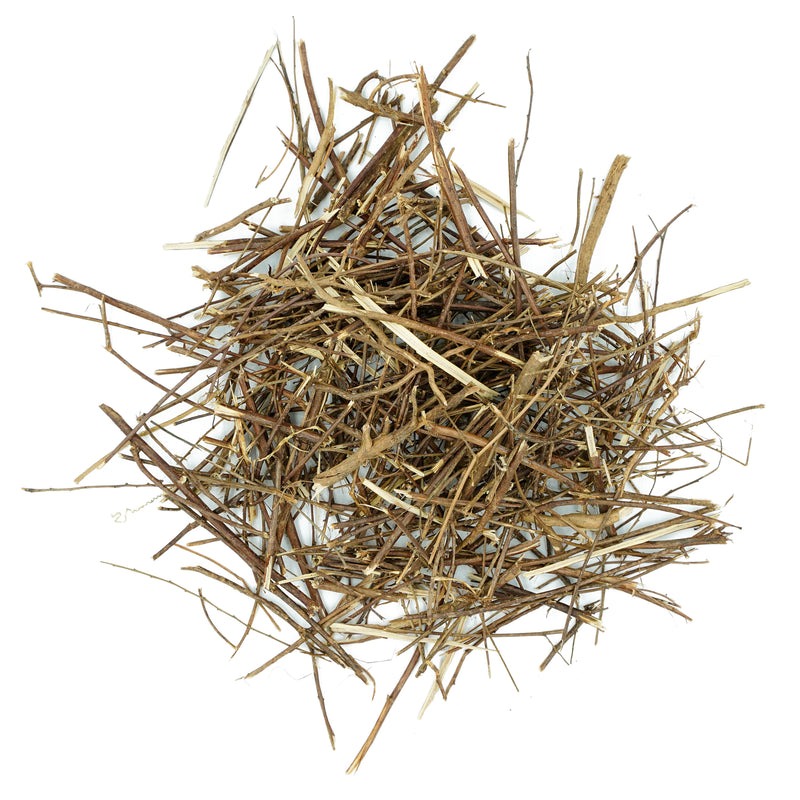
Bhoomi Amla
Phyllanthus amarus Schumach. & Thonn.
Bulk Bhoomi Amla (Phyllanthus amarus) whole herb, cut and powder for Ayurvedic and liver-support nutraceutical buyers, with species identity confirmed.
- Botanical namePhyllanthus amarus Schumach. & Thonn.
- Part usedWhole dried aerial plant (herb)
- FamilyPhyllanthaceae (formerly Euphorbiaceae)
- Also known asBhuiawala, Jangli Amli, Kizhkay Nelli, Nela Usiri, Keezhanelli, Tamalaki
- Certificate of Analysis
- Samples available
- Export documents handled
Bhoomi Amla is the dried whole plant of Phyllanthus amarus, sold in the Indian herbal trade under the common name Bhumyamalaki. Buyers are mainly Ayurvedic manufacturers, liver-support nutraceutical brands and extract houses.
Botanical identity and part used
Phyllanthus amarus belongs to the Phyllanthaceae family, once grouped under Euphorbiaceae. It is a small, erect annual herb, usually 10 to 60 cm tall, with tiny capsules borne along the underside of the leaflets.
Two different Phyllanthus species trade in India under the same common name, Bhumi Amla or Bhumyamalaki. This listing is Phyllanthus amarus, an all-green plant with leaves, stem and fruit of a uniform light green colour. A separate product in our range covers the second species; buyers unsure which one their specification means should read both pages before ordering.
Wild collection also brings in look-alike species from the same genus, chiefly P. fraternus, P. urinaria and P. maderaspatensis. These can be separated by leaf size, capsule surface texture and pigmentation, and by microscopy on stomata type, though field pickers do not always sort them out.
Where it grows and when it is harvested
Phyllanthus amarus grows across most of India as a rainy-season weed and is both wild-collected and, on a smaller scale, cultivated. Tamil Nadu, Andhra Pradesh, Karnataka, Kerala and Odisha are the main supply tracts.
The plant is pulled by hand once the rainy season ends, usually in September, when leaf number peaks and the plant is still green and herbaceous. Reported field yields run around 2 to 3 tonnes of dry herb per hectare.
Processing
Pulled plants are cleaned of soil and shade-dried rather than sun-dried, since direct sun bleaches the leaf and lowers measurable lignan content. Dried herb is then cut, sifted or milled to the buyer's specification.
Why buyers source it
The trade value sits in phyllanthin and hypophyllanthin, a pair of bitter lignans concentrated mainly in the leaf. Published phytochemical analyses report leaf phyllanthin around 0.7 per cent and hypophyllanthin around 0.3 per cent by weight, with whole-herb material assaying lower because stem tissue dilutes the figure.
Phyllanthus amarus also carries a long research history around liver-related studies dating back to the 1980s, which keeps both scientific and buyer interest in the species high alongside its classical Ayurvedic standing.
Forms that trade
AV Biotech supplies Bhoomi Amla as whole dried herb, cut and sifted material, and milled powder. Leaf-enriched lots are arranged for extract buyers needing a higher starting lignan content, and organic-certified stock is available against advance contract.
Industry applications of Bhoomi Amla
Bhoomi Amla moves mainly into Ayurvedic, nutraceutical and extract manufacturing, and each buyer type wants a different grade of material. Stating the intended end use at enquiry stage helps us quote the right grade the first time.
Ayurvedic and pharmaceutical manufacturing
Classical Ayurvedic units buy whole herb and coarse cut for Bhumyamalaki Churna, Bhumyamalaki Ghrita and decoction-based liver-support formulations. These buyers generally specify botanical identity testing alongside standard purity parameters, since the drug is often dispensed by common name rather than Latin binomial.
Nutraceutical and supplement brands
Supplement makers buy milled powder for capsules and tablets positioned around liver and urinary wellness, often referencing the plant's long-standing folk name of stonebreaker. Extract houses buy leaf-enriched cut material and standardise output against phyllanthin and hypophyllanthin by HPLC, usually quoting a combined lignan percentage on the specification sheet.
Herbal tea and functional beverage
Tea-bag cut Bhoomi Amla is blended into bitter detox-style infusions, usually alongside Kalmegh, Giloy or Neem. This segment needs a clean cut with minimal stem fibre and dust for smooth tea-bagging, and a consistent green colour that has not been bleached by open-sun drying.
Export markets
Demand also comes from Southeast Asian and Western nutraceutical brands building on the species' hepatoprotective research history. These buyers typically ask for a Certificate of Analysis that names the specific Phyllanthus species tested, not just a generic Bhumi Amla label, and some request a signed identity declaration for their own regulatory file.
Quality pitfalls buyers should check for
Wild-collected lots can carry a mix of look-alike Phyllanthus species picked alongside true P. amarus. This lowers and destabilises lignan content without changing the herb's appearance very much.
Excess stem content is the other common issue, since stem adds weight without contributing phyllanthin or hypophyllanthin. Buyers working to an assay specification should ask for leaf-ratio information, not appearance alone, and should request a current-season Certificate of Analysis rather than relying on a supplier's historical average.
Common product formats
- Bhumyamalaki Churna and classical Ayurvedic decoctions
- Liver-support and urinary-wellness capsules and tablets
- Standardised phyllanthin and hypophyllanthin extracts
- Bitter herbal tea blends
- Veterinary liver-support feed premixes
Traditional use and current research
Bhoomi Amla is classed in Ayurveda under Tikta rasa, the bitter taste group, and is referenced under the Sanskrit name Tamalaki. Classical texts position it mainly around liver function and Pitta-related conditions, usually alongside other bitter herbs in a compound formulation.
The notes below describe traditional positioning and published research directions, not established medical outcomes.
Liver-related traditional use and research
Phyllanthus amarus is one of the most researched Indian Phyllanthus species for liver-related studies, with published interest dating back to the 1980s. Studies suggest hepatoprotective activity in laboratory and early clinical settings, though results vary with extract type, dose and study design, and are not settled medical findings.
Kidney stone and urinary traditional use
The common name stonebreaker reflects traditional use as a mild diuretic and for urinary comfort. Some published studies have examined effects on calcium oxalate crystallisation and stone-forming risk factors, an early-stage research direction rather than a proven outcome for existing stones.
Digestive and general wellness use
Ayurvedic practice also positions Bhoomi Amla as a mild bitter tonic for digestive comfort and general wellness during seasonal change. It is frequently combined with other bitter herbs such as Kalmegh and Giloy in traditional formulations aimed at the same broad use.
Antiviral and antimicrobial research interest
Laboratory studies have looked at Phyllanthus amarus extracts against several viral and microbial targets, including early screening work relevant to viral hepatitis. This remains a research finding conducted mostly in laboratory and animal models, and is not a basis for a therapeutic claim on a finished consumer product.
What buyers should note on claims
Phyllanthin and hypophyllanthin levels vary by plant part, species and drying method, so a cited study should be matched to comparable material. A leaf-enriched extract is not comparable to a whole-herb powder tested at a lower assay, and claim substantiation should rest on the manufacturer's own material and its own regulatory review.
This information is provided for educational and B2B product-sourcing purposes only. It is not medical advice and these statements have not been evaluated by any regulatory authority. Finished-product claims are the responsibility of the manufacturer.
| Botanical name | Phyllanthus amarus Schumach. & Thonn., Fam. Phyllanthaceae |
|---|---|
| Part used | Whole dried aerial plant (herb); leaf-enriched grade on request |
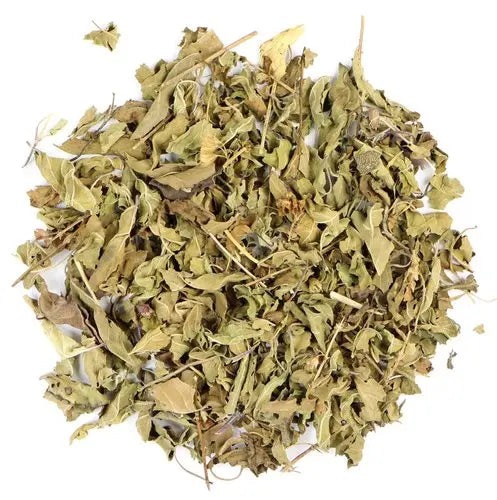
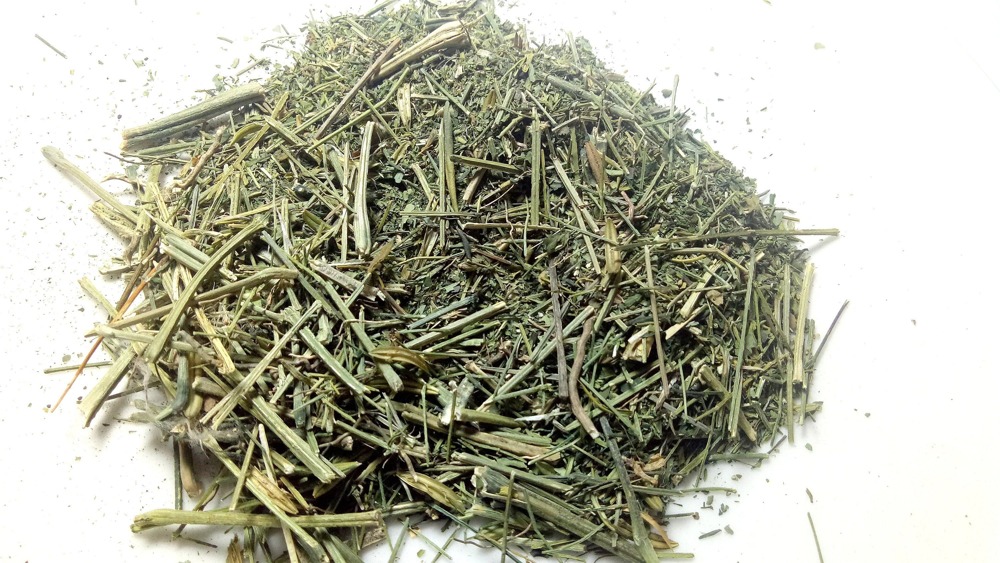
| Appearance | Small green herb pieces with tiny capsules along the leaflet underside; powder light to medium green |
| Active constituents | Phyllanthin and hypophyllanthin (bitter lignans). Published analyses report leaf content of approximately 0.7% phyllanthin and 0.3% hypophyllanthin by weight; whole-herb material typically assays lower |
| Moisture | Not more than 10% (typical trade limit) |
| Total ash | Not more than 12% (typical trade limit) |
| Acid-insoluble ash | Not more than 2% (typical trade limit) |
| Foreign matter | Not more than 2%, including admixed look-alike Phyllanthus species (typical trade limit) |
| Particle size | Whole herb; cut and sifted 2 to 10 mm; tea-bag cut 0.5 to 2 mm; powder 60 or 80 mesh |
| Pesticide/heavy-metal/microbial testing | Tested against buyer-nominated panel; EU or AYUSH limits on request; total plate count, yeast and mould, E. coli and Salmonella to agreed limits |
| Packing | 25 kg PP or HDPE laminated bags with food-grade LDPE inner liner; compressed bales for whole herb |
| Shelf life | 24 months for whole and cut herb; 18 months for powder, in sealed original packing |
Values are typical and indicative. A lot-specific Certificate of Analysis is shared before dispatch.
What is your minimum order quantity for Bhoomi Amla?
100 kg for cut material or milled powder, and 500 kg for whole dried herb. We also supply 100 to 500 g trial samples so your QC team can confirm species identity and assay before a commercial order.
Is this Bhoomi Amla the same species as Bhumi Amla (Phyllanthus niruri)?
No. This listing is Phyllanthus amarus, the species most commonly found in Indian wild-collected and cultivated Bhumi Amla material. If your specification names Phyllanthus niruri specifically, see our separate Bhumi Amla listing, since the two names are frequently confused in trade and are not always interchangeable.
How do you confirm species identity and screen out look-alikes?
Our sorting teams are trained to separate Phyllanthus amarus from co-growing look-alikes such as P. fraternus and P. urinaria at the point of procurement. HPTLC or macroscopic identity confirmation is available on request and can be added to the lot's Certificate of Analysis.
Can you supply a leaf-enriched or higher-assay grade?
Yes. We select leaf-rich lots for extract buyers who need a higher starting phyllanthin and hypophyllanthin content before extraction. Share your target assay range so we can quote against it, since whole-herb material naturally assays lower than a leaf-enriched grade.
What is the typical lead time and when is fresh crop available?
7 to 10 working days for stock grades from Jaipur. Fresh crop follows the post-monsoon harvest around September and October, so contracted volumes for the new season are best booked ahead of that window.
Enquire about Bhoomi Amla
No payment is taken here — this reaches our sourcing team directly.
Related products