Chirata (Kirat Tikta)
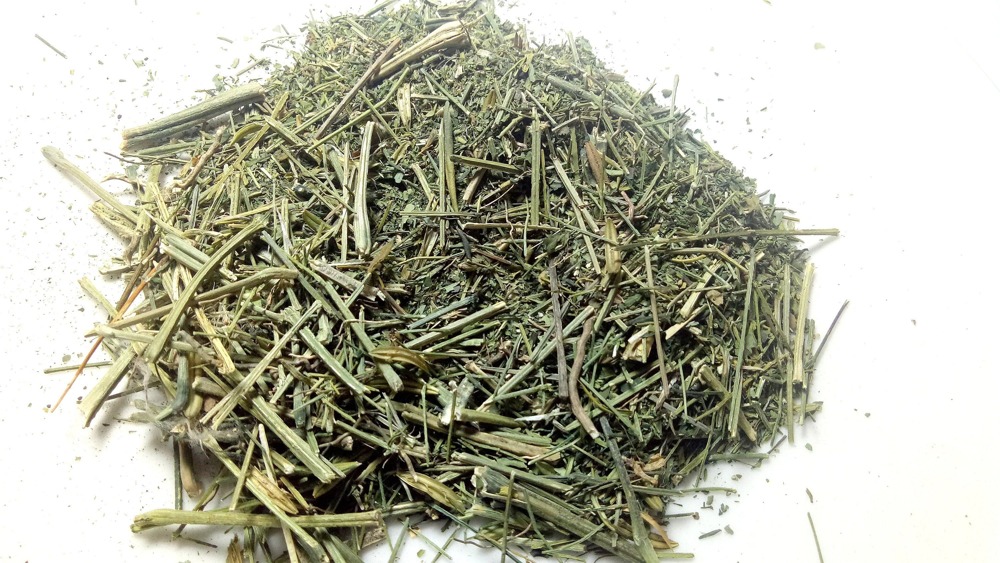
Chirata (Kirat Tikta)
Swertia chirata (Wall. ex G.Don) C.B.Clarke
Bulk Chirata (Swertia chirata) whole-plant material from the Himalayan belt, with species-verified sourcing for Ayurvedic and extract manufacturers.
- Botanical nameSwertia chirata (Wall. ex G.Don) C.B.Clarke
- Part usedWhole plant (aerial parts including root)
- FamilyGentianaceae
- Also known asKirat Tikta, Chirayita, Nepal Chiretta, Bhunimba
- Certificate of Analysis
- Samples available
- Export documents handled
Chirata is the dried whole plant of Swertia chirata, one of the most heavily traded bitter herbs in the Indian Ayurvedic industry and also one of the most frequently adulterated. Buyers source it for classical formulations and standardised bitter-principle extracts, and species verification is the single most important sourcing decision for this herb.
Botanical identity and part used
Chirata belongs to the Gentianaceae family and grows as an erect annual or biennial herb native to temperate and subtropical Himalayan slopes, at altitudes generally between 1,200 and 3,000 metres. The whole dried plant, stem, leaf, flower and root together, constitutes the commercial drug.
Adulteration and species substitution
Swertia chirata is frequently substituted with other Swertia species and, in southeastern India, with Andrographis paniculata, which is sold under overlapping vernacular names in different regional systems of medicine. Because assay alone cannot always distinguish genuine chirata from close botanical relatives, buyers should ask for species confirmation, not just a bitterness or extract-yield figure.
DNA barcoding and UPLC-based chemometric methods (using amarogentin as the reference marker) are documented techniques for authenticating genuine Swertia chirata against its common adulterants and substitutes. AV Biotech sources against documented botanical identity and offers HPTLC or barcoding verification on request for buyers who need it in their own specification file.
Where it grows and legal-origin status
Wild populations of Swertia chirata are under significant collection pressure across Sikkim, Darjeeling, Nepal-bordering Himalayan tracts and parts of Uttarakhand, and the species has been flagged as vulnerable to over-harvest in several regional assessments. Cultivated and ex-situ trial material from lower-altitude farms is increasingly available as an alternative to purely wild-collected stock.
Given the conservation pressure on wild stands, AV Biotech sources chirata against documented legal-origin paperwork, whether from regulated wild-collection programmes or cultivated plots, and this is confirmed on request for buyers with sustainability or CITES-adjacent due-diligence requirements.
Harvest and processing
Plants are typically collected at flowering or early senescence stage, since biomass yield does not differ meaningfully between these two harvest windows. Collected material is cleaned of soil, shade-dried to preserve the bitter secoiridoid content, and either baled whole or cut for further processing.
Forms that trade
AV Biotech supplies whole dried chirata plant and cut/sifted grade for decoction and extraction use. Extract feedstock lots are offered with species-verification documentation for buyers standardising to amarogentin or swertiamarin content.
Industry applications of Chirata
Chirata moves mainly into Ayurvedic pharmaceutical and standardised-extract manufacturing, both of which depend on verified species identity.
Ayurvedic and classical pharmaceutical manufacturing
Classical Ayurvedic units buy whole and cut chirata for kwatha (decoction), churna and arishta preparations, where it is used under its traditional name Kirat Tikta as a bitter tonic and febrifuge herb. These buyers should request documented species confirmation, since local vernacular naming conventions have historically allowed Andrographis paniculata to enter supply chains under the chirata name.
Nutraceutical and bitter-extract manufacturing
Extract houses process chirata into standardised extracts referencing swertiamarin and amarogentin content, the two secoiridoid glycosides responsible for the plant's intense bitterness. Buyers in this segment typically specify an HPLC or HPTLC assay range and request a species-authentication certificate alongside the assay report.
Digestive bitters and functional beverage use
Chirata extract and decoction concentrate are used in bitter digestive tonics and some functional beverage formulations, drawing on its long traditional positioning as a bitter digestive herb.
Veterinary and traditional-medicine export
Chirata is also exported to Nepal-linked and broader South Asian traditional-medicine supply chains, where demand for verified wild-collected or cultivated material continues to grow alongside conservation-driven sourcing requirements.
Common product formats
- Whole dried plant, baled
- Cut and sifted plant material for decoction
- Chirata churna (powder)
- Extract feedstock standardised to swertiamarin or amarogentin content
- Bitter digestive tonic and functional beverage concentrate bases
Traditional use and current research
Chirata, referenced in Ayurveda as Kirat Tikta, is classically categorised as a bitter tonic (tikta rasa) and is among the most well-documented bitter herbs in the Ayurvedic materia medica. The following notes describe traditional positioning and published research directions, not established medical outcomes.
Digestive bitter and appetite support
Traditional use positions chirata as a bitter digestive tonic, taken before meals in some regional practices to support appetite and digestive function. This use is closely tied to the plant's intensely bitter secoiridoid glycoside content.
Fever-related traditional use
Classical texts describe chirata as a febrifuge, and it has a long history of traditional use during convalescence from fever. This is a traditional-use reference, not a claim to treat or prevent any specific illness.
Liver-support traditional positioning
Chirata is commonly included in Ayurvedic liver-support and detoxification-positioned formulations, reflecting long-standing traditional use alongside other bitter hepato-supportive herbs.
Research interest in swertiamarin and amarogentin
Published research has focused on isolating and quantifying swertiamarin and amarogentin, the plant's principal bitter secoiridoids, and antibacterial activity has been studied in some Eastern Himalayan Swertia species. This remains an active research area rather than an established therapeutic finding.
What buyers should note on claims
Because chirata is frequently confused with other Swertia species and with Andrographis paniculata, any claim substantiation should be tied to a specific, species-verified extract batch, since bitter-principle content and any associated research findings do not transfer across substitute species.
This information is provided for educational and B2B product-sourcing purposes only. It is not medical advice and these statements have not been evaluated by any regulatory authority. Finished-product claims are the responsibility of the manufacturer.
| Botanical name | Swertia chirata (Wall. ex G.Don) C.B.Clarke, Fam. Gentianaceae |
|---|---|
| Part used | Whole dried plant (aerial parts and root) |
| Appearance | Slender cylindrical stems, yellowish-brown to purplish-brown, with characteristic four-angled cross-section; intensely bitter taste |
| Active constituents | Secoiridoid glycosides swertiamarin and amarogentin (bitter principles); also mangiferin, sweroside and gentianine. Assay by HPLC/HPTLC confirmed on the batch Certificate of Analysis |
| Species verification | HPTLC marker profiling and/or DNA barcoding available on request to confirm identity against Andrographis paniculata and other Swertia species adulterants |
| Legal origin | Sourced against documented wild-collection permits or cultivated-plot records; declaration supplied on request |
| Moisture | Not more than 10 per cent, typical trade limit |
| Total ash | Not more than 8 per cent, typical trade limit |
| Acid-insoluble ash | Not more than 2 per cent, typical trade limit |
| Foreign matter | Not more than 2 per cent, typical trade limit |
| Particle size | Whole and cut grade for decoction; powder milled to 60 or 80 mesh on request |
| Pesticide/heavy-metal/microbial testing | Screened against EU MRL and AYUSH heavy-metal limits; microbial testing (TPC, yeast and mould, E. coli, Salmonella) available per lot |
| Packing | 25 kg HDPE or PP laminated bags with food-grade LDPE inner liner |
| Shelf life | 24 months for whole and cut plant, 18 months for powder, in sealed original packing |
| Note | All values are typical or indicative. Actual lot values vary with origin, harvest stage and species-verification status, and are confirmed on the batch Certificate of Analysis |
Values are typical and indicative. A lot-specific Certificate of Analysis is shared before dispatch.
What is your minimum order quantity for Chirata?
100 kg for whole or cut dried plant material and 25 kg for churna or extract feedstock. Paid samples of 250 g to 500 g are available for trial and identity-verification testing, adjusted against your first commercial order.
How do you confirm you are supplying genuine Swertia chirata and not Andrographis or another Swertia species?
Our standard sourcing is against documented botanical identity from the collection point. On request we provide HPTLC marker profiling using amarogentin as the reference compound, and DNA barcoding for buyers who need molecular-level confirmation for their own specification file.
What documentation comes with an export shipment?
Every lot ships with a batch Certificate of Analysis covering moisture, ash and, where tested, swertiamarin/amarogentin assay. Export consignments also carry a legal-origin declaration, phytosanitary certificate, Certificate of Origin, packing list and commercial invoice.
Is your Chirata wild-collected or cultivated, and can you guarantee legal origin?
We source both regulated wild-collected material from Himalayan collection programmes and limited cultivated or ex-situ trial-farm material. Legal-origin documentation is supplied on request, which matters given the conservation pressure on wild Swertia chirata populations.
What is the typical lead time?
10 to 15 working days for stock grades from Jaipur. Species-verified and legal-origin-documented lots can take 3 to 4 weeks, since wild collection follows a seasonal window and volumes are naturally limited.
Enquire about Chirata (Kirat Tikta)
No payment is taken here — this reaches our sourcing team directly.
Related products