Castor (Arandi)
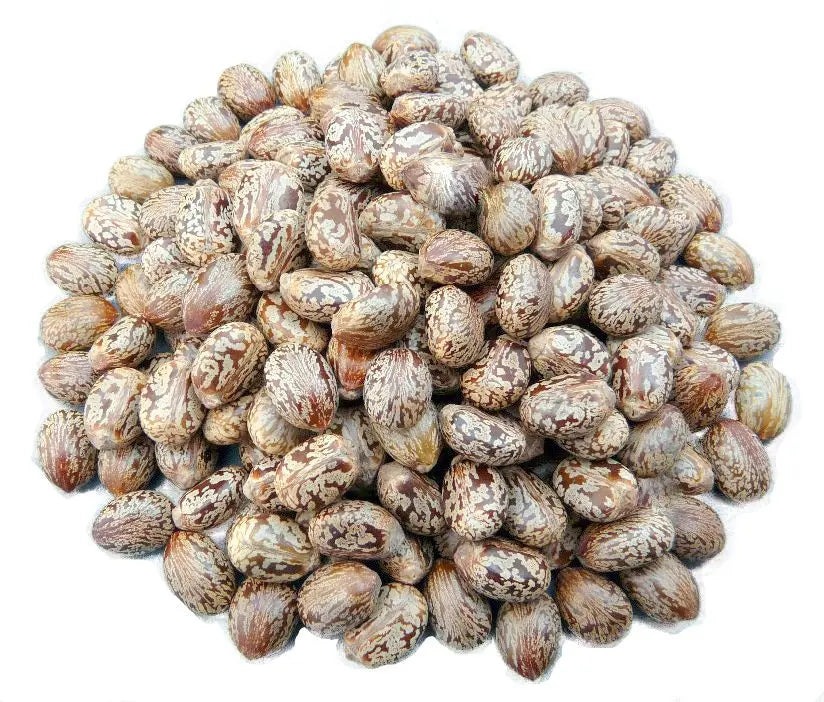
Castor (Arandi)
Ricinus communis L.
Bulk castor seed from Gujarat and Rajasthan for oil extraction and industrial feedstock. Ricin-related handling restrictions apply; specifications confirmed per shipment.
- Botanical nameRicinus communis L.
- Part usedSeed (for oil extraction); leaf and root used separately in traditional preparations
- FamilyEuphorbiaceae
- Also known asArandi, Erand, Amudam, Haralu, Verenda
- Certificate of Analysis
- Samples available
- Export documents handled
Castor is the dried seed of Ricinus communis, India's principal industrial oilseed crop and the world's largest source of castor oil. Buyers source the seed for crushing into oil, and the resulting cake and derivatives feed pharmaceutical, oleochemical and industrial supply chains.
Botanical identity and part used
Castor belongs to the Euphorbiaceae family and grows as a fast-maturing annual or short-lived perennial shrub with distinctive palmate leaves and spiny seed capsules. The commercially traded part is the mature seed.
The seed contains ricin, a highly toxic protein, concentrated mainly in the seed coat and meal after oil extraction. Ricin is water-soluble and remains in the de-oiled cake rather than passing into the extracted oil, which is why crude and refined castor oil are not classed as toxic in the same way as the raw seed and cake.
Where it grows in India
India is the world's largest producer of castor seed, and cultivation is concentrated in Gujarat and Rajasthan, which together account for the large majority of national output. Key Gujarat districts include Mehsana, Banaskantha, Sabarkantha and Kutch; in Rajasthan the main districts are Barmer, Jalore, Jodhpur and Sirohi.
Harvest and processing
Castor is sown with the onset of the kharif monsoon around July to August and harvested from roughly January through June, depending on sowing date and variety, over a crop cycle of four to five months. Capsules are hand-picked or mechanically threshed as they mature, and seed is sun-dried before cleaning and grading.
Indian castor seed typically carries around 48 per cent oil content, of which roughly 42 per cent is recoverable by extraction, with the residue retained in the cake.
Why buyers source it
Castor oil and its downstream derivatives, including hydrogenated castor oil, sebacic acid and ricinoleic-acid-based chemicals, are used across pharmaceuticals, lubricants, coatings, plastics and cosmetics. India supplies a dominant share of world castor oil exports, making Indian seed and oil the reference material for much of the global trade.
Handling position on ricin
AV Biotech treats raw castor seed and de-oiled castor cake as restricted-handling material. Ricin content and the buyer's intended use and destination market determine whether supply is possible, and all such orders are confirmed against the buyer's import licensing and end-use declaration before dispatch.
Forms that trade
AV Biotech supplies cleaned raw castor seed for crushing and, subject to buyer documentation and destination-market clearance, de-oiled cake for permitted industrial and detoxified feed applications. We do not supply seed or cake without a stated, verifiable end use.
Industry applications of castor seed
Castor seed and its crush products move into several distinct industrial streams, and buyers should specify the exact derivative they need rather than seed alone.
Oleochemical and industrial manufacturing
Crushers buy raw seed to extract crude castor oil, which is refined and processed further into hydrogenated castor oil, sebacic acid, ricinoleic acid derivatives and polyol feedstocks. These go into lubricants, greases, coatings, plastics, biodiesel and specialty chemicals.
Pharmaceutical and cosmetic use
Refined, pharmacopoeia-grade castor oil is used as an excipient, laxative-formulation ingredient and base oil in ointments, capsule coatings and topical products. Cosmetic formulators use cold-pressed castor oil in hair and skin-care products for its viscosity and emollient properties.
These buyers require oil meeting pharmacopoeial purity limits, not raw seed, and specification should always be requested at the oil or refined-derivative stage.
Animal feed (restricted)
De-oiled castor cake is a protein-rich by-product but contains ricin and the allergen CB-1A, so it requires detoxification before any use in animal feed. Detoxified cake is used in limited feed applications where permitted by the destination market's regulations; buyers must confirm their own regulatory position before ordering.
Organic fertiliser and soil applications
Un-detoxified castor cake is widely used in India as an organic manure and soil conditioner, a permitted use that does not involve ingestion risk in the same way as feed or food applications.
Common product formats
- Cleaned raw castor seed for crushing
- Crude and refined castor oil (through partner crushing arrangements)
- De-oiled castor cake for organic manure use
- Detoxified castor cake, subject to documentation, for permitted feed use
Every enquiry for seed or cake is reviewed against the buyer's stated end use, destination-market import rules and documentation before a quote is issued.
Traditional use and current position
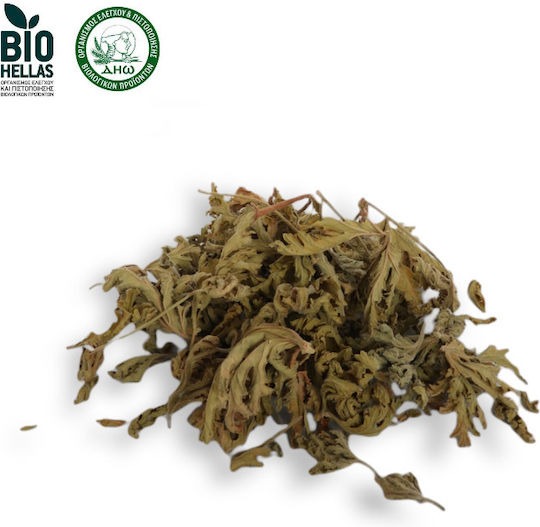
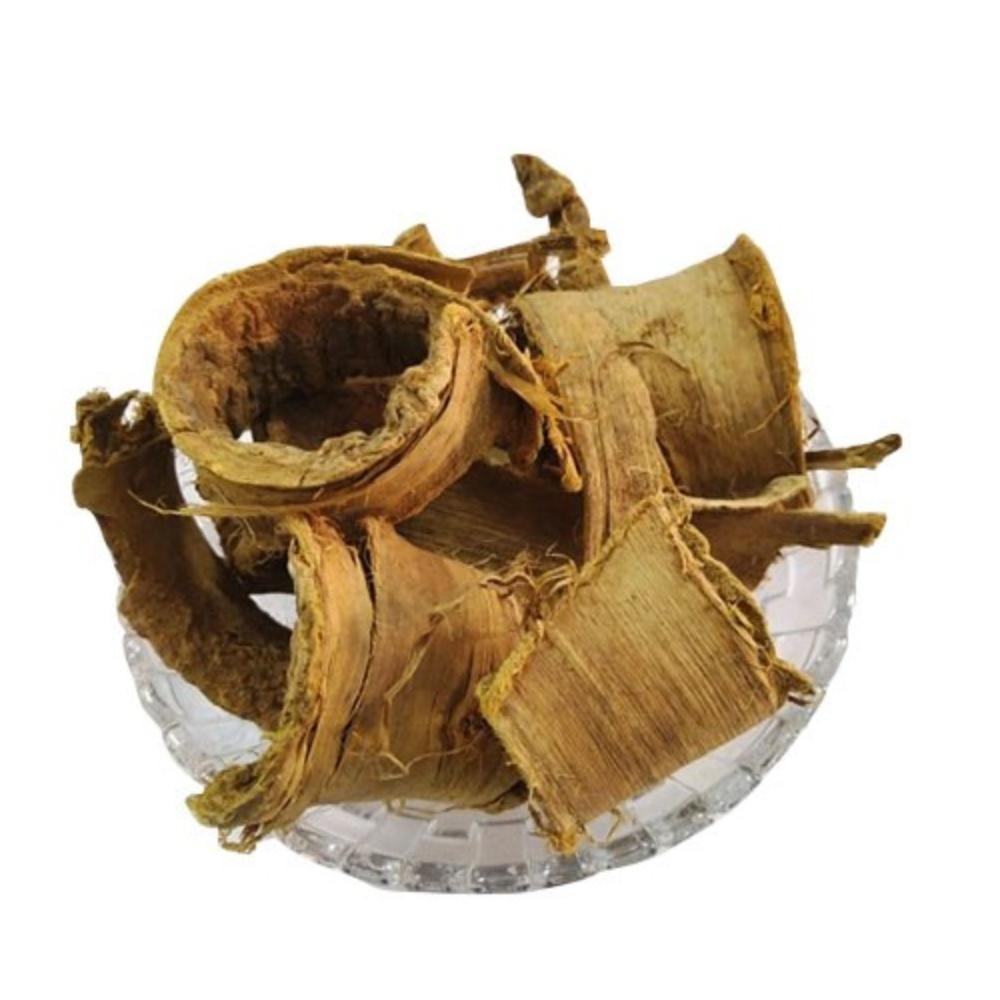
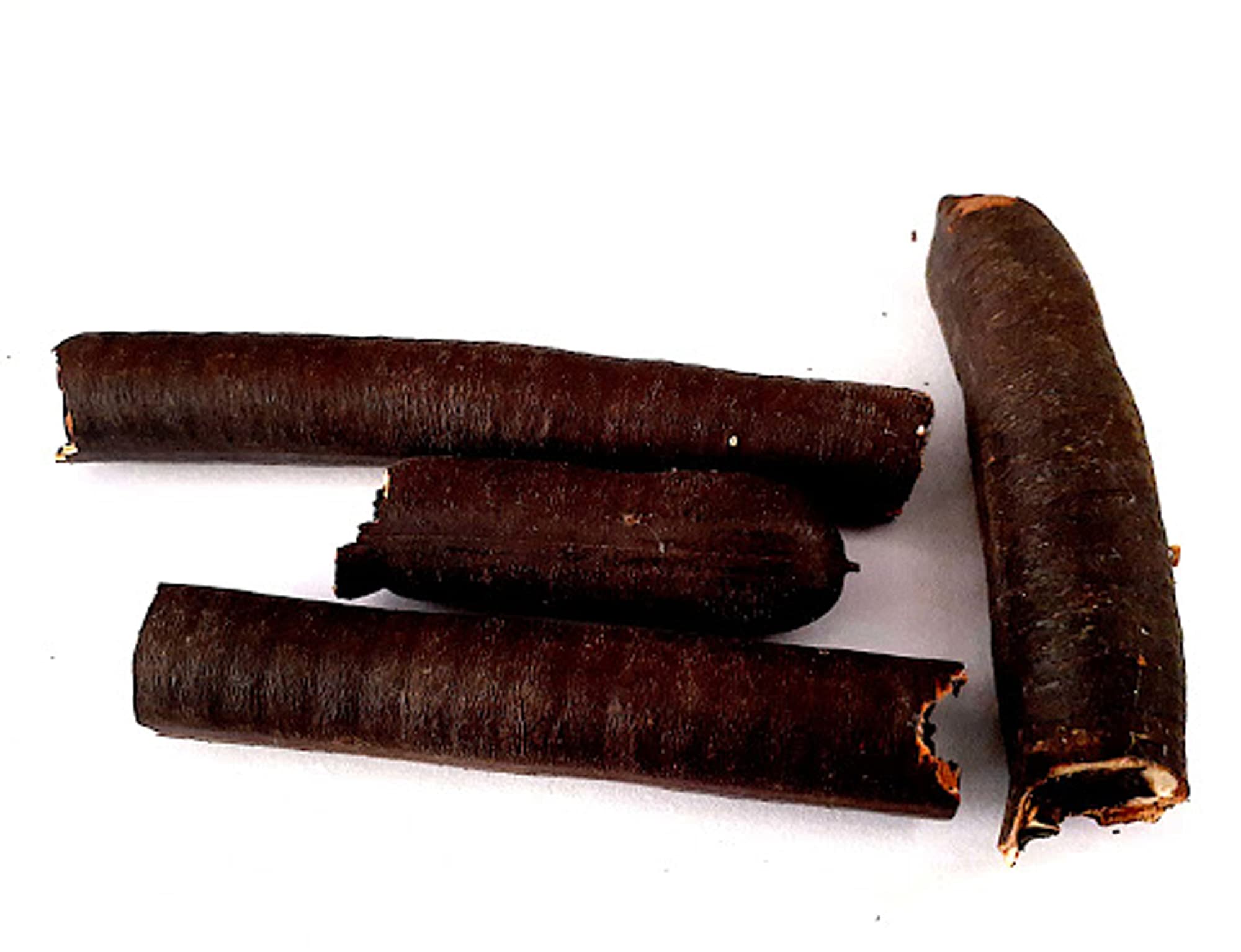
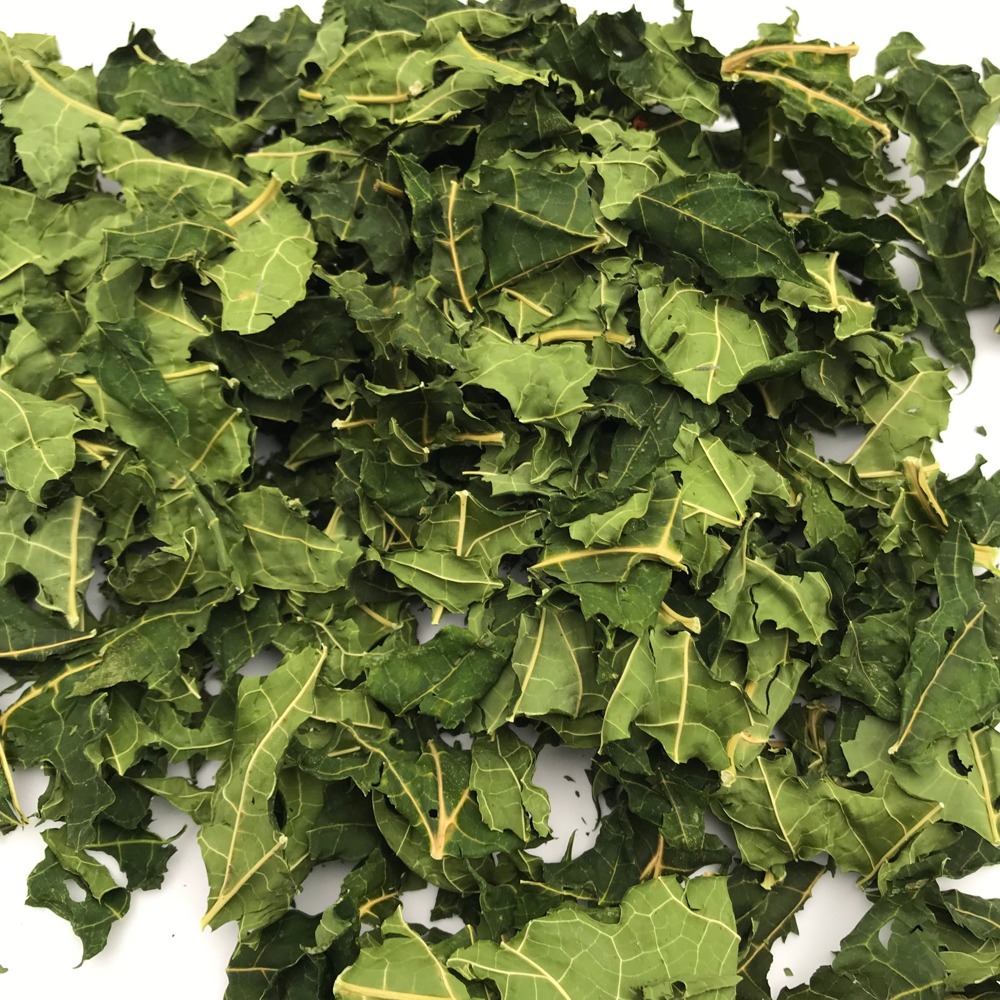
Castor has a long history in Ayurveda, where the root and leaf, rather than the raw seed, are the parts referenced in classical texts, and castor oil derived from processed seed has separate traditional applications. The following notes describe traditional positioning, not established medical outcomes, and do not apply to raw, unprocessed seed.
Traditional use of processed castor oil
Ayurveda references castor oil, prepared from processed and purified seed, in formulations traditionally used for digestive and joint-related complaints. This traditional use applies strictly to refined, purified oil, never to raw seed or unprocessed cake.
Topical and cosmetic traditional use
Cold-pressed castor oil is traditionally used as a base oil in hair and skin applications, valued for its viscosity and emollient character. This is a cosmetic-formulation use, not a therapeutic claim.
Why raw seed carries no health-use positioning
Raw castor seed and de-oiled cake contain ricin, a toxic protein, and are not suitable for any food, dietary supplement or direct-consumption use in any form. AV Biotech does not position raw seed or cake for any health, wellness or nutraceutical application, and buyers should not represent it as such.
What buyers should note
Any health or cosmetic claim built on castor must be substantiated using the refined oil or a specific validated derivative, with the material's processing history and purity documented. Claims cannot be transferred from processed oil back onto raw seed.
This information is provided for educational and B2B product-sourcing purposes only. It is not medical advice and these statements have not been evaluated by any regulatory authority. Finished-product claims are the responsibility of the manufacturer.
| Botanical name | Ricinus communis L., Fam. Euphorbiaceae |
|---|---|
| Part used | Mature seed (for oil extraction); processed oil, not raw seed, used in finished applications |
| Appearance | Mottled brown-grey, glossy, oval seed with a caruncle at one end |
| Active constituents | Oil content approximately 45 to 48 per cent, chiefly ricinoleic acid triglyceride; ricin protein present in seed coat and de-oiled cake, confirmed absent from properly refined oil |
| Moisture | Not more than 8 per cent, typical trade limit |
| Total ash | Not more than 6 per cent, typical trade limit |
| Acid-insoluble ash | Not more than 1.5 per cent, typical trade limit |
| Foreign matter | Not more than 2 per cent, typical trade limit |
| Particle size | Whole seed as cleaned and graded; not milled |
| Pesticide/heavy-metal/microbial testing | Screened against EU MRL and AYUSH heavy-metal limits on request; ricin content and cake detoxification status confirmed per lot for restricted-use orders |
| Packing | 50 kg PP/HDPE bags; jumbo bags for bulk crushing-industry orders |
| Shelf life | 12 months for raw seed in original sealed packing, stored dry |
| Note | All values are typical or indicative. Actual lot values vary with origin and season, and are confirmed on the batch Certificate of Analysis. Supply of raw seed and de-oiled cake is subject to end-use verification and destination-market import compliance |
Values are typical and indicative. A lot-specific Certificate of Analysis is shared before dispatch.
What is your minimum order quantity for castor seed?
1 MT for raw crushing-grade seed and de-oiled manure-grade cake. Because of ricin-related handling restrictions, we do not offer small trial samples of raw seed or cake; buyers instead receive full specification sheets and, where applicable, a lab-tested reference report.
Can you ship castor seed and de-oiled cake to any country?
No. Ricin content in raw seed and cake means several destination markets restrict or prohibit import. We confirm your country's import rules and required licensing before quoting, and we ask for a stated end use before any order is processed.
What documentation comes with a shipment?
Every lot ships with a batch Certificate of Analysis covering oil content, moisture and ash. Export consignments carry a phytosanitary certificate, Certificate of Origin, packing list and commercial invoice, and cake shipments carry a detoxification status statement where applicable.
Do you supply refined castor oil, not just raw seed?
We can arrange refined and pharmacopoeia-grade castor oil through partner crushing facilities against a specific buyer order. This routes through processed-oil supply chains rather than raw-seed export, and lead times differ from seed orders.
What is the typical lead time?
10 to 15 working days for stock seed grades from Jaipur, subject to completed end-use and destination documentation. Cake and refined-oil orders typically need 3 to 4 weeks given the additional processing and compliance steps involved.
Enquire about Castor (Arandi)
No payment is taken here — this reaches our sourcing team directly.
Related products