Chironji
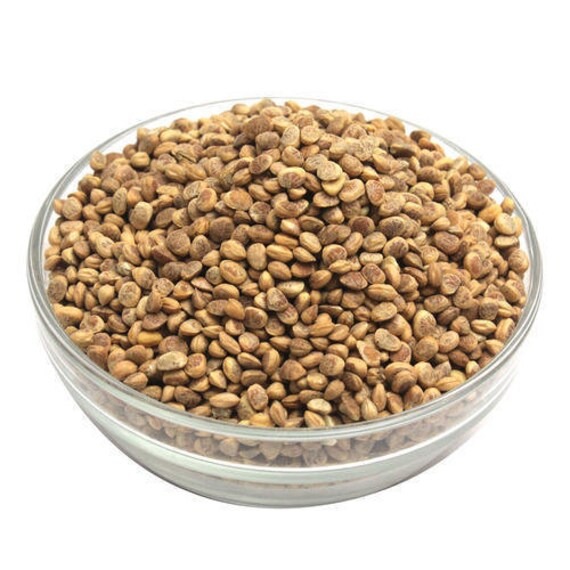
Chironji
Buchanania lanzan Spreng.
Bulk Chironji kernels (Buchanania lanzan) from Central India's forest belt for confectionery, dry-fruit and cosmetic-oil manufacturers, with identity and freshness checks.
- Botanical nameBuchanania lanzan Spreng.
- Part usedKernel (seed)
- FamilyAnacardiaceae
- Also known asCharoli, Chirauli, Priyala, Achar
- Certificate of Analysis
- Samples available
- Export documents handled
Chironji is the kernel obtained from the hard-shelled seed of Buchanania lanzan, a forest tree of Central India whose nut is sold as a premium dry fruit and pressed for a mild, almond-like oil. Buyers source it for confectionery, dry-fruit trade and cosmetic-oil applications, and freshness is the main quality variable to manage.
Botanical identity and part used
Chironji belongs to the Anacardiaceae family, the same family as mango and cashew, and grows as a medium-sized deciduous tree. The commercial product is the kernel recovered after decorticating (shelling) the hard nut inside the ripe fruit.
Where it grows in India
Chironji occurs in dry deciduous forests across Central and peninsular India, with Madhya Pradesh, Chhattisgarh and Maharashtra forming the core commercial belt. It is also collected in Andhra Pradesh, Bihar, Gujarat, Jharkhand, Karnataka, Odisha, Rajasthan and Uttar Pradesh.
The species is entirely forest-sourced rather than orchard-cultivated, and collection is carried out largely by forest-dwelling communities, which makes consistent large-volume supply dependent on the season's forest yield.
Harvest and processing
Fruit is collected as it ripens between April and June, with peak collection typically in May and June. The fleshy pulp is removed, the hard nut is dried, and kernels are extracted by decortication, a step that is mechanically difficult because of the nut's hard shell and is a common point of quality loss if not done carefully.
Kernels yield roughly 52 per cent oil by weight, making the by-product oil, sometimes marketed as a substitute for almond or olive oil in cosmetic use, a meaningful secondary output of processing.
Why buyers source it and adulteration risk
Chironji is a high-value kernel, priced well above most commodity nuts, which creates a standing incentive for adulteration with cheaper look-alike kernels or for mixing in old, rancid stock with fresh material. Buyers should check for uniform kernel colour and size, absence of a sharp or stale off-odour, and low broken-kernel content, since rancidity develops quickly once the shell is removed and the high oil content is exposed to air, heat and moisture.
Because shelf-stable loose kernel has a comparatively short practical shelf life, lot freshness and storage history matter more for chironji than for most tree nuts in AV Biotech's range.
Forms that trade
AV Biotech supplies whole decorticated kernels graded by size and colour uniformity. Broken and screening-grade kernel, suited to oil pressing and confectionery paste use, is offered as a separate lower-cost grade from whole premium kernel.
Industry applications of Chironji kernel
Chironji moves mainly into food, confectionery and cosmetic-oil manufacturing, with grade and freshness driving the buying decision more than assay figures.
Confectionery and bakery
Chironji kernel is a traditional ingredient in Indian sweets, kheer, halwa and festive confectionery, valued for its almond-like flavour and used both whole as a garnish and ground into paste. Bakeries also use it as a premium inclusion in cookies and bars.
Dry-fruit and retail trade
Whole, uniformly coloured kernel with minimal breakage commands the premium retail dry-fruit price bracket, sold loose or in branded packaging as a mewa (dry fruit) alongside almonds and cashews.
Cosmetic and personal-care oil
Cold-pressed chironji oil, extracted from kernels carrying roughly 52 per cent oil content, is used as a base oil and active ingredient in skin ointments and formulations traditionally used for itchy skin, prickly heat and skin-lightening cosmetic positioning. Formulators use it as a functional substitute for almond or olive oil in premium personal-care lines.
Culinary spice and paste use
Ground chironji is used as a thickening and flavouring paste in North Indian gravies and curries, a culinary application distinct from its confectionery use.
Ayurvedic traditional use
Chironji kernel and oil appear in some traditional Ayurvedic topical preparations, generally in combination with other ingredients rather than as a standalone classical drug.
Common product formats
- Whole decorticated kernel, premium grade
- Broken and screening-grade kernel for oil pressing and paste use
- Cold-pressed chironji oil for cosmetic formulation
- Ground chironji paste for culinary and confectionery use
Traditional use and current research
Chironji has a long-standing place in Indian culinary and traditional topical use, valued both as a nutrient-dense dry fruit and, through its expressed oil, as a traditional skin-care ingredient. The following notes describe traditional positioning and general nutritional composition, not established medical outcomes.
Nutrient-dense dry-fruit positioning
Chironji kernel is nutritionally comparable to other tree nuts, carrying substantial oil, protein and mineral content, and is positioned in the dry-fruit category alongside almonds and cashews for general nutrition-panel purposes.
Traditional topical skin use
Chironji oil, expressed from the kernel, has a traditional history of topical use in Ayurvedic-style preparations for itchy or irritated skin and prickly heat, and is also referenced in traditional formulations aimed at an even-toned complexion. These are traditional-use references, not clinical claims.
Culinary and general wellness positioning
As a component of traditional Indian sweets and tonics, chironji carries a general wellness and festive-nutrition association in Indian food culture, rather than a specific therapeutic indication.
Research interest in antioxidant and nutritional profiling
Published research on chironji has looked at antioxidant activity and general nutritional and seed-oil composition, an early-stage research area rather than an established therapeutic finding, and formulators should not extrapolate disease-related claims from this work.
What buyers should note on claims
Because chironji is both a food ingredient and a cosmetic-oil source, health-adjacent claims should be limited to nutrition-panel facts for the kernel and traditional-use language for the oil, matched to the applicable food or cosmetic regulatory framework in the destination market.
This information is provided for educational and B2B product-sourcing purposes only. It is not medical advice and these statements have not been evaluated by any regulatory authority. Finished-product claims are the responsibility of the manufacturer.
| Botanical name | Buchanania lanzan Spreng., Fam. Anacardiaceae |
|---|---|
| Part used | Kernel (decorticated seed) |
| Appearance | Small, rounded, ivory-white to pale cream kernel, almond-like in flavour; uniform colour and minimal breakage in premium grade |
| Active constituents | Oil content approximately 52 per cent of kernel weight; protein and mineral content comparable to other tree nuts, confirmed on the batch Certificate of Analysis |
| Quality checks | Absence of stale or rancid odour, uniform kernel colour and size, low broken-kernel percentage; free-fatty-acid and peroxide value tested on request as rancidity indicators |
| Moisture | Not more than 6 per cent, typical trade limit |
| Foreign matter | Not more than 1 per cent (premium whole-kernel grade); broken kernel reported as a separate percentage |
| Particle size | Whole kernel as decorticated; ground paste form available on request |
| Pesticide/heavy-metal/microbial testing | Screened against EU MRL and Codex/FSSAI limits; aflatoxin and microbial testing (TPC, yeast and mould, E. coli, Salmonella) available per lot |
| Packing | 15 to 25 kg vacuum-sealed or nitrogen-flushed bags to slow rancidity; smaller retail-ready vacuum packs available |
| Shelf life | 2 to 3 months for loose kernel in standard packing; 6 to 8 months in vacuum-sealed or nitrogen-flushed packing stored cool and dry |
| Note | All values are typical or indicative. Actual lot values vary with harvest season and storage history, and are confirmed on the batch Certificate of Analysis. Given the kernel's fast-developing rancidity, buyers should confirm packing date before ordering |
Values are typical and indicative. A lot-specific Certificate of Analysis is shared before dispatch.
What is your minimum order quantity for Chironji kernels?
100 kg for premium whole kernel and 250 kg for broken or screening-grade kernel used in oil pressing and paste manufacturing. Paid samples of 250 g are available for freshness and quality evaluation before a commercial order.
How do you check for adulteration and rancidity in Chironji?
We check for uniform kernel colour and size, low broken-kernel content and absence of a stale or rancid odour at grading, and we can supply free-fatty-acid and peroxide value test results on request. These are the practical checks buyers should also apply on receipt, since chironji's high oil content makes it prone to fast rancidity once shelled.
What documentation comes with an export shipment?
Every lot ships with a batch Certificate of Analysis covering moisture, foreign matter and an aflatoxin test report. Export consignments also carry a phytosanitary certificate, Certificate of Origin, packing list and commercial invoice.
What is the shelf life, and can you extend it?
Loose kernel in standard packing holds for 2 to 3 months. We offer vacuum-sealed and nitrogen-flushed packing that extends practical shelf life to 6 to 8 months, recommended for any order that will not be consumed within a few weeks of receipt.
What is the typical lead time, and is chironji available year-round?
10 to 15 working days for stock grades from Jaipur. Fresh-season kernel is most abundant just after the April-to-June forest harvest; off-season orders draw on stored stock, so we recommend confirming freshness and packing date at the time of enquiry.
Enquire about Chironji
No payment is taken here — this reaches our sourcing team directly.
Related products