Coffee
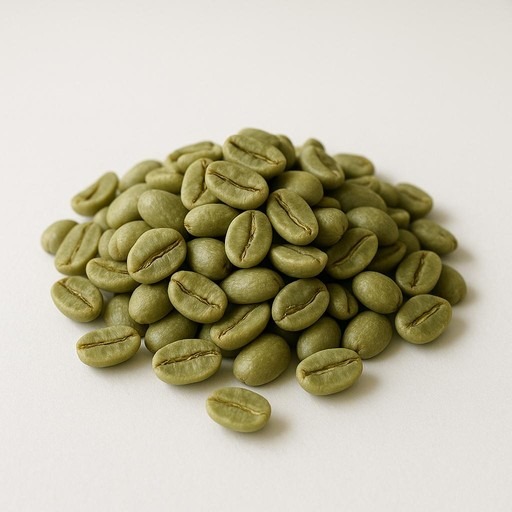
Coffee
Coffea arabica L.
Bulk green Coffea arabica beans from Karnataka's coffee belt, in Plantation, AA, PB and Cherry grades, for roasters, blenders and extract manufacturers.
- Botanical nameCoffea arabica L.
- Part usedSeed (bean), green and roasted
- FamilyRubiaceae
- Also known asKaapi, Bun, Coffee Seed
- Certificate of Analysis
- Samples available
- Export documents handled
Coffee in the AV Biotech commodities line is the green (unroasted) seed of Coffea arabica L., sourced from India's established Arabica-growing belt. Buyers are roasters, coffee blenders, instant-coffee manufacturers and extract producers.
Botanical identity and part used
Coffea arabica belongs to the Rubiaceae family, the same family as gardenia and cinchona. The plant is a shrub whose red drupes, called cherries, each generally contain two seeds, the coffee beans of commerce.
The traded commodity is the dried, processed green bean, before roasting. India also grows Coffea canephora (robusta) at scale, but arabica is the higher-value, more acidic and aromatic species and is graded and priced separately from robusta throughout the trade.
Where it grows in India
Indian arabica is grown across the high-elevation coffee tracts of Karnataka, Kerala and Tamil Nadu, with Karnataka's Chikmagalur, Kodagu (Coorg) and Hassan districts forming the historic core of the crop. Coffee cultivation in India traces back to Arabica seed introduced from Yemen and planted in these Karnataka hill tracts centuries ago.
India's coffee is typically grown under a two-tier shade canopy alongside pepper, cardamom and other intercrops, a system that shapes the cup profile buyers associate with Indian arabica.
Harvest and processing
Cherries are hand-picked, generally over one main harvest season, then processed by either the washed (wet) method or the natural (dry) method, which affects the final cup character. Beans are hulled, sorted by size and density, and graded before bagging.
Grading: Plantation, AA, PB and Cherry
Indian Coffee Board-style grading sorts arabica by bean size and shape into classes such as Plantation A, AA, PB (peaberry, a naturally single-seeded cherry) and Cherry grade. AA denotes the largest flat-bean screen size, PB is a distinct rounder bean prized for its concentrated flavour, and Cherry grades are typically dry-processed, lower-tier lots used in blends rather than single-origin offers.
Why buyers source it
The commercial value sits in bean size uniformity, moisture stability and cup quality, which roasters assess through cupping alongside the physical grade. Indian export arabica is generally positioned on a balanced, chocolate-forward, moderate-acidity profile suited to espresso and filter blends.
Forms that trade
AV Biotech supplies green coffee as Plantation A, AA, PB and Cherry grades, sized and sorted to screen, alongside roasted and ground coffee against buyer specification.
Industry applications of Coffee
Coffee moves into roasting, beverage, food and extract manufacturing, and each segment specifies a different grade and processing method.
Roasting and beverage manufacturing
Specialty and commercial roasters are the largest buyers, using AA and Plantation A grades for single-origin and premium blends, and Cherry or lower screen grades for commercial blends and instant-coffee feedstock. Washed and natural-process lots are quoted and cupped separately, since processing changes the flavour profile roasters are buying for.
Instant coffee and extract manufacture
Instant-coffee and coffee-extract manufacturers buy lower-grade and screen-out lots at volume, since extraction yield and soluble solids matter more here than bean size uniformity or cupping score.
Food and confectionery use
Roasted and ground coffee, along with coffee extract, is used in confectionery, bakery, dairy and dessert applications, where consistent roast colour and flavour intensity are the key specification points.
Nutraceutical and cosmetic use
Green coffee bean extract, valued for its chlorogenic acid content, is used in weight-management and metabolic-wellness supplement formulations, and in caffeine-based cosmetic products such as eye creams and anti-cellulite formulations.
Pet food and novelty applications
Coffee husk and lower-grade screenings find use in composting and some novelty and byproduct applications, though this is a minor volume stream compared to the beverage-grade trade.
Common product formats
- Single-origin and blended roasted whole bean and ground coffee
- Instant coffee and coffee extract concentrates
- Green coffee bean extract for supplement formulations
- Coffee-flavoured confectionery, bakery and dairy products
- Caffeine and coffee-extract cosmetic formulations
Traditional use and current research
Coffee is primarily a beverage and food commodity rather than a classical Ayurvedic drug, though green coffee bean extract has become a defined nutraceutical ingredient category in recent decades. The following notes describe research directions relevant to formulators, not established medical outcomes.
Caffeine and alertness
Caffeine, coffee's most studied constituent, is widely recognised to support short-term alertness and reduce perceived fatigue, which is the basis for its use in beverage and functional-food formulations worldwide.
Green coffee bean extract and chlorogenic acid
Green, unroasted coffee bean retains a higher chlorogenic acid content than roasted bean, since roasting degrades a substantial share of these compounds. Studies have examined chlorogenic acid-standardised green coffee extracts for effects on body weight and metabolic markers, and this research underpins a distinct supplement category separate from beverage coffee.
Antioxidant research
Coffee, both green and roasted, has been studied for its polyphenol and antioxidant content, contributing to interest in coffee-derived ingredients for both nutraceutical and cosmetic use.
Points buyers should note on claims
Green coffee extract claims are built on chlorogenic acid content, typically standardised and stated on a percentage basis by the extract manufacturer, not on the raw green bean alone. Buyers formulating a weight-management or metabolic claim should confirm the chlorogenic acid standardisation of their specific extract supplier and align dosing with the cited research.
Caffeine content and sensitivity vary between individuals, and finished beverage and supplement products should carry appropriate caffeine-content labelling per the destination market's rules.
This information is provided for educational and B2B product-sourcing purposes only. It is not medical advice and these statements have not been evaluated by any regulatory authority. Finished-product claims are the responsibility of the manufacturer.
| Botanical name | Coffea arabica L., Fam. Rubiaceae |
|---|---|
| Part used | Seed (bean), traded green (unroasted); roasted and ground available to order |
| Appearance | Green bean: oval, flat or rounded (peaberry), bluish-green to greenish-grey; roasted bean colour per roast profile |
| Grade / screen size | Plantation A, AA (largest flat bean), PB (peaberry), Cherry grade; screen size stated per grade |
| Active constituents | Caffeine (typically 1 to 1.5 per cent in green arabica bean); chlorogenic acids, higher in green than roasted bean |
| Moisture | Not more than 12 per cent for green bean (typical trade limit for safe storage) |
| Foreign matter and defects | Defect count and foreign-matter limit stated per grade under Coffee Board-style grading norms |
| Particle size | Whole bean standard; ground coffee to buyer-specified grind (coarse to fine) |
| Pesticide/heavy-metal/microbial testing | Tested against buyer-nominated panel; ochratoxin A screening available for green bean; total plate count, yeast and mould to agreed limits |
| Packing | 60 kg jute or GrainPro-lined bags for green bean (export standard); 25 kg for roasted/ground; retail pack sizes on request |
| Shelf life | 12 months for green bean under proper storage; 6 to 9 months for roasted whole bean; 3 to 6 months for ground coffee |
| Note | All values are typical or indicative. Actual lot values vary with grade, origin, season and processing method, and are confirmed on the batch Certificate of Analysis |
Values are typical and indicative. A lot-specific Certificate of Analysis is shared before dispatch.
What is your minimum order quantity for green coffee beans?
500 kg for green bean and 100 kg for roasted or ground coffee. We supply 500 g to 1 kg samples for cupping and quality evaluation before you commit to a commercial order.
What grades of Arabica do you supply, and how do they differ?
We supply Plantation A, AA, PB (peaberry) and Cherry grades. AA is the largest flat-bean screen size and generally commands the highest price, PB is a naturally rounder single-seed bean valued for concentrated flavour, and Cherry grade is typically dry-processed and used in commercial blends.
Can you supply washed (wet-processed) or natural (dry-processed) lots specifically?
Yes, we quote washed and natural process separately, since the two give distinctly different cup profiles. Please specify your preferred process and target grade at enquiry stage so we can match lots to your cupping requirement.
What documentation comes with an export shipment?
Every lot ships with a batch Certificate of Analysis covering moisture, defect count and grade confirmation. Export consignments also carry a phytosanitary certificate, Certificate of Origin, packing list and commercial invoice.
What is the typical lead time for coffee orders?
10 to 15 working days for stock grades from origin, subject to seasonal availability after the main harvest. Custom roast profiles and specific process/grade combinations take 3 to 4 weeks to source and prepare.
Enquire about Coffee
No payment is taken here — this reaches our sourcing team directly.
Related products