Coffee Senna (Kasondi)
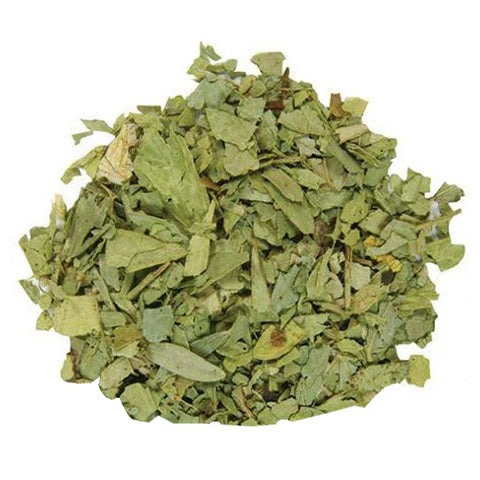
Coffee Senna (Kasondi)
Senna occidentalis (L.) Link (syn. Cassia occidentalis L.)
Bulk Coffee Senna (Kasondi) leaf and root for Ayurvedic manufacturers, supplied with seed content controlled given its documented livestock hepatotoxicity.
- Botanical nameSenna occidentalis (L.) Link (syn. Cassia occidentalis L.)
- Part usedLeaf, root, seed
- FamilyFabaceae (Caesalpinioideae)
- Also known asKasondi, Kasamarda, Kasunda, Thagarai
- Certificate of Analysis
- Samples available
- Export documents handled
Coffee Senna is the leaf, root and seed of Senna occidentalis (L.) Link, a widely distributed Fabaceae shrub known in Ayurveda as Kasamarda. Buyers are Ayurvedic and Unani manufacturers, and specialist roasted-seed processors, each working to a distinct part-of-plant specification.
Botanical identity and the seed caution
Senna occidentalis belongs to the Fabaceae family, subfamily Caesalpinioideae, and grows as a common weedy shrub across warm regions of India. The species is easily confused in casual sourcing with the medicinal sennas, Cassia angustifolia and Senna alexandrina, which are unrelated in trade use and constituent profile.
The plant's seed carries documented hepatotoxicity in livestock. Published veterinary case reports describe acute hepatic and myocardial toxicity in cattle, pigs, goats and horses that consumed feed contaminated with Senna occidentalis seed, and the toxic principle is linked to anthraquinone-derived compounds in the seed. AV Biotech states this plainly because the seed is a recognised crop and feed contaminant in some regions, and any buyer procuring plant material, grain or feed from a mixed-cropping tract should be aware of this risk and screen accordingly.
Where it grows in India
Coffee Senna grows across most of India as a roadside and wasteland weed, and is collected rather than field-cultivated at scale. It is common in Uttar Pradesh, Bihar, Madhya Pradesh, Rajasthan and across peninsular India.
Harvest and processing
Leaves are hand-collected and shade or sun-dried. Root is dug, washed and dried. Seed pods, where required for the roasted-seed trade, are collected separately at maturity, threshed and cleaned.
Why buyers source it
Leaf and root are sourced for their traditional use in Ayurvedic skin preparations, where a paste of the leaf, root or seed is applied externally, most notably for ringworm and related fungal skin conditions, under the classical name Kasamarda. Roasted, ground seed has a long folk history as a caffeine-free coffee substitute, sold under the historical trade name negro coffee, though this is now a small, specialist segment rather than a mainstream commodity.
Forms that trade
AV Biotech supplies Coffee Senna primarily as dried leaf and root, whole or powdered, for Ayurvedic and Unani manufacturing. Seed is supplied only against a specific buyer request and documented end use, given its toxicity profile, and is never included as an undeclared component of leaf or root lots.
Industry applications of Coffee Senna
Coffee Senna is a smaller-volume, specialist herb compared to mainstream Ayurvedic botanicals, and its parts are not interchangeable in a buyer's specification.
Ayurvedic and Unani manufacturing
Ayurvedic manufacturers use leaf and root, known as Kasamarda, in topical formulations for skin conditions, particularly ringworm and other fungal presentations, and in some digestive and laxative classical preparations. Unani practice uses related preparations under its own nomenclature.
These buyers specify leaf or root explicitly and generally exclude seed from the raw-material specification unless the finished formulation is a documented classical recipe that calls for it.
Roasted seed and coffee-substitute processors
A small, specialist segment roasts and grinds the seed as a caffeine-free coffee substitute, a use with a long folk history in parts of India and other regions. This is a niche application, and buyers here work under controlled roasting protocols intended to reduce the seed's toxic load before human consumption.
Agricultural and feed-safety testing
Feed manufacturers, grain processors and quality-control laboratories sometimes require reference material of Senna occidentalis seed for contamination-screening and identification purposes, given its status as a documented feed and crop contaminant in mixed-cropping regions.
Research and phytochemical use
Research institutions source leaf, root and seed material for phytochemical and pharmacological study, an area with active published literature on the plant's constituents and their effects.
Common product formats
- Kasamarda churna and topical pastes in classical Ayurvedic and Unani formulations
- Leaf and root powder for external skin preparations
- Roasted, ground seed as a specialist coffee substitute, under controlled processing
- Reference and research-grade seed material for identification and toxicology study
Buyers should always state which plant part they require and the intended end use, since AV Biotech documents and controls seed supply separately from leaf and root given its toxicity profile.
Traditional use and the toxicity profile buyers must know
Coffee Senna is classed in Ayurveda under Kasamarda, with traditional use recorded for skin conditions and mild laxative action. The following notes describe traditional positioning and published research, not established medical outcomes, and this herb carries a documented safety profile that buyers must factor into any finished-product decision.
Traditional skin use
A paste of the leaf, root or seed is traditionally applied to ringworm, eczema and related fungal skin conditions in Ayurvedic folk practice. Some published laboratory studies report antibacterial and antifungal activity in extracts from the plant, consistent with this traditional external use.
Documented seed toxicity: the point buyers should not overlook
Senna occidentalis seed is hepatotoxic and has caused acute liver, heart and kidney injury in livestock, including cattle, pigs, goats and horses, after accidental consumption of contaminated feed. Laboratory studies in animal models have also demonstrated liver-tissue changes following seed extract administration. This is a well-documented finding in veterinary toxicology literature, not a traditional-use caution alone, and it is the single most important fact for any buyer evaluating this raw material.
Why this matters for sourcing decisions
Any buyer taking leaf, root or seed of this species should confirm which plant part they are receiving and should never accept seed material for a feed, food or beverage application without documented processing and toxicological review appropriate to that use. AV Biotech does not supply seed into feed, food or beverage supply chains without a buyer's own documented risk assessment and stated end use.
Other traditional and research areas
Traditional and preliminary research literature also references hepatoprotective, analgesic and diuretic properties for extracts of this plant, findings that sit alongside, and are not a substitute for, the documented hepatotoxicity associated with the seed specifically.
Points buyers should note on claims
Given the toxicity profile, any finished-product formulator working with this species should build their safety case on the specific plant part, extraction method and dose used in the cited research, and should seek independent toxicological and regulatory review before launching an ingestible product containing this material.
This information is provided for educational and B2B product-sourcing purposes only. It is not medical advice and these statements have not been evaluated by any regulatory authority. Finished-product claims are the responsibility of the manufacturer.
| Botanical name | Senna occidentalis (L.) Link, syn. Cassia occidentalis L., Fam. Fabaceae |
|---|---|
| Part used | Dried leaf, dried root; seed supplied only against documented buyer request and end use |
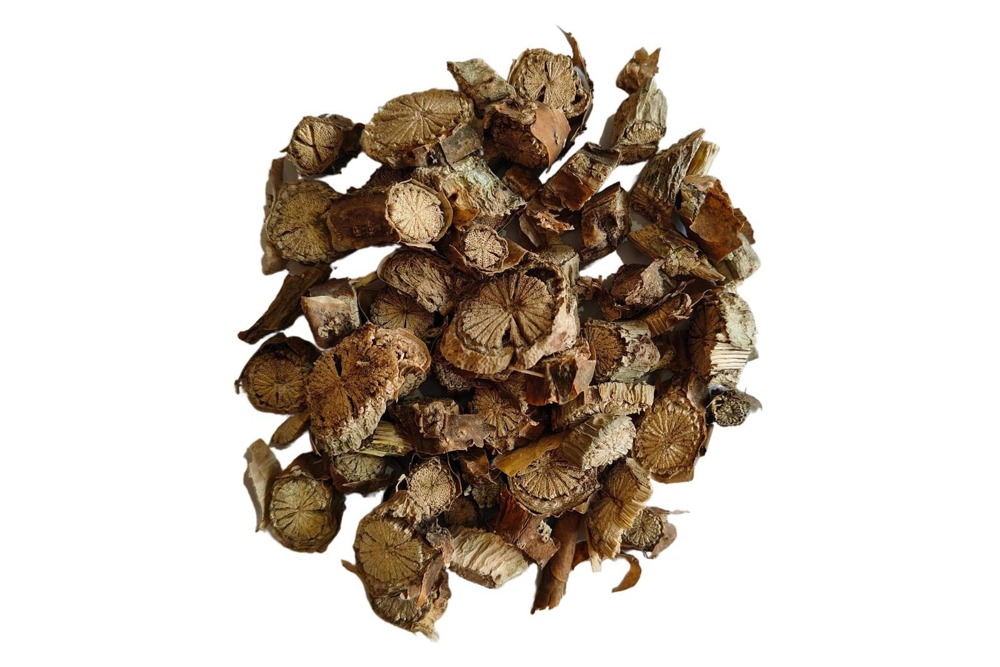
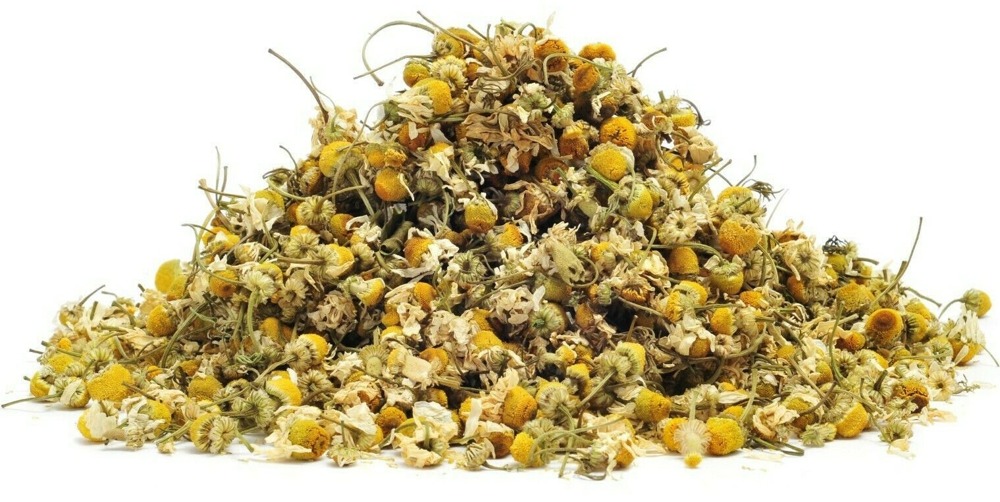
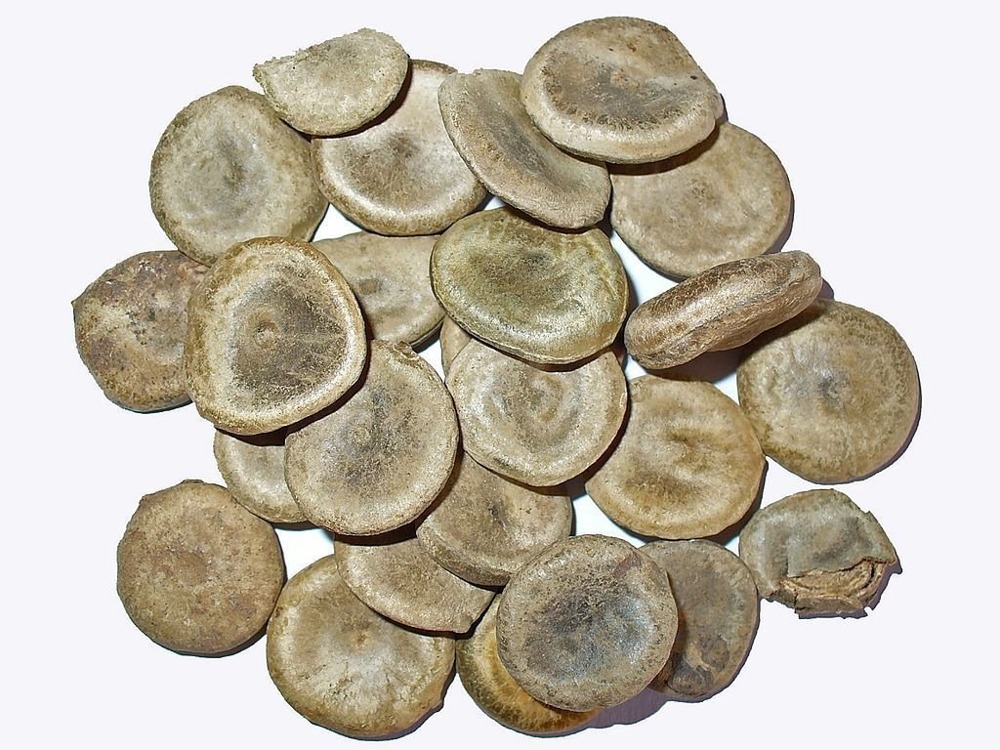
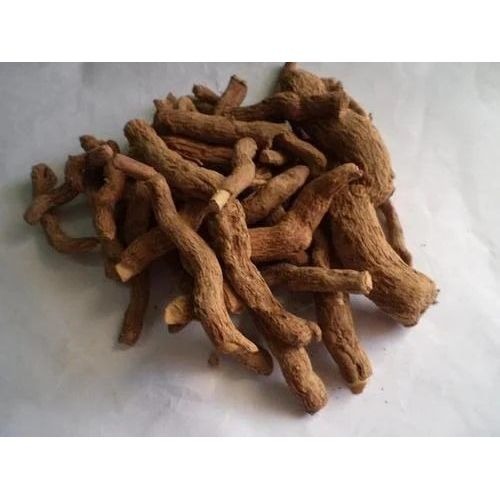
| Appearance | Leaf: pinnate, ovate-lanceolate leaflets, dull green when dried. Root: woody, brownish. Seed: flattened, olive-brown, glossy |
| Active constituents | Anthraquinone derivatives (emodin and physcion-type glycosides), chrysophanic acid, primarily concentrated in seed and pod |
| Important safety note | Seed is documented as hepatotoxic to livestock in veterinary literature; not supplied for feed, food or beverage use without buyer's own toxicological and regulatory review |
| Moisture | Not more than 10 per cent for leaf and root (typical trade limit) |
| Total ash | Not more than 10 per cent (typical) |
| Acid-insoluble ash | Not more than 2 per cent (typical) |
| Foreign matter | Not more than 2 per cent (typical); seed content in leaf/root lots controlled and stated on the Certificate of Analysis |
| Particle size | Whole and cut leaf/root standard; powder 60 to 80 mesh on request |
| Pesticide/heavy-metal/microbial testing | Tested against buyer-nominated panel; heavy metals to AYUSH limits; total plate count, yeast and mould, E. coli and Salmonella to agreed limits |
| Packing | 25 kg HDPE or PP laminated bags with food-grade LDPE inner liner |
| Shelf life | 18 to 24 months for leaf and root, in sealed original packing |
| Note | All values are typical or indicative. Actual lot values vary with origin, season and part supplied, and are confirmed on the batch Certificate of Analysis |
Values are typical and indicative. A lot-specific Certificate of Analysis is shared before dispatch.
What is your minimum order quantity for Coffee Senna?
50 kg for leaf or root powder and 100 kg for whole or cut leaf and root. Identity-verification samples of 100 g to 500 g, including seed reference samples for laboratory use, are available separately.
Is Coffee Senna seed safe to use in food, feed or beverage products?
The seed is documented in veterinary literature as hepatotoxic to livestock and requires careful evaluation before any ingestible use. We supply seed only against a buyer's documented end use and do not place it into feed, food or beverage supply chains without the buyer's own toxicological and regulatory review.
Do your leaf and root lots contain seed or pod material?
Our leaf and root lots are sorted to control seed and pod content, and the residual level is stated on the Certificate of Analysis for each lot. If your application requires seed-free material, state that requirement at enquiry stage and we will confirm it on the specification.
What documentation comes with an export shipment?
Every lot ships with a batch Certificate of Analysis stating the plant part supplied, ash values, moisture and microbiology. Export consignments also carry a phytosanitary certificate, Certificate of Origin, packing list and commercial invoice.
What is the typical lead time for Coffee Senna orders?
10 to 15 working days for stock grades of leaf and root from Jaipur, since material is wild-collected rather than field-cultivated. Seed orders and custom mesh sizes are handled case by case and may take longer, depending on documentation requirements.
Enquire about Coffee Senna (Kasondi)
No payment is taken here — this reaches our sourcing team directly.
Related products