Kalmegh
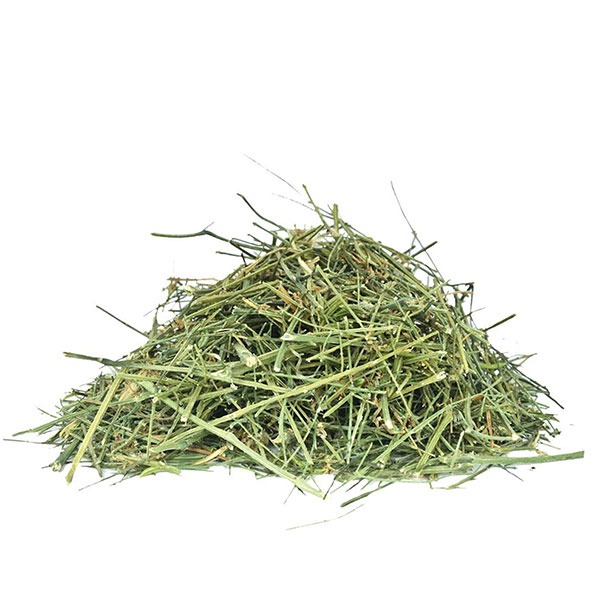
Kalmegh
Andrographis paniculata
Kalmegh is the dried aerial herb of Andrographis paniculata, supplied in bulk to Ayurvedic, nutraceutical and herbal extract manufacturers worldwide.
- Botanical nameAndrographis paniculata
- Part usedWhole aerial parts (herb), leaves
- FamilyAcanthaceae
- Also known asBhunimba, Bhui-neem, Kiryat, Nilavembu, Kalamegha
- Certificate of Analysis
- Samples available
- Export documents handled
Kalmegh is the dried aerial part of Andrographis paniculata, traded in bulk as whole herb, cut material and powder. Buyers are mainly Ayurvedic manufacturers, supplement brands and extract houses.
Botanical identity
Andrographis paniculata (Burm.f.) Wall. ex Nees belongs to the Acanthaceae family. It is an erect annual herb, usually 30 to 100 cm tall, with a four-angled branched stem.
The leaves are lance-shaped and the small white flowers carry purple markings. The whole plant is intensely bitter, which is the origin of the trade name King of Bitters.
One identity point matters for procurement. Kalmegh is sometimes confused with Chirayata (Swertia chirata) because both are bitter tonic herbs. They are botanically unrelated and are not interchangeable in a specification.
Growing regions and harvest
Kalmegh is grown as a kharif crop, sown with the monsoon between roughly May and July. Commercial cultivation is concentrated in Madhya Pradesh, Chhattisgarh, Maharashtra, Andhra Pradesh, Tamil Nadu and Assam.
The crop is cut at the flowering stage, about 90 to 120 days after sowing. Reported field yields commonly fall between 2,000 and 2,500 kg of dry herb per hectare.
Growers usually leave 10 to 15 cm of stem so the plant regenerates. A second, lighter cut often follows 50 to 60 days later.
Processing and why it affects assay
Drying method has a direct commercial effect. Shade drying or controlled low-temperature drying protects leaf colour and the diterpene lactones.
Harsh open-sun drying tends to bleach the leaf and reduce measurable content. Buyers who care about assay should ask how a lot was dried, not only what it tests at.
What buyers are actually paying for
The commercial value sits in the diterpene lactones, chiefly andrographolide. Related compounds include neoandrographolide, 14-deoxyandrographolide and 14-deoxy-11,12-didehydroandrographolide.
Leaves carry substantially more andrographolide than stems. Leaf-to-stem ratio is therefore the single biggest driver of both price and assay in raw-herb lots.
Published analyses of plant material commonly report andrographolide in the region of 1% to 3% of dry weight. Values move with origin, season, plant part and drying, so lot-specific testing is the only reliable basis for a contract.
Forms that trade
We supply whole dried herb, cut and sifted material, tea-bag cut and milled powder at 60 or 80 mesh. Leaf-enriched grades are prepared for buyers who need a higher starting assay before extraction.
Whole and cut grades suit classical decoctions and tea blending. Powder feeds tablet, capsule and churna lines. Extract-grade lots are selected on assay rather than appearance.
Industry applications of Kalmegh
Kalmegh moves into four main buyer segments. Each one wants a different grade, so it helps to state the end use when you enquire.
Ayurvedic and herbal pharma
Kalmegh appears in classical Ayurvedic preparations as Bhunimba or Kalmegha. Manufacturers use whole herb and coarse cut for decoction-based lines, and 60 to 80 mesh powder for churna, vati and tablet manufacture.
Classical formulations that use the herb include Kalmeghasava and Bhunimbadi Kwatha. Pharma buyers usually specify low foreign matter and lot-wise identity testing.
Nutraceutical and supplement brands
Supplement makers formulate Kalmegh into capsules, tablets and softgels positioned around immune and liver wellness. Most brands work from standardised extract rather than plain powder.
Extract specifications in this segment are usually written against total andrographolides, with 10%, 20%, 30% and higher levels seen in trade. Confirm whether a supplier is quoting andrographolide alone or total andrographolides, because the two figures are not comparable.
Herbal tea and beverage
Tea-bag cut Kalmegh is blended into bitter herbal infusions, often with tulsi, giloy or neem. Because the herb is extremely bitter, it usually sits at a low inclusion rate in a blend.
This segment needs a clean, uniform cut with minimal dust and stem fibre so the material flows through tea-bagging machinery.
Extract and phytochemical manufacture
Extract houses buy Kalmegh on assay. They generally prefer leaf-rich material and will pay a premium for lots with a higher starting andrographolide figure.
Isolation of andrographolide at high purity is also a commercial route, supplying reference-standard and API-intermediate buyers.
Veterinary and animal nutrition
Kalmegh powder is used in poultry and livestock feed premixes, typically in herbal liver-support and appetite formulations. Feed-grade buyers focus on price, microbial load and consistent mesh rather than high assay.
Common product formats
- Churna, tablets, capsules and vati in Ayurvedic manufacturing
- Standardised extract capsules and softgels for supplement brands
- Herbal decoction and syrup bases
- Tea-bag and loose-leaf bitter tea blends
- Poultry and cattle feed premixes
- Isolated andrographolide for reference standards and further synthesis
Traditional uses and current research
Kalmegh has a long record in Ayurveda, Siddha and Unani practice. It is classified among the bitter tonic (tikta) herbs and appears under the Sanskrit name Bhunimba.
Traditional positioning
Traditionally used in Ayurveda in formulations supporting liver function and healthy digestion. Classical texts group it with herbs used for pitta-related conditions and for seasonal fevers.
In Siddha practice it is a well-known component of Nilavembu Kudineer, a bitter decoction used traditionally during fever seasons. This traditional standing is a large part of why the herb still trades in volume.
What studies suggest
Andrographolide and related diterpene lactones are the most studied constituents. Laboratory and clinical studies suggest possible anti-inflammatory and immunomodulatory activity, though study designs and extract types vary widely.
Research has also examined andrographolide in relation to liver enzyme markers and to upper respiratory comfort. Findings are not uniform and should not be read as settled conclusions.
Because published trials use different extracts at different standardisation levels, results from one extract cannot be transferred to another. Manufacturers should match their own material to the evidence they intend to reference.
How brands position finished products
Commonly formulated into products targeting immune support, seasonal wellness, liver and digestive wellness, and general bitter-tonic use. Positioning language must comply with the rules of the destination market.
In India, claims are constrained by the Drugs and Magic Remedies (Objectionable Advertisements) Act, FSSAI nutraceutical regulations and AYUSH licensing rules. In the EU and US, botanical claim rules differ again.
Points buyers should note
Kalmegh is an extremely bitter herb, which limits inclusion rates in food and beverage applications. Traditional practice also positions it as a herb for defined courses rather than indefinite daily use.
Formulators generally review suitability for pregnancy and for people on prescribed medication before finalising a consumer product. Regulatory and safety assessment for the finished product rests with the manufacturer.
This information is provided for educational and B2B product-sourcing purposes only. It is not medical advice and these statements have not been evaluated by any regulatory authority. Finished-product claims are the responsibility of the manufacturer.
| Botanical name | Andrographis paniculata (Burm.f.) Wall. ex Nees |
|---|---|
| Family | Acanthaceae |
| Part used | Dried aerial parts (leaf and tender stem); leaf-enriched grade on request |
| Appearance | Green to greyish-green herb; powder light to medium green |
| Odour and taste | Faint characteristic odour; intensely bitter taste |
| Active constituents | Diterpene lactones: andrographolide, neoandrographolide, 14-deoxyandrographolide |
| Andrographolide (raw herb) | Typically 1.0% to 3.0% on dry basis; varies by lot, season and leaf ratio |
| Extract standardisation | 10%, 20%, 30% and above total andrographolides (HPLC), to buyer specification |
| Moisture | Not more than 10% (typical) |
| Total ash | Not more than 12% (typical) |
| Acid-insoluble ash | Not more than 2% (typical) |
| Foreign matter | Not more than 2% (typical) |
| Particle size | Whole herb; cut and sifted 2 to 10 mm; tea-bag cut 0.5 to 2 mm; powder 60 or 80 mesh |
| Pesticide residues | Tested against buyer-nominated panel; EU or USP limits available on request |
| Heavy metals | Lead, cadmium, mercury and arsenic tested to agreed limits |
| Microbiology | Total plate count, yeast and mould, E. coli, Salmonella to agreed limits |
| Packing | 25 kg PP or HDPE laminated bags with food-grade inner liner; drums or bales on request |
| Shelf life | 24 months whole and cut; 12 to 18 months powder, in original sealed packing |
Values are typical and indicative. A lot-specific Certificate of Analysis is shared before dispatch.
What is your minimum order quantity for Kalmegh?
Our standard MOQ is 100 kg per grade for cut and sifted material or powder, and 500 kg for whole dried herb. Trial samples of 100 to 500 g are available so your QC team can verify identity and assay before you commit. Mixed-grade consolidation on one shipment is possible.
Can you supply Kalmegh to a specific andrographolide assay?
Yes. For raw herb we select leaf-rich lots and share pre-shipment assay results, since plant material typically runs around 1% to 3% andrographolide. For guaranteed levels such as 10%, 20% or 30%, we supply standardised extract instead. Please tell us whether your specification is written against andrographolide alone or total andrographolides.
What documents come with each shipment?
Every consignment ships with a lot-specific Certificate of Analysis, packing list, commercial invoice and certificate of origin. Phytosanitary certificate is issued for export lots. Non-GMO, non-irradiation, allergen and MSDS declarations are provided on request, along with organic transaction certificates where the lot is certified.
How do I check that a Kalmegh lot has not been adulterated?
Ask for HPLC or HPTLC identity alongside the assay, not just an assay figure. Excess stem is the most common quality issue and shows up as low andrographolide with normal appearance. Substitution with Chirayata is also seen in loose trade lots, so specify botanical identity testing in your purchase specification.
What is the lead time for a bulk Kalmegh order?
Ready stock in standard grades usually dispatches within 7 to 10 working days of order confirmation. Custom mesh, leaf-enriched selection or specific assay screening typically adds 10 to 15 days. Fresh-crop material is most freely available from November onward, following the kharif harvest.
Enquire about Kalmegh
No payment is taken here — this reaches our sourcing team directly.
Related products