Chicory (Kasani)
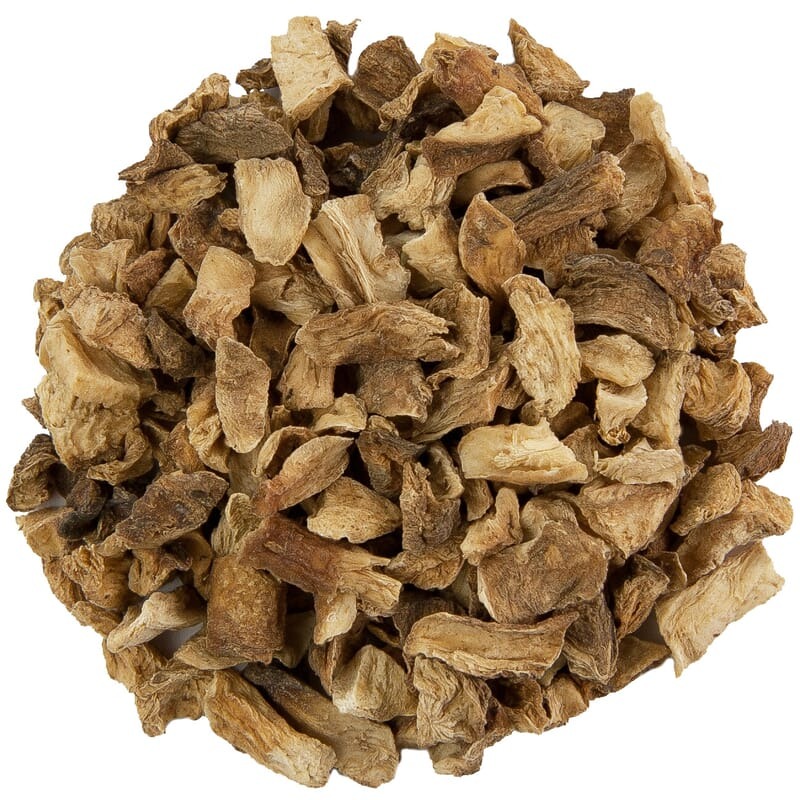
Chicory (Kasani)
Cichorium intybus L.
Bulk Chicory root (Cichorium intybus) from Punjab and Gujarat for inulin extraction, coffee-substitute roasting and Ayurvedic Kasani formulations.
- Botanical nameCichorium intybus L.
- Part usedRoot (primary trade grade), seed used separately in classical Ayurvedic formulations
- FamilyAsteraceae
- Also known asKasani, Kasni, Kasondi Jad, Hindiba
- Certificate of Analysis
- Samples available
- Export documents handled
Chicory is the dried taproot of Cichorium intybus, grown in India both as an industrial inulin crop and as the source of Kasani, a seed and root used in classical Ayurvedic liver-support formulations. Buyers should specify which use they need, since root destined for inulin extraction and root or seed destined for Ayurvedic use are graded differently.
Botanical identity and part used
Chicory belongs to the Asteraceae family, the same family as sunflower and lettuce, and grows as a hardy perennial with a long taproot and blue flowers. The industrial trade uses the root; classical Ayurvedic texts also reference Kasani beej, the seed.
Where it grows in India
Industrial or root chicory, grown specifically for its taproot, is cultivated in India for inulin extraction and as a coffee-substitute crop. The plant also grows wild in Andhra Pradesh and Punjab, and is cultivated in Punjab, Kerala, Odisha, Tamil Nadu, Himachal Pradesh, Maharashtra, Gujarat and Bihar.
Harvest and processing
Chicory is a winter-season crop, and roots are lifted once the taproot has matured, typically after four to six months of growth. Roots are washed, sliced and dried before further processing.
Two downstream paths follow. For the inulin and coffee-substitute trade, sliced root is roasted to varying degrees and either ground for coffee-substitute powder or processed by hot-water extraction into inulin syrup and spray-dried inulin powder. For the Ayurvedic trade, root is dried without roasting and cut or powdered for classical formulations.
Why buyers source it
Fresh chicory root carries a high inulin content, with dry root extract reported at up to roughly 98 per cent inulin after processing, making it a leading commercial source of this prebiotic fructan alongside other constituents such as sesquiterpene lactones (lactucin and lactucopicrin) and coumarins.
Demand comes from food and beverage manufacturers using roasted chicory as a coffee substitute or blend component, nutraceutical companies extracting inulin as a prebiotic fibre ingredient, and Ayurvedic manufacturers using unroasted root and seed in liver-support formulations.
Forms that trade
AV Biotech supplies dried chicory root as whole, cut and powder grades. Roasted root for coffee-substitute use and inulin-extraction-grade root are offered as separate specifications from unroasted Ayurvedic-grade material.
Industry applications of Chicory root
Chicory root serves three distinct manufacturing streams, and the roasting step is the key variable that separates them.
Coffee substitute and beverage manufacturing
Roasted and ground chicory root is a long-established coffee-substitute and coffee-extender ingredient, used both as a standalone beverage and blended into coffee products for body and a caramel-like note. Buyers in this segment specify roast degree and grind size.
Inulin and nutraceutical extraction
Root grown specifically for industrial inulin extraction is processed by hot-water diffusion into inulin syrup or spray-dried powder, used as a prebiotic fibre and sugar-reduction ingredient in food, beverage and supplement formulations. This grade is supplied unroasted and selected for high, consistent inulin content.
Ayurvedic and pharmaceutical manufacturing
Classical Ayurvedic units buy unroasted dried root and, less commonly, seed (Kasani beej) for liver-support and digestive formulations. Kasani is traditionally referenced for its yakrit-related (hepato-supportive) classification in Ayurvedic texts, and this grade is supplied without roasting to preserve the native constituent profile referenced in classical use.
Functional food and fibre-fortification
Bakery and functional-food brands add chicory-derived inulin powder to bread, dairy analogues and fibre-fortified snacks, drawing on its prebiotic-fibre and mild-sweetness functional properties.
Common product formats
- Whole dried chicory root
- Cut and sifted root for classical Ayurvedic decoctions
- Roasted, ground root for coffee-substitute blends
- Inulin-extraction-grade unroasted root
- Inulin syrup and spray-dried inulin powder
- Kasani seed for classical formulations
Traditional use and current research
Chicory, known in Ayurveda as Kasani, has a documented history across Ayurvedic, folk and European herbal traditions, most consistently associated with liver and digestive support. The following notes describe traditional positioning and published research directions, not established medical outcomes.
Liver-support traditional use
Kasani is classically referenced in Ayurvedic dravyaguna texts for its yakrit-related (liver-supportive) properties, and chicory root and seed preparations remain common components of traditional liver-tonic formulations in the Indian herbal trade.
Digestive support
Traditional use includes chicory root as a mild digestive bitter, and roasted chicory beverages are often associated with a gentler effect on digestion compared with regular coffee, though this remains a traditional positioning rather than a validated clinical claim.
Prebiotic fibre and gut-health research
Chicory-derived inulin is one of the most studied prebiotic fibres, and published research has examined its fermentation by gut bacteria and its role in fibre-fortified food formulation. Brands commonly cite this research base when using inulin in gut-health-positioned products.
Antioxidant and bitter-constituent research
Sesquiterpene lactones such as lactucin and lactucopicrin, along with coumarins including esculetin and scopoletin, are the constituents most referenced in phytochemical studies of chicory, though clinical evidence for specific health outcomes remains at an early stage.
What buyers should note on claims
Inulin content, and therefore any prebiotic-fibre claim, depends heavily on whether the root has been roasted, since roasting converts inulin into shorter-chain fructans and caramelised compounds. Claim substantiation should specify which processing grade, roasted or unroasted, the supporting data refers to.
This information is provided for educational and B2B product-sourcing purposes only. It is not medical advice and these statements have not been evaluated by any regulatory authority. Finished-product claims are the responsibility of the manufacturer.
| Botanical name | Cichorium intybus L., Fam. Asteraceae |
|---|---|
| Part used | Dried root (primary grade); seed (Kasani beej) supplied separately for classical use |
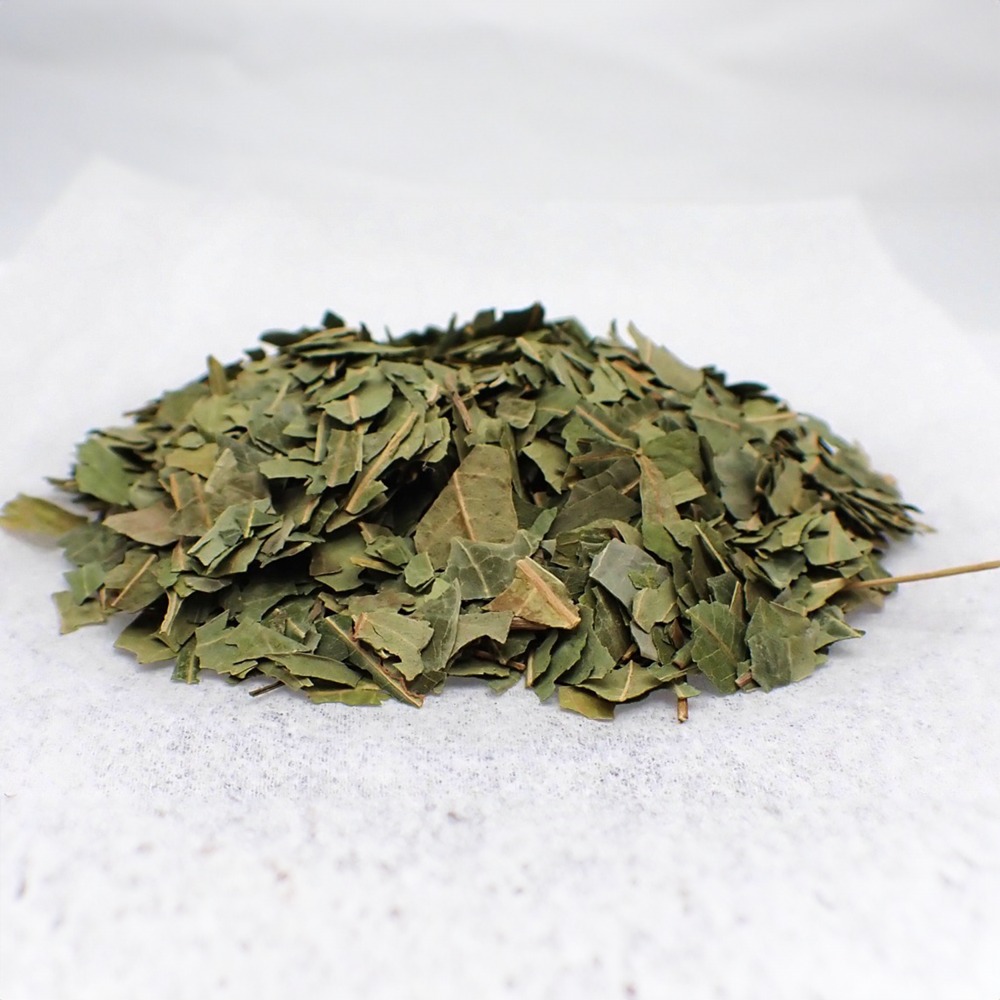
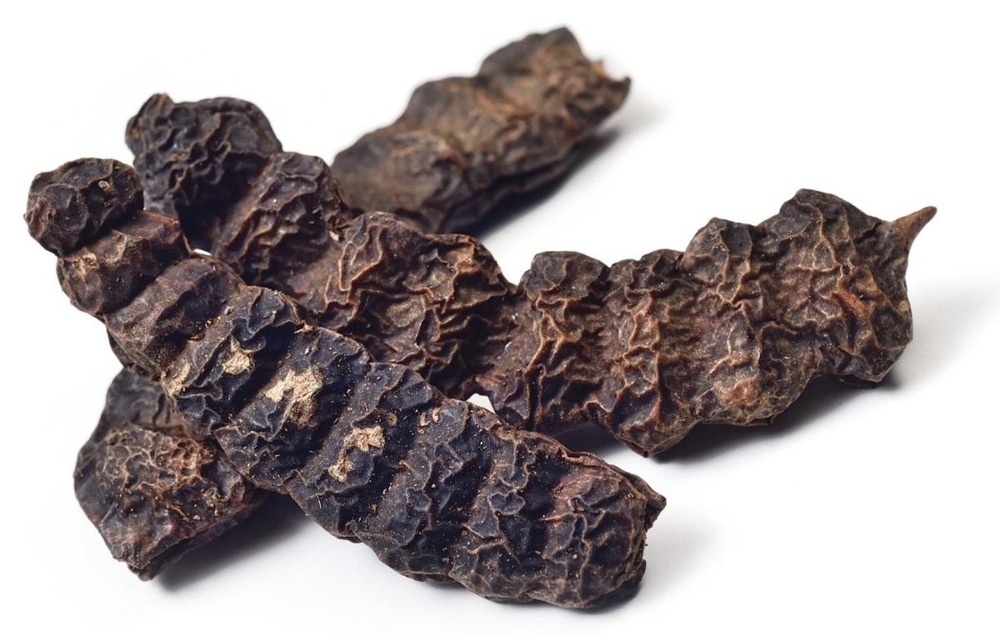
| Appearance | Whole root light brown to greyish-brown, woody exterior; unroasted powder pale beige, roasted powder dark brown |
| Active constituents | Inulin (fructan polysaccharide), reported up to approximately 98 per cent in processed dry-root extract; sesquiterpene lactones (lactucin, lactucopicrin) and coumarins (esculetin, scopoletin, chicoriin) in unroasted root, assay confirmed on the batch Certificate of Analysis |
| Moisture | Not more than 10 per cent, typical trade limit |
| Total ash | Not more than 8 per cent, typical trade limit |
| Acid-insoluble ash | Not more than 1.5 per cent, typical trade limit |
| Foreign matter | Not more than 2 per cent, typical trade limit |
| Particle size | Whole and cut root for decoctions and roasting; powder milled to 60 or 80 mesh on request |
| Pesticide/heavy-metal/microbial testing | Screened against EU MRL and AYUSH heavy-metal limits; microbial testing (TPC, yeast and mould, E. coli, Salmonella) available per lot |
| Packing | 25 kg HDPE or PP laminated bags with food-grade LDPE inner liner; 50 kg bags for whole root |
| Shelf life | 24 months for whole and cut root, 18 months for powder, in sealed original packing |
| Note | All values are typical or indicative. Actual lot values vary with origin, season and roasting status, and are confirmed on the batch Certificate of Analysis |
Values are typical and indicative. A lot-specific Certificate of Analysis is shared before dispatch.
What is your minimum order quantity for Chicory root?
500 kg for whole or cut dried root and 100 kg for root powder. Paid samples of 500 g to 1 kg are available for trial and formulation work, adjusted against your first commercial order.
Can you supply unroasted root for Ayurvedic use and roasted root for coffee substitute separately?
Yes. These are graded and processed differently, unroasted for Kasani/Ayurvedic formulations and roasted and ground for coffee-substitute use. Specify which grade you need, since roasting changes both the constituent profile and the intended application.
What documentation comes with an export shipment?
Every lot ships with a batch Certificate of Analysis covering moisture, ash, foreign matter and, where tested, inulin content. Export consignments also carry a phytosanitary certificate, Certificate of Origin, packing list and commercial invoice.
Can you customise roast degree, mesh size or inulin content?
Yes. We can supply light, medium or dark roast for coffee-substitute grade, mill powder to 60 or 80 mesh, and source root selected for a buyer-specified inulin content range for extraction use.
What is the typical lead time?
7 to 12 working days for stock grades from Jaipur. Organic-certified lots and large inulin-extraction contracts take 3 to 4 weeks. Chicory is a winter crop, so peak fresh-root availability follows the winter harvest.
Enquire about Chicory (Kasani)
No payment is taken here — this reaches our sourcing team directly.
Related products